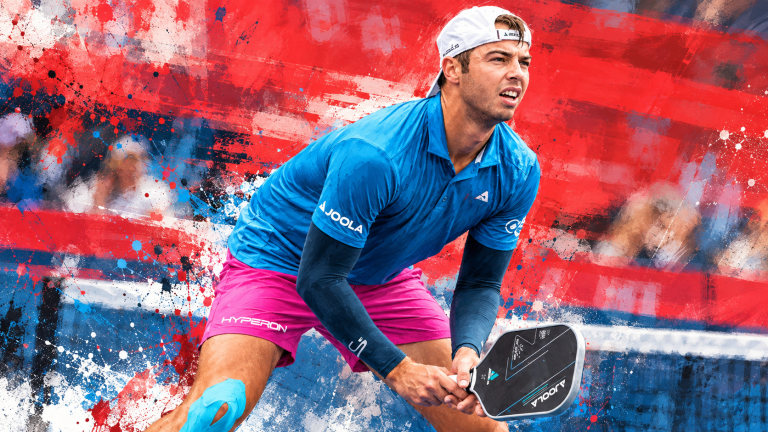
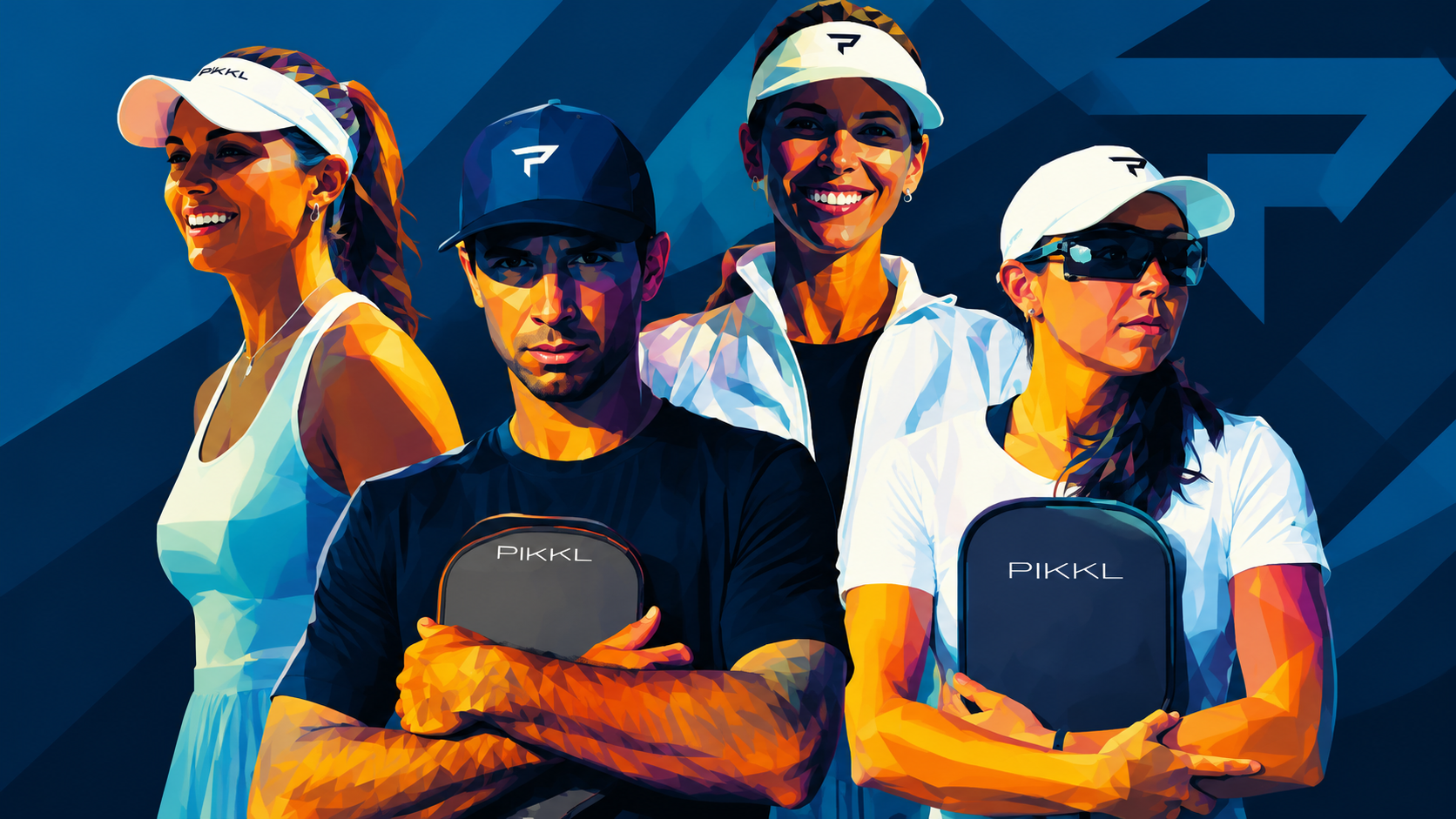
Paddletek Group’s acquisition of PIKKL is not simply another sponsorship announcement. It represents a deeper shift in the pickleball equipment market, where technology ownership, investment capital and elite athletes are becoming increasingly connected.
Key Takeaways
- Paddletek Group has acquired PIKKL while adding JW Johnson, Jorja Johnson, Julie Johnson and Hurricane Tyra Black to its athlete portfolio.
- The deal combines two of the most valuable assets in modern sports equipment: trusted technology and elite player endorsement.
- The move suggests the fragmented pickleball paddle market may be entering a consolidation phase, where ownership and innovation become as important as branding.
The Next Battle in Pickleball Is Not Being Played on Court
The most important paddle deal in pickleball may not be about a paddle.
It may be about who controls the technology behind it.
For years, the equipment market has operated through a familiar cycle.
A brand develops a product.
A professional player adopts it.
A sponsorship agreement follows.
The acquisition of PIKKL by Paddletek Group suggests the industry is beginning to move beyond that model.
This is not simply a company adding four high-profile athletes to its roster.
It is a company acquiring technology, expertise and a brand with existing credibility among elite competitors.
That distinction matters.
In established sports markets, the strongest equipment companies are rarely successful because they have the biggest sponsorship lists. They succeed because they understand performance better than their competitors.
The battle is not just for attention.
It is for trust.
Paddletek’s Strategic Move
Paddletek Group, backed by Thirty-5 Capital and managed by Ron Saslow, has acquired PIKKL, expanding its portfolio to four brands:
- Paddletek
- ProXr
- Yobow
- PIKKL
The acquisition is accompanied by the signing of some of pickleball’s most recognisable professionals, including JW Johnson, Jorja Johnson, Julie Johnson and Hurricane Tyra Black.
The structure of the agreement is particularly revealing.
The athletes will join Team Paddletek, but they will continue competing with PIKKL paddles.
That is not a small detail.
It suggests the priority is performance continuity rather than simply putting a new logo on a player’s equipment bag.
In a sport where equipment technology is constantly changing, convincing elite athletes that a product works is a significant competitive advantage.
Why This Is Bigger Than a Player Signing
The Johnson family’s equipment search had become one of the most closely followed stories in professional pickleball.
After separating from Franklin Pickleball earlier in 2026, JW Johnson and his family spent months testing different options before reaching their decision.
The process mattered because it revealed how professional players increasingly approach equipment.
The decision was not simply about sponsorship value.
It was about performance.
JW Johnson explained that the move was based on testing and technology rather than contracts or logos.
That philosophy reflects a wider change.
Elite athletes are no longer just the final stage of a marketing campaign.
They are part of the development process.
Their feedback shapes products. Their choices influence consumers. Their trust provides credibility that advertising cannot manufacture.
The Rise of the Athlete as Product Validator
The relationship between equipment companies and professional athletes has always existed.
Tennis players test racquets.
Golfers influence club development.
Cyclists help refine equipment.
But mature sports have established systems around that relationship.
Pickleball is still building those systems.
The best players are becoming increasingly important because the gap between equipment brands is narrowing.
A company cannot simply release a new paddle and expect attention.
Players want evidence.
They want testing.
They want confidence that the equipment can withstand the demands of elite competition.
That makes professional athletes valuable in a different way.
They are not only ambassadors.
They are proof.
Why Consolidation Was Always Likely
The pickleball paddle market has been one of the sport’s most crowded commercial spaces.
Hundreds of brands have entered the category, creating innovation but also confusion for consumers.
That creates an obvious challenge.
Which companies have the technology, credibility and resources to survive?
The answer in many mature sports industries has often been consolidation.
Golf equipment, tennis equipment and other specialist sporting markets have seen major brands acquire smaller innovators to strengthen their position.
The logic is simple.
Instead of building every capability internally, companies can acquire expertise that already exists.
The Paddletek-PIKKL deal follows that pattern.
It combines established brand recognition with specialist technology and elite player relationships.
What Thirty-5 Capital Sees in Pickleball
The involvement of Thirty-5 Capital is another important part of the story.
This is not a traditional equipment company making a single product decision.
It is an investment group building a broader sports portfolio.
That changes the strategic approach.
The question is no longer simply:
“How do we sell more paddles?”
It becomes:
“How do we build valuable assets in a sports ecosystem?”
That means brands, technology, players and distribution all become connected.
The acquisition of PIKKL suggests that serious investors increasingly see equipment as a strategic part of the wider pickleball economy.
What It Means for Players and Consumers
For professional players, consolidation could create fewer but stronger equipment partners.
That may lead to greater investment in research, testing and athlete support.
For consumers, the impact is more complicated.
A more concentrated market could create stronger products and clearer choices.
But it could also reduce the variety that has characterised pickleball’s early equipment boom.
The companies that succeed will likely be those that combine innovation with trust.
Because a paddle is not simply a piece of equipment.
For serious players, it is part of how they compete.
The Bigger Battle Is About Ownership
Pickleball’s equipment stories are usually told through product launches and player announcements.
The more important story may be happening behind the scenes.
Who owns the technology?
Who controls the strongest brands?
Who has the relationships with the athletes shaping the future of the sport?
The Paddletek Group acquisition of PIKKL does not answer those questions completely.
But it provides one of the clearest signals yet that the equipment market is moving into a new phase.
The paddle wars are no longer just about who can create the best product.
They are about who can build the strongest ecosystem around it.
And in the next stage of pickleball’s development, that may prove to be the ultimate competitive advantage.
Further Reading
- Latest pickleball news from around the world
- Tournament coverage and results
- Rankings and player profiles
- Regional pickleball coverage

Chris Beaumont
Founder and Editor-in-ChiefChris Beaumont is the founder and Editor-in-Chief of World Pickleball Magazine. Chris follows the global game closely, reporting on the latest news, developments, stories and tournaments from all five continents. He also hosts the World Pickleball Podcast, interviewing people at…
View All Articles →