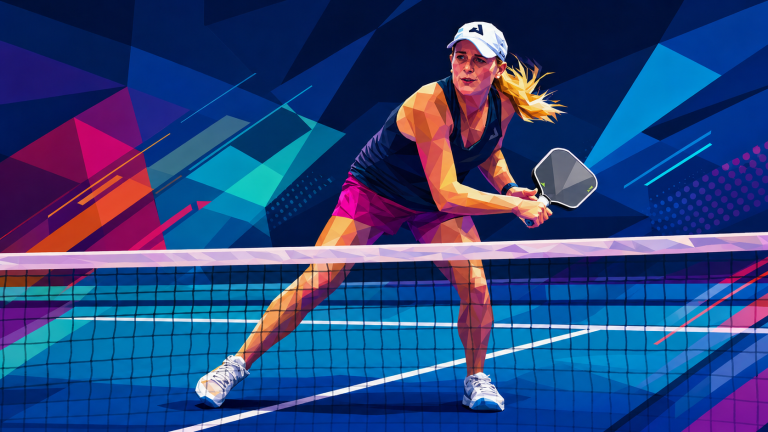
Brooke Buckner
Brooke Buckner Could Not Train Like a 24-Year-Old. So She Built a Smarter Singles Game
Brooke Buckner cannot train like a 24-year-old. Her rise to world No. 4 has depended on rebuilding her…

World pickleball rankings and player performance now sit at the centre of the sport’s global narrative. As professional competition expands across multiple tours and regions, the ability to track standings, results, and career progression has become essential for understanding how the competitive hierarchy is evolving. Rankings provide more than simple ordering. They reveal momentum, consistency, and the shifting balance of power within the international game. The modern professional landscape is defined by constant movement. Tournament results, partnership changes, surface transitions, and international travel all influence performance across a season. Players who succeed consistently across indoor and outdoor conditions, varied climates, and differing tactical environments rise to the top of the standings. Those fluctuations make rankings one of the clearest indicators of long-term excellence rather than short-term success. Player profiles add necessary context to the numbers. Career histories, playing styles, signature strengths, and developmental pathways help explain why certain athletes succeed at the highest level. Some competitors dominate through precision and control at the non-volley zone, while others rely on speed, power, or tactical variation. Understanding these characteristics allows followers of the sport to interpret results more deeply and anticipate how matchups may unfold. International growth is also reshaping the player landscape. While North America continues to produce many of the sport’s most recognisable champions, Europe and Asia are developing technically refined competitors capable of challenging established hierarchies. As regional tours strengthen and global ranking pathways expand, the diversity of elite players is increasing. This widening competitive base is a defining feature of pickleball’s transition from national pastime to global professional sport. Rankings systems themselves continue to evolve. Points allocation, tournament weighting, and qualification structures are being refined to reflect expanding calendars and cross-tour competition. Transparent and credible ranking models are essential for competitive integrity, seeding accuracy, and long-term player development. As governance structures mature, rankings will play an even greater role in shaping invitations, sponsorship opportunities, and professional pathways. Beyond the professional tier, player visibility is growing at every level of the game. Rising juniors, breakthrough regional competitors, and returning veterans all contribute to the depth of the competitive field. Tracking these stories alongside established stars provides a clearer picture of where future champions may emerge and how the sport’s talent pipeline is developing worldwide. This hub brings together global pickleball rankings, detailed player profiles, and ongoing performance tracking across the professional landscape. By combining statistical standing with career context, it offers a complete view of competitive pickleball today. As international competition intensifies and new contenders continue to rise, the story of pickleball will increasingly be told through its players.
Brooke Buckner cannot train like a 24-year-old. Her rise to world No. 4 has depended on rebuilding her…

Jack Foster proved his singles ceiling by winning the 2024 US Open. Now the APP contender faces the…

The latest European DUPR rankings reveal the players leading the continent, the biggest movers and what the data…
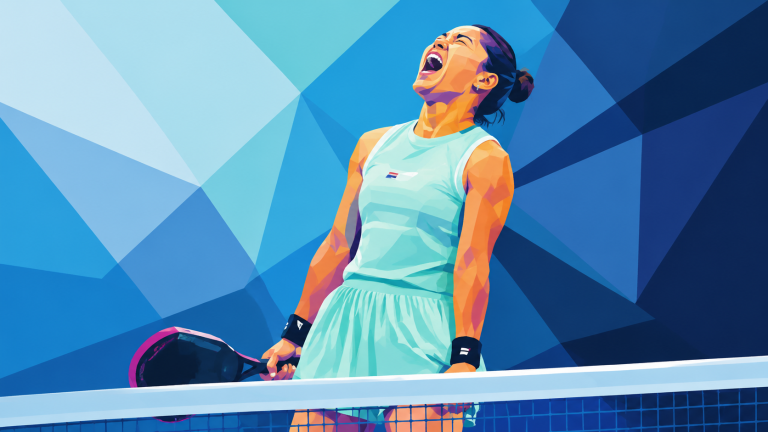
Former Japanese tennis star Rika Fujiwara has found a second sporting peak, winning back-to-back PPA Tour Asia singles…

Connor Garnett joins the World Pickleball Podcast to discuss leaving investment banking, building Twoey Nation, hitting with Novak…

Bengaluru Blasters are betting on youth, scouting and analytics rather than short-term recruitment, revealing a wider shift in…

Vivian Glozman says she felt relieved after her UPA contract ended, raising questions about burnout, repetition and player…

Jay Devilliers will return to the APP Tour in September 2026, giving the organisation more than another signing…
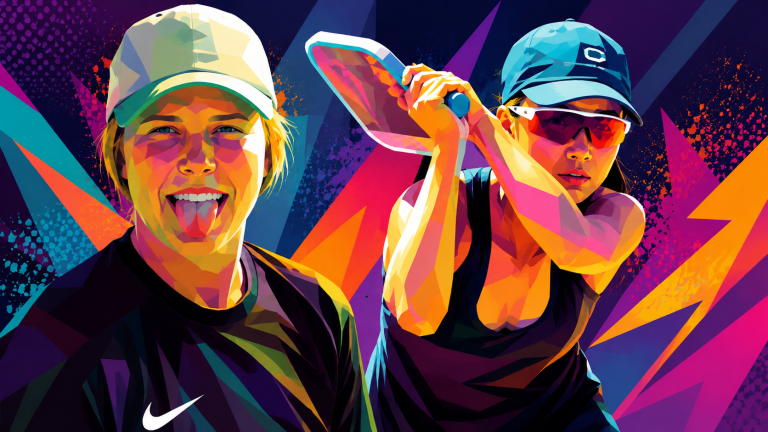
Kelly Goodnow makes PPA history, France prepares for a major pickleball weekend, India names junior squads and Danni-Elle…

Zane Ford’s PPA Tour Asia debut gives the Beijing Open a sharper question: how does a top-10 American…