
The Report
This is the strongest issue we’ve produced
```
World Pickleball Report sponsored by PKLBull
The game you don’t see is now deciding everythingThe May 2026 issue of World Pickleball Magazine is live.

This is the World Pickleball Report, brought to you by PKLBull.
This month, the magazine is bigger than a roundup.
For years, pickleball has been easy to explain.
The sport was growing.
More players. More tours. More courts. More investment.
That phase is ending.
Now the pressure is different.
Pressure on players trying to hold their level. Pressure on events trying to meet expectation. Pressure on systems trying to organise a sport moving faster than its foundations.
The May issue captures the sport at that exact moment.
Not the noise around pickleball.
The forces underneath it.
Why this issue matters
This is not a magazine about momentum.
It is a magazine about what survives it.
The margins are tightening. The systems are forming. The people shaping the sport are no longer just asking how big pickleball can get.
They are asking what it can hold.
That question runs through the whole issue, from Lee Whitwell’s view of the invisible game, to the English Open’s operational detail, to the global stories in Cuba, Japan, Africa, Brazil, Papua New Guinea and beyond.
Read the May 2026 magazine in full
Inside the May issue
🧠 The game beneath the game
Lee Whitwell opens the issue with a simple idea: matches are often decided before the shot is played.
Read Lee Whitwell: The Game You Don’t See
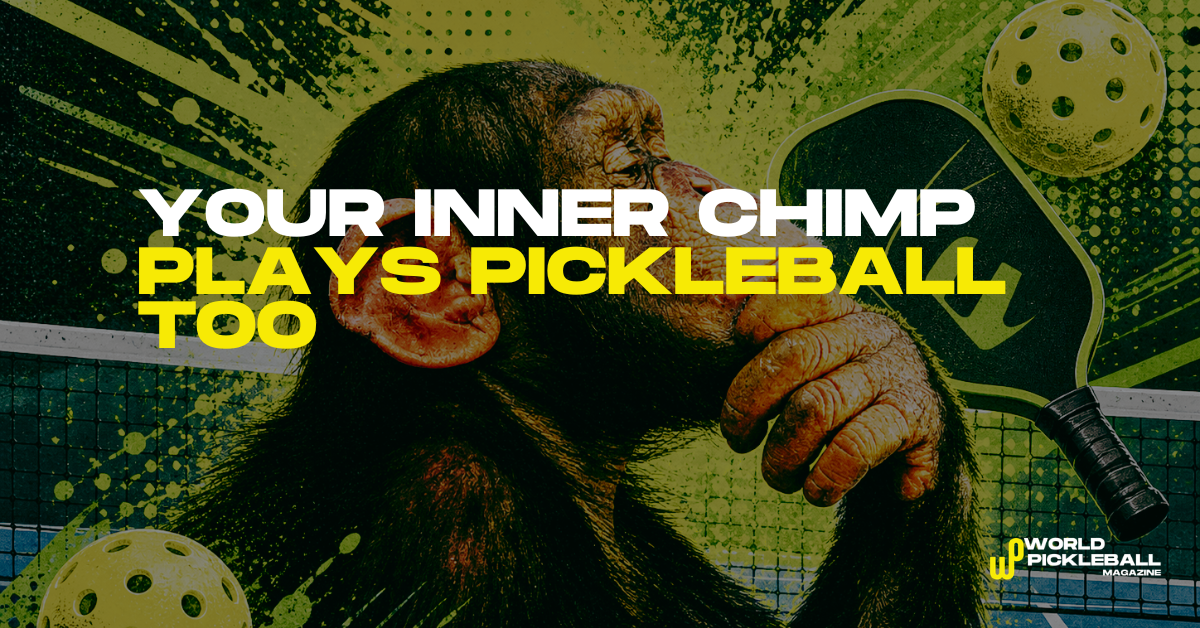
Your Inner Chimp Plays Pickleball Too
Drill Bits: Six Habits That Make You Tough to Beat
Referee’s Room: Inside the US Open

The people trying to shape what comes next
This issue is packed with people who are not just playing the sport, but helping define what it becomes.
Clare Frank takes pickleball from a doctor’s chair to a prison yard, and finds out why the sport keeps pulling people back.
Molly O’Donoghue loses the game she built her life around, then finds a new one that takes her to Europe and India.
Seymour Rifkind looks at the missing structure beneath global growth.
Louis Laville, Théo Platel, and Gustaf Geterud show three different versions of Europe’s next stage: professional, analytical, and structural.
Clare Frank: The Fire Chief Who Found Pickleball
Molly O’Donoghue: When the Game Is Taken Away
Seymour Rifkind: The Man Who Wrote His Goals in Cement
Louis Laville: Europe’s Pickleball Pioneer
Théo Platel: The Analytical Rise
Gustaf Geterud: Boardroom to Baseline
The systems underneath the sport
Pickleball is no longer just expanding. It is trying to organise itself.
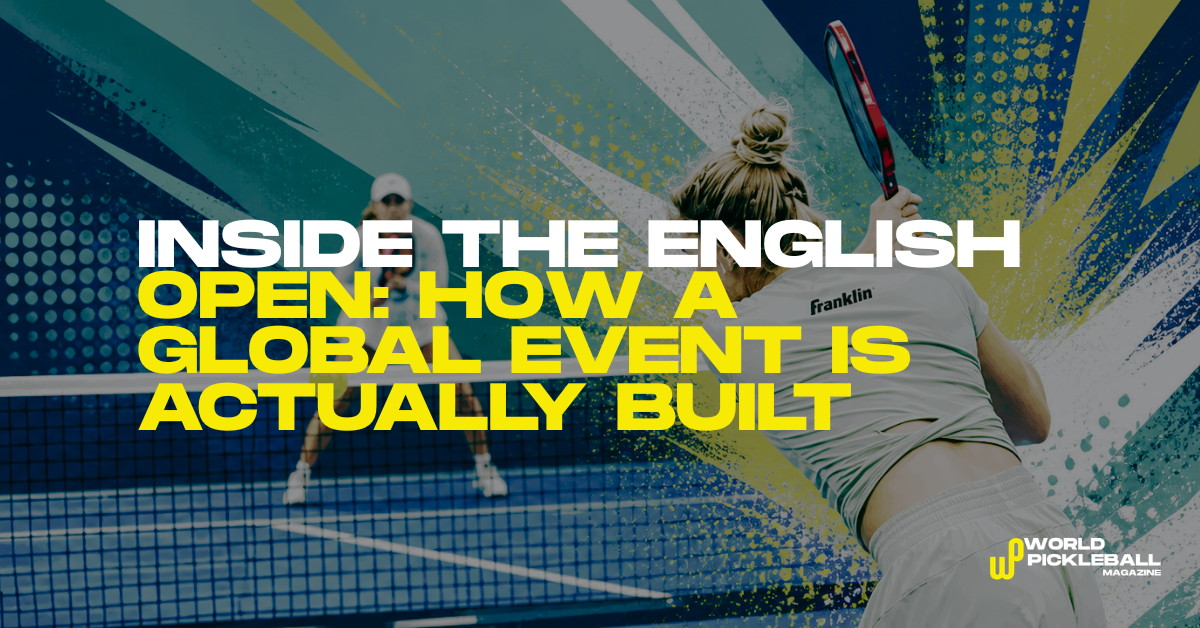
That shows up in the English Open, where scale depends on sequencing, not hype.
It shows up in schools, universities, senior leagues, governance, fandom, and MLP Australia’s reset.
Pickleball’s Governance Challenge
The Pickleball Paradox: Why the Sport Is Still Waiting for Fans
The UK’s First Collegiate Pickleball System
The Race to Build Pickleball’s Next Generation
MLP Australia: A Leaner League, A Bigger Stage
The global game starts to split
Around the world, the sport is no longer growing in the same direction.
Some places are building systems. Some are building access. Some are still proving the game can take root.
And all of it matters.
Read Around the World: April in Review
Japan: Kazuhiro Nomura and Burger King
Papua New Guinea: The Helicopter Pad Story
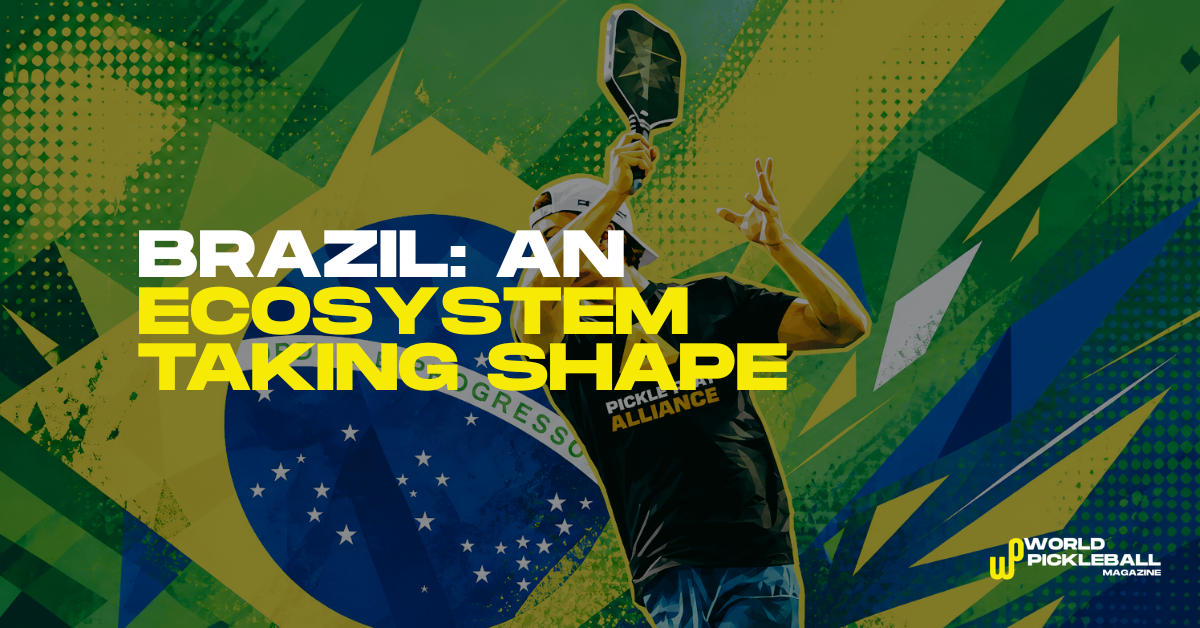
Brazil: An Ecosystem Taking Shape
Tournament coverage that actually matters
This is not just who won.
It is what the results reveal.
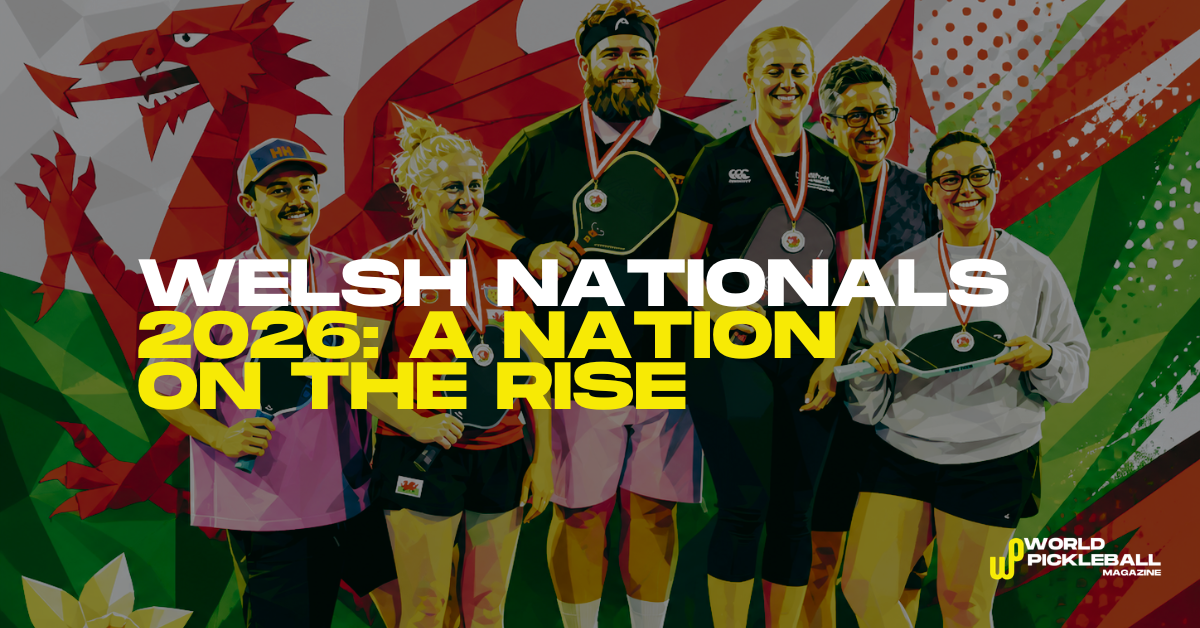
Pressure at the top of the PPA. Sacramento’s speed and format experiments on the APP. Australia tightening. Europe separating. Wales beginning to show deeper layers.
PPA: Pressure, Parity and Strain
APP: Speed, Systems and Sacramento
Global Tournament Roundup: Results That Actually Matter
Sponsored: PKLBull
Most paddles are priced like luxury products.
That does not mean they should be.
Good paddles. Dinky price. No bull.
One thing to watch
The sport is not trying to prove it can grow anymore.
It already did that.
Now the question is harder.
What survives when expectations arrive?
Because that is when structure matters. That is when pressure matters. That is when the game beneath the game finally becomes visible.
And that is where pickleball is now.