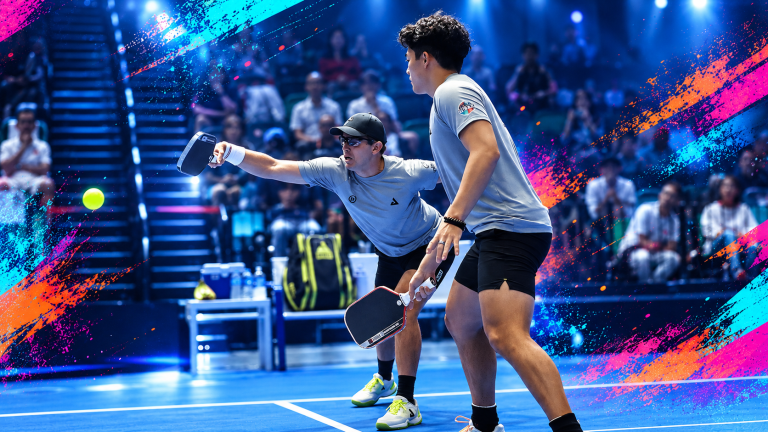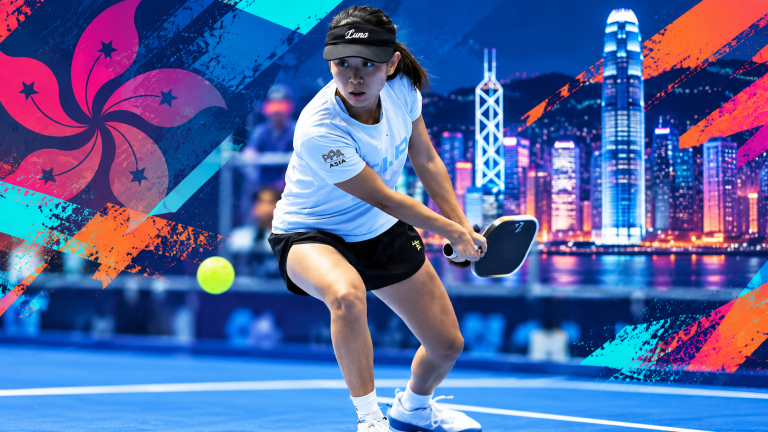
In the early 1890s, English railway administrator Albert Cherry helped introduce tennis to Caracas. Around 130 years later, British-born Leon Stango brought pickleball to Venezuela. Now the sport has official recognition, while the AVP continues work to formalise its domestic structure.
Key Takeaways
- A Banesco history of Venezuelan tennis credits English railway administrator Albert Cherry with helping introduce the sport in Caracas in the early 1890s.
- Leon Stango introduced pickleball in Venezuela in 2021. The AVP already serves as the national organisation and Venezuela is listed among the PFA’s member countries.
- The IND’s October 2026 decision recognised pickleball as a sporting speciality. The AVP’s club-registration process points to further domestic legal and organisational work.
Two British men helped bring racket sports to Venezuela more than a century apart.
Albert Cherry, an English railway administrator, is credited with helping establish tennis in Caracas in the early 1890s. In 2021, British-born Leon Stango introduced pickleball to Venezuela. The sports, settings and eras are different, but both stories begin with someone bringing a new game into the country and making space for others to play.
Pickleball’s story has now reached a new institutional point. On 21 October 2026, Venezuela’s National Sports Institute (IND) recognised the sport as a new sporting speciality. That decision gives pickleball an official place in the country’s organised sports structure. It also arrives after the Asociación Venezolana de Pickleball (AVP) has already built a national organisation and secured a place in the continental game.
The recognition is therefore part of a longer story: from an early tennis court beside a railway line, to a pickleball movement that now has clubs, players and international connections, and on to the work of formalising its domestic structure.
Albert Cherry and tennis in Caracas
A Banesco account of Venezuelan tennis history dates the sport’s arrival to the early 1890s and credits Albert Cherry, an Englishman who administered the Central Railway, with helping make it possible. The account links Cherry to the Venezuelan Central Railway Lawn Tennis Club.
The surviving references are a reminder to phrase this history carefully. Cherry is associated with the early development of tennis in Caracas, rather than being the sole inventor or definitive founder of the sport in Venezuela. A 1894 photograph of the Central Railway Lawn Tennis Club is cited in later accounts as an early record of tennis in the country.
The setting matters. The railway connected Caracas with the surrounding region, and its employees and expatriate community formed part of the social world in which the club took shape. The early court was not a national sports system. It was a starting point: a place where people could encounter a game that was new to the country.
More than 130 years later, the pattern has a modern echo. Stango introduced pickleball in Venezuela in 2021 with one court and four paddles, according to the Global Pickleball Federation. The setting and circumstances were entirely different, but again the first task was practical: get equipment, find somewhere to play and bring people into the game.
The comparison should not be stretched into a claim that the two sports followed the same path. Tennis became established through a very different social and sporting history. Pickleball’s development has taken place in a country with a much broader mix of communities, clubs and international connections. The shared thread is simpler and more human: both sports needed people willing to introduce them and build places where they could be played.
From one pickleball court to a national organisation
The AVP has grown from the small beginning described by the GPF into Venezuela’s national pickleball organisation. The GPF says the country now has more than 200 courts, thousands of players, certified coaches and international competition programmes. Those figures indicate the scale of development, although they are not an independently audited national register.
Other published estimates offer different snapshots. In 2024, Pickleball52 reported 140 courts and around 4,000 players. A 2025 report by El Diario described further expansion. WPM’s February 2026 profile reported more than 220 courts across 14 states. The figures come from different dates and sources, so they should not be treated as a single current count.
The institutional record is clearer. The GPF identifies Stango as president of the Asociación Venezolana de Pickleball. A January 2026 partnership announcement from the College Pickleball Cup described the AVP as the national governing body responsible for advancing the sport in Venezuela. The PFA lists Venezuela among its member countries.
The PFA is a continental body, not a South American-only federation. Its remit spans North, Central and South America and the Caribbean. The organisation says it works with member countries on rules, rankings, training and competition.
That gives Venezuela a national organisation and a continental connection. It is important to distinguish those roles from the IND’s decision. The IND recognised pickleball as a sporting speciality. It did not announce the creation of the AVP, which already exists, or set out a new decision recognising it as a national federation.
What Venezuela’s recognition means
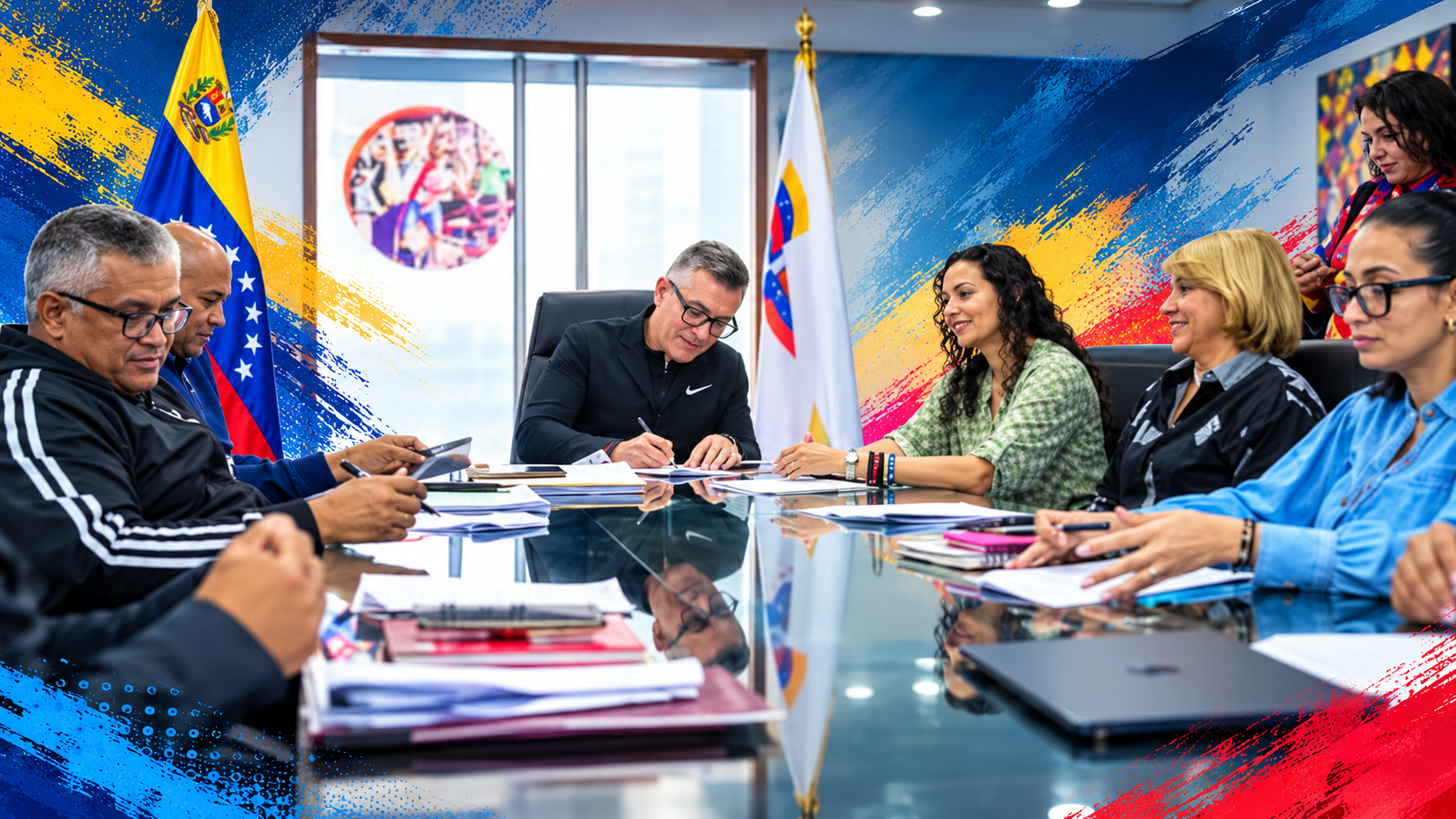
The IND’s decision gives pickleball a formal place within Venezuela’s organised sports framework. The Ministry of Sport said recognition would support the sport’s promotion and competitive development.
That matters because it gives organisers a clearer basis for working with the country’s official sports system. It may help the sport pursue wider competition and development. The ministry’s announcement, however, did not set out a federation timetable, publish a list of recognised pickleball clubs or confirm the recognition of state pickleball associations.
The same IND meeting included formal recognition of 26 state associations in other sports. Pickleball was identified separately as a new sporting speciality. Those are different decisions, and the public announcement does not say that the AVP’s own legal status changed at the meeting.
There is a further distinction between the AVP’s existing national role and the domestic legal steps needed to formalise its structure. Public sources do not describe that status consistently. The College Pickleball Cup calls the AVP a national governing body. The GPF refers to it as the Venezuelan Pickleball Association. An October report in El Sol de Margarita called it the “Federación Venezolana de Pickleball (AVP)”.
In September, though, the AVP announced a national club-registration process to meet requirements from the IND and Ministry of Sport. El Sol de Margarita reported that the association described this as part of the legal and organisational groundwork for the subsequent formation of the Federación Venezolana de Pickleball.
The most accurate account is that the AVP already leads and represents the sport nationally, while further domestic formalisation appears to be in progress. The IND’s recognition of pickleball as a sport is a separate milestone. Keeping those details distinct avoids suggesting that Venezuela has no national pickleball body.
The club-registration process
The AVP’s 4 September announcement called on clubs and groups across Venezuela to register and regularise their activity. The stated aim was to gather information from clubs in different states and municipalities and meet the requirements of the IND and the Ministry of Sport.
The registration process can give the AVP a clearer picture of the network it already serves. Which clubs are active? Where are they based? What local competitions and programmes are operating? How can clubs take part in decisions about the sport’s future? Those are practical questions for an organisation trying to connect a nationwide movement to a formal system.
A club register will not answer every governance question by itself. The next structure will need clear membership rules, a basis for representation and procedures that clubs can understand and trust. It will also need people willing to share responsibility for administration, competition and development.
That work is less visible than a tournament, but it affects players directly. A stable club network can support regular play and coaching. Regional organisations can help run local events and bring the views of clubs into national decisions. A recognised national structure can make competition, selection and representation more consistent.
The AVP is not beginning that work from nothing. It has already organised Venezuelan pickleball and connected the country to continental competition. The registration process is a step towards making the domestic framework match the scale of the sport and the responsibilities the organisation already carries.
For more on the people and institutions shaping the game across the region, read WPM’s South America coverage.
Continental reach and domestic responsibilities
Venezuela’s position within the PFA gives its players and organisers a route into the wider Americas. The continental federation coordinates competition and rankings and supports development among its member countries. Stango’s roles with both the AVP and PFA connect Venezuelan pickleball to that wider structure.
Continental membership and domestic recognition serve different purposes. The PFA provides a regional framework. The IND and Ministry of Sport govern recognition within Venezuela. A national body can have an established role internationally while still working through local legal and administrative requirements.
That is the useful context for the October decision. It confirms the sport’s recognition by Venezuela’s sports authorities. It does not replace the AVP or mark the beginning of the country’s international representation. It sits alongside work already under way to establish how the national organisation will be recognised and structured at home.
International competition still depends on resources
Venezuela’s recent experience on the international stage shows that organisational progress does not remove financial barriers. In August, El Sol de Margarita reported that the Venezuelan team would not attend the 2026 Pickleball World Cup in Da Nang, Vietnam. The report cited a lack of sponsorship and financial support, alongside the cost of taking a team from South America to south-east Asia.
The absence does not diminish the work of Venezuelan players or organisers. It does show that a large player base, a national association and continental membership cannot guarantee international participation. Air travel, accommodation, equipment and preparation all require money and planning.
A more formal domestic structure may help co-ordinate those responsibilities and clarify who leads the work. It cannot remove the cost of travel or guarantee the resources needed to compete abroad. For players, the value of recognition will depend in part on what follows: whether domestic competition is regular, pathways are clear and opportunities can be supported.
Two introductions, one continuing story
Stango has been a prominent figure in the public story of Venezuelan pickleball. The GPF credits him with helping develop coach education, referee training, school programmes, grassroots initiatives and adapted pickleball. WPM’s earlier coverage of the sport’s development in Venezuela described the growth and the ambitions beyond the country.
His work belongs to a wider effort. A national sport cannot depend on one person indefinitely. Its future depends on clubs, players, coaches and organisers having a meaningful role in the structure they are building. The September registration call is one way to bring more of those groups into the process.
Cherry’s tennis club and Stango’s first pickleball court are separated by more than a century and by very different circumstances. They are useful markers in a longer history of how sports take root: someone introduces the game, people gather around it, and institutions eventually begin to form.
Venezuela’s pickleball community has moved well beyond its first court. It has a national organisation, international connections and now official recognition of the sport by the IND. The next stage is to make the domestic structure as clear and durable as the movement it is meant to serve.
Keep following pickleball’s development across the Americas with WPM’s South America coverage.
Further Reading
- Banesco: Venezuelan tennis and the history of Albert Cherry
- WPM’s earlier profile of pickleball’s development in Venezuela
- When Venezuela Needed Help, Pickleball’s Community Stepped Forward
- Venezuela’s Ministry of Sport: IND recognises pickleball
- AVP begins national club-registration process

Chris Beaumont
Founder and Editor-in-ChiefChris Beaumont is the founder and Editor-in-Chief of World Pickleball Magazine. Chris follows the global game closely, reporting on the latest news, developments, stories and tournaments from all five continents. He also hosts the World Pickleball Podcast, interviewing people at…
View All Articles →