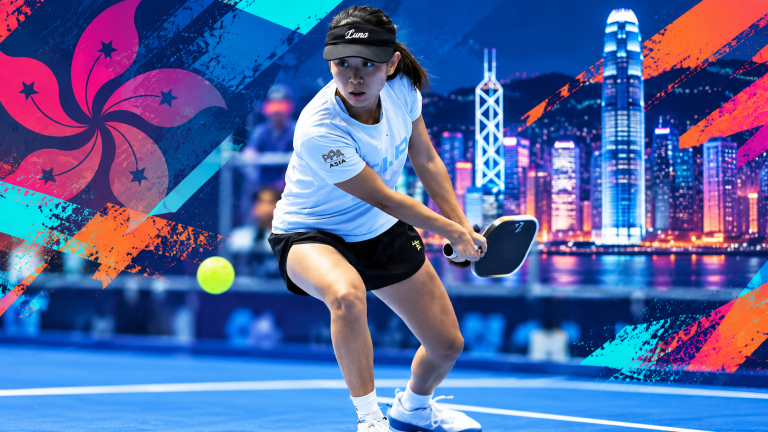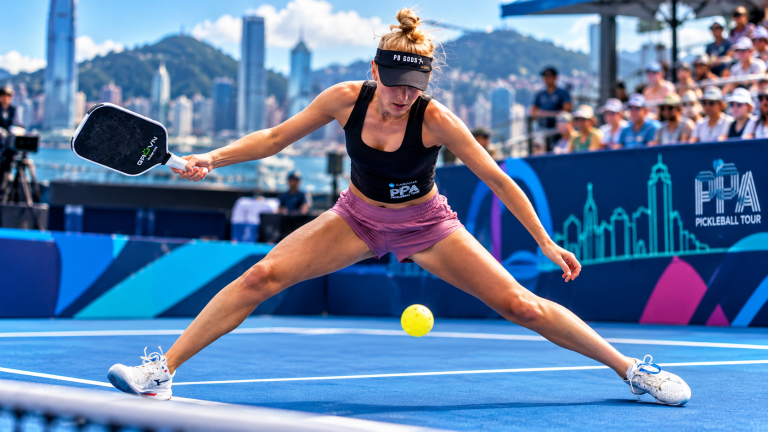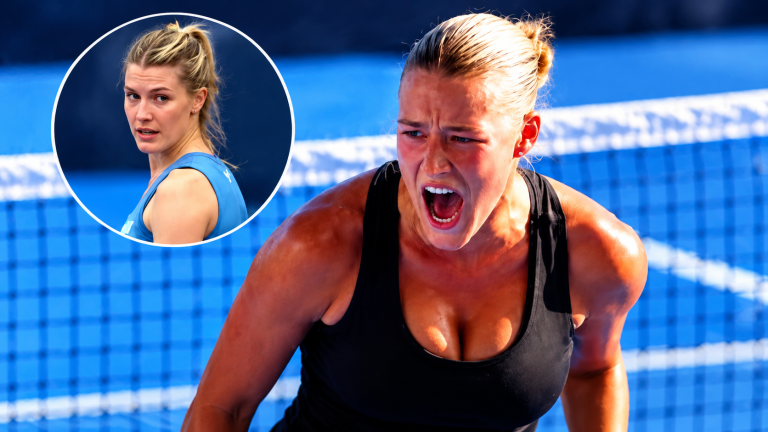
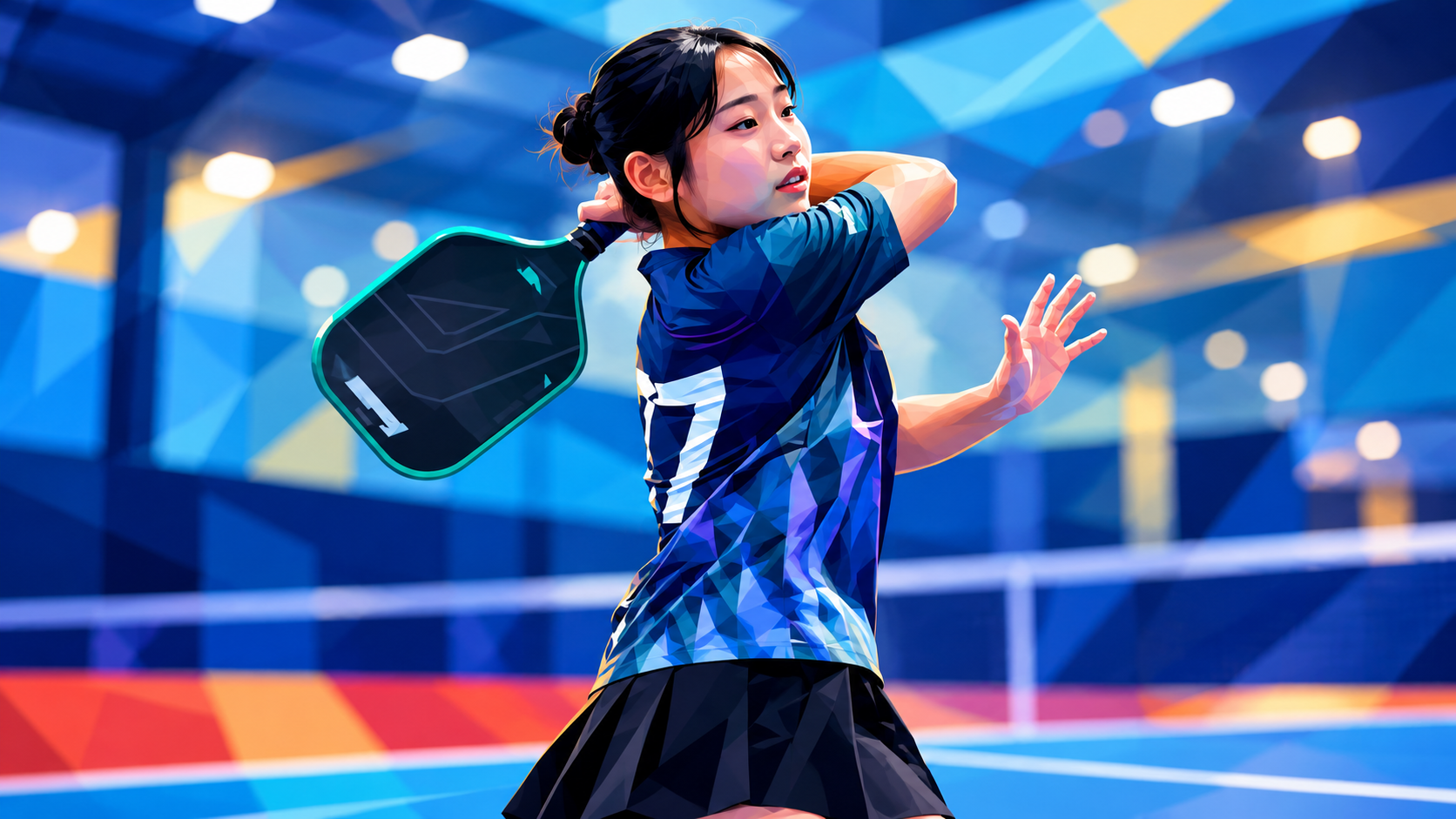
Tokyo’s Burger King Cup brought professional players, corporate teams and grassroots competitors together for four days of team pickleball. Beyond the titles and prize money, the tournament showed how shared competition can bring Japan’s playing communities together.
Key Takeaways
- The second PJL Burger King Cup took place from 11–14 October 2026 at Tokyo’s Ariake Tennis Forest, bringing six categories of team competition to 24 indoor courts.
- Four-player teams contested men’s, women’s and mixed doubles, with the professional division using a singles DreamBreaker to settle tied encounters.
- Alongside the tournament, Japan’s emerging PX League is creating another opportunity for team competition, connecting selected players with corporate-owned professional teams.
At a team pickleball tournament, finishing your own match does not mean your work is over. Another pairing takes the court, the score carries forward, and your attention shifts from playing to supporting the people whose result will become yours. That shared investment gave the second PJL Burger King Cup a character that extended beyond its professional final.
Held from 11–14 October at Tokyo’s Ariake Tennis Forest, the tournament brought corporate teams, beginners, intermediate players, advanced competitors, players aged 50 and over, and professionals into the same four-day programme.
According to figures reported by Pickleball Japan and supplied for this article, the competition attracted 266 team entries and 1,076 participant entries across its six categories. Players from Japan, mainland China, Hong Kong, Taiwan, Thailand and the United States competed in the advanced and professional divisions.
The range was substantial, but the connecting idea was straightforward: whatever their experience or ambition, players arrived with teammates and pursued a result together.
For a sport whose appeal often begins with the social experience of playing, that feels like a natural development. People discover pickleball at local sessions, get to know regular partners and gradually develop the confidence to enter competitions.
A team event gives those relationships somewhere to go, turning the familiarity of club play into a collective competitive challenge.
A Different Kind of Competition
In the general and professional categories, four-person teams comprised two men and two women. Encounters included men’s doubles, women’s doubles and two mixed doubles matches, requiring teams to find strength across different partnerships.
A strong pair could make an important contribution, but the overall result depended on what happened across the encounter.
The published professional format added a singles DreamBreaker when teams finished level. Played to 21 points using rally scoring, with players rotating every four points, it placed each competitor briefly at the centre of a result that everyone would share.
Doubles partnerships remained important, but the format asked players to think about the whole team.
That is a different experience from entering a tournament with one partner. There are more combinations to consider, more results to follow and more people with a direct stake in every match.
It also creates room for contributions that are difficult to capture in a final score: understanding a teammate’s game, recognising which partnerships work and helping someone recover their confidence before returning to court.
Under the official competition regulations, the amateur and professional divisions used four-match team encounters, while corporate competition followed a separate format.
Six Categories, Different Reasons to Play
The Cup’s categories allowed that experience to take different forms.
Corporate teams represented their workplaces, while beginners and intermediate players competed among others at a broadly comparable level.
Advanced and advanced 50+ entrants had their own titles to pursue, giving the event several competitive stories rather than a single hierarchy leading towards the professionals.
In the results reported to World Pickleball Magazine, Pitamee won the corporate category, while Pickleball Nex finished first among the intermediate teams. Meow Fanmanli won the advanced competition, and Satotetsu Pickles took the advanced 50+ title.
Each result belonged to its own contest, with its own challenges and reasons to matter to the players involved.
The reported professional title went to The Pickle Slices, ahead of The Hokkaido Soft Servers and third-placed Pacific White.
International participation gave the stronger divisions an additional dimension, bringing players with different competitive backgrounds into the same draw.
For Japanese players, competing against visiting opponents offers something that domestic results alone cannot provide. Different styles, unfamiliar partnerships and new tactical problems can broaden the experience of a tournament.
For overseas entrants, the Cup offered an introduction to a Japanese pickleball community that reaches well beyond its leading professionals.
From the Burger King Cup to the PX League
The professional category also connected the event with Sansan’s PX League, which scheduled a special appearance at the Cup on 14 October.
The league’s six corporate-owned teams and 36 selected players belong to a longer programme, with the first regular round scheduled for 22 November and championship playoffs on 4 April 2027.
The Cup’s professional winners therefore claimed a tournament title, rather than the PX League season championship.
The distinction matters, although the connection itself is interesting.
Japan is developing opportunities for players to compete both at large gatherings such as the Cup and through a continuing team structure.
For those trying to improve, having another competitive date ahead can give training a clearer purpose and help partnerships develop over time.
The two competitions also operate differently. The Burger King Cup’s general and professional divisions used four-person teams, while the PX League has six-player squads featuring three men and three women. Its regular-season encounters include singles as well as doubles.
As Fabrizio explored previously in Japan Is Building Pickleball Through Companies, Not Just Courts, corporate involvement is becoming an increasingly visible part of how competitive pickleball is organised in Japan.
More Than a Professional Final
Commercial support was visible beyond the competition, too.
Burger King accompanied its sponsorship with pickleball-themed burgers and paddle keyrings, putting the sport in front of customers who might never have encountered a tournament announcement.
Alongside that broader promotion, the Cup advertised more than ¥10 million in combined prize money and prizes.
Yet the most useful way to understand the event is through its playing community.
Much of the audience inside the venue consisted of competitors, and the atmosphere was rooted in participation. The people following a match were often there because they, too, had a place in the tournament.
That gives the Burger King Cup a particular significance at this stage of Japanese pickleball.
It offered an occasion for communities built through regular local play to meet on a larger stage, alongside international opponents and professional competitors.
They came with different expectations, but the team format gave them something in common: even after their own match ended, there was still someone to play for.
Explore more international pickleball: Follow World Pickleball Magazine for independent reporting on tournaments, players and the communities shaping the sport around the world.
Stay connected: Read our latest reporting at World Pickleball Magazine and share this feature with your local pickleball club or teammates.
Further Reading
- Japan Is Building Pickleball Through Companies, Not Just Courts
- PJL Burger King Cup 2026: Official Tournament Information
- Sansan Pickleball and the PX League

Fabrizio Lavezzari
Founder and Editor-in-ChiefFabrizio Lavezzari is a contributor to World Pickleball Magazine.
View All Articles →