
organisations rarely make well. They became recognisable partly because they did not present themselves as distant authorities on how pickleball should be played or discussed. The name gave the relationship a format.
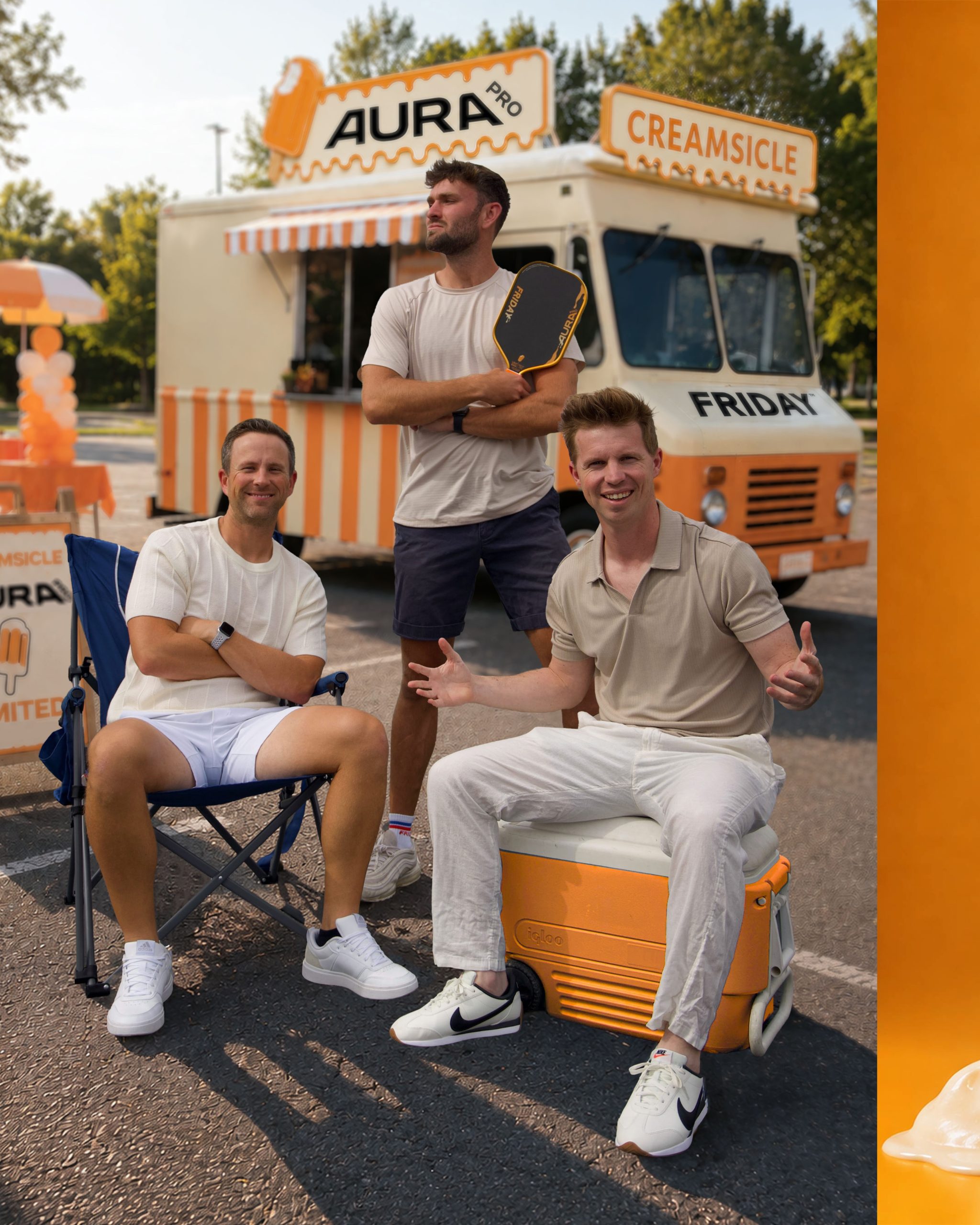
Two friends could compete, joke, travel and involve other players without every piece of content requiring an official purpose. Friday and The PickleBros are natural companions. One offers product and an international brand.
The other offers media, local recognition and two people who already understand the joke. Osben says each can help the other grow. That is commercially neat.
Culturally, it creates a useful pressure. Pickleball’s best informal voices often become businesses. The funny player becomes a creator.
The creator gains partners. The partners need products to appear, messages to land and content to perform. What began as two people messing around on court acquires a calendar.
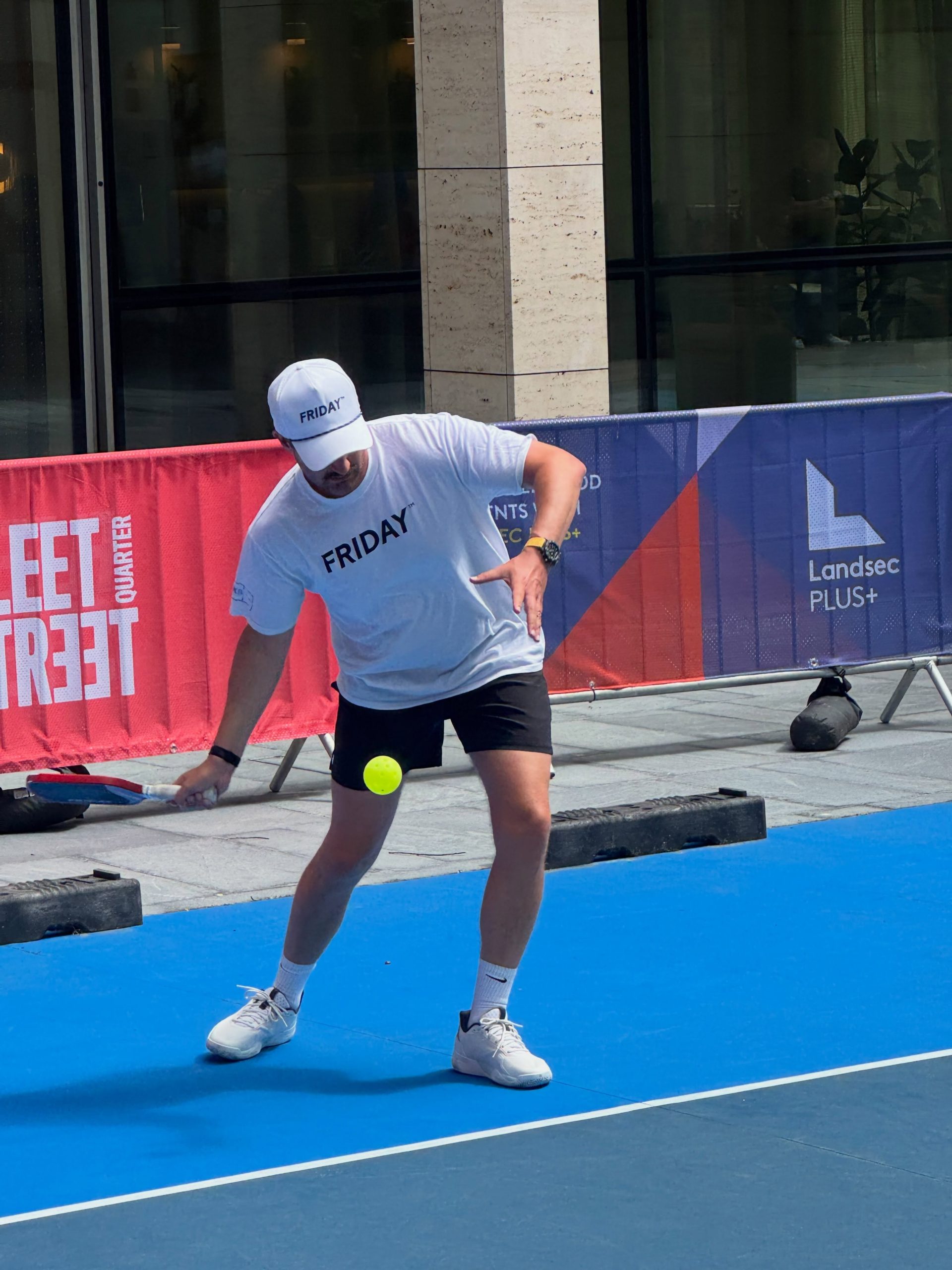
The audience usually notices when the balance changes. Friday’s attraction depends upon appearing less calculated than other paddle brands. The PickleBros depend upon sounding like themselves.
Their collaboration will work if the commercial activity funds and enlarges the fun already present. It will weaken both if the fun starts to resemble an advertising requirement. Osben does not appear excessively worried about this distinction.
His conversation wanders towards tour vans, cake, Burger King and the possibility of losing the van in a bet over whether he can secure a fast-food collaboration before the end of the year. It is not how most distributors introduce a market strategy. That may be the point.
Friday does not need Osben to become a polished brand representative. It needs him to remain somebody who might accidentally gamble away an important business asset during a podcast. The joke says more about his suitability for the role than a conventional commercial résum é would.
Osben did not choose Friday after deciding to become a distributor and searching for stock. He chose it because the brand’s sense of hum our already resem bled his own. The product entered through recognition.
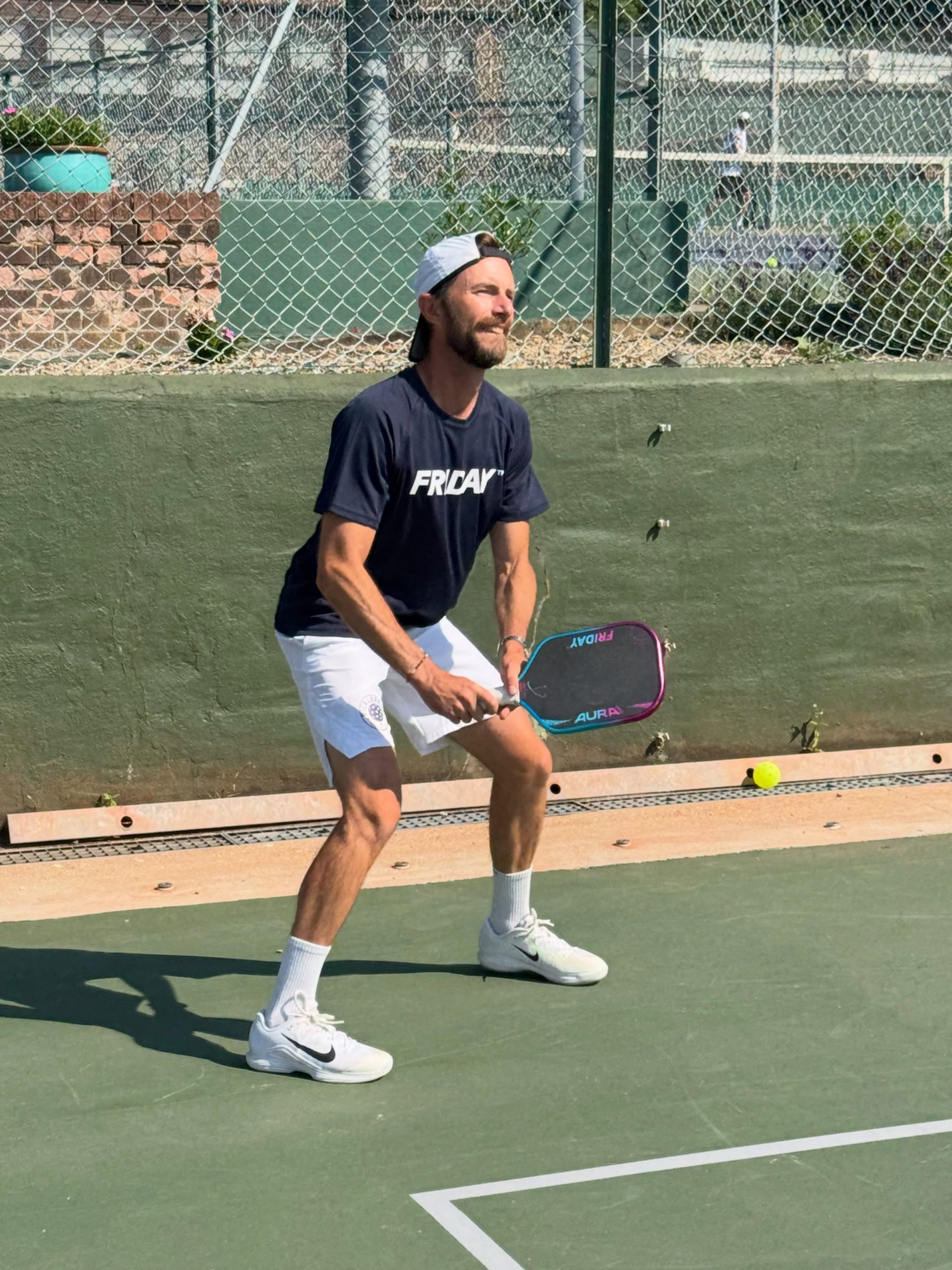
What follows will depend upon whether that recognition survives the work of turning it into a business. Close Enough to Talk The United States has dem onstrated that a recreational racket sport can occupy a large portion of somebody’s identity. People travel for it, dress for it, organise holidays around it and form friendships which leave the court.
If you're following how the global game is shifting week by week, the World Pickleball Report breaks this down every day in our morning briefing.
Venues treat play as part of a broader evening. Brands use hum our and personality rather than speaking only about performance. Britain can learn from this.
It does not need to copy the volume. The most promising British pickleball culture may combine American confidence with local irreverence. It can become more ambitious about its venues and events while remaining suspicious of grandeur.
It can treat clothing and presentation as part of the pleasure without demanding that everybody arrive dressed for a campaign. It can support elite play and still find the person taking a recreational rating too seriously extremely funny. Most importantly, it can resist the idea that professionalisation requires uniformity.
As standards rise, sports tend to smooth themselves out. Players receive media training. Brands repeat the same claims.
Events adopt the same lighting, language and music. Everybody wants to look established, which often means looking like everybody else. Pickleball’s unfinished quality is currently an advantage.
Its British communities are still strange indifferent ways. A session may contain a former tennis player, somebody returning to activity after illness, a competitive athlete discovering a new route and a person who came because their friend prom ised there would be food afterwards. Ages, backgrounds and ambitions coexist at close range.
The court forces interaction. “You don’t really talk to your opponents in tennis,” Osben says. “In pickleball, it’s interactive.
You’ve got stimulation going on next to you. The guy is just in front of you. You’re talking to your partner.
It’s quick points. “It is such a complete sport socially and in skill level. It’s obvious why people come back week after week.”
For a clearer view of where the sport is heading each week, you can join the World Pickleball Report here.

Chris Beaumont
Founder and Editor-in-ChiefChris Beaumont is the founder and Editor-in-Chief of World Pickleball Magazine. Chris follows the global game closely, reporting on the latest news, developments, stories and tournaments from all five continents. He also hosts the World Pickleball Podcast, interviewing people at…
View All Articles →