
The Report
A Paddle Ban, A Demolition And A Warning
World Pickleball Report
Pickleball’s Accountability Era Has ArrivedToday’s stories are not about attention. They are about what happens when the sport has to prove its systems can match its ambition.
This is the World Pickleball Report.
There are days when pickleball feels like it is moving everywhere at once.
Today is one of them.
A paddle loses certification. Two global federations continue circling the same question. A 22-court venue in Hanoi disappears. St. Louis starts looking like the future of MLP. Angelina Jolie turns up at a charity event, but the story is not really about celebrity.
The common thread is responsibility. Pickleball now has enough attention. The harder test is whether its equipment rules, governance, infrastructure, teams and culture can hold up under that attention.
That is also why the June magazine matters today. The issue gives the bigger version of this same story: a sport being tested by its own seriousness.
Lead Feature: When Approval Isn’t The End Of The Story
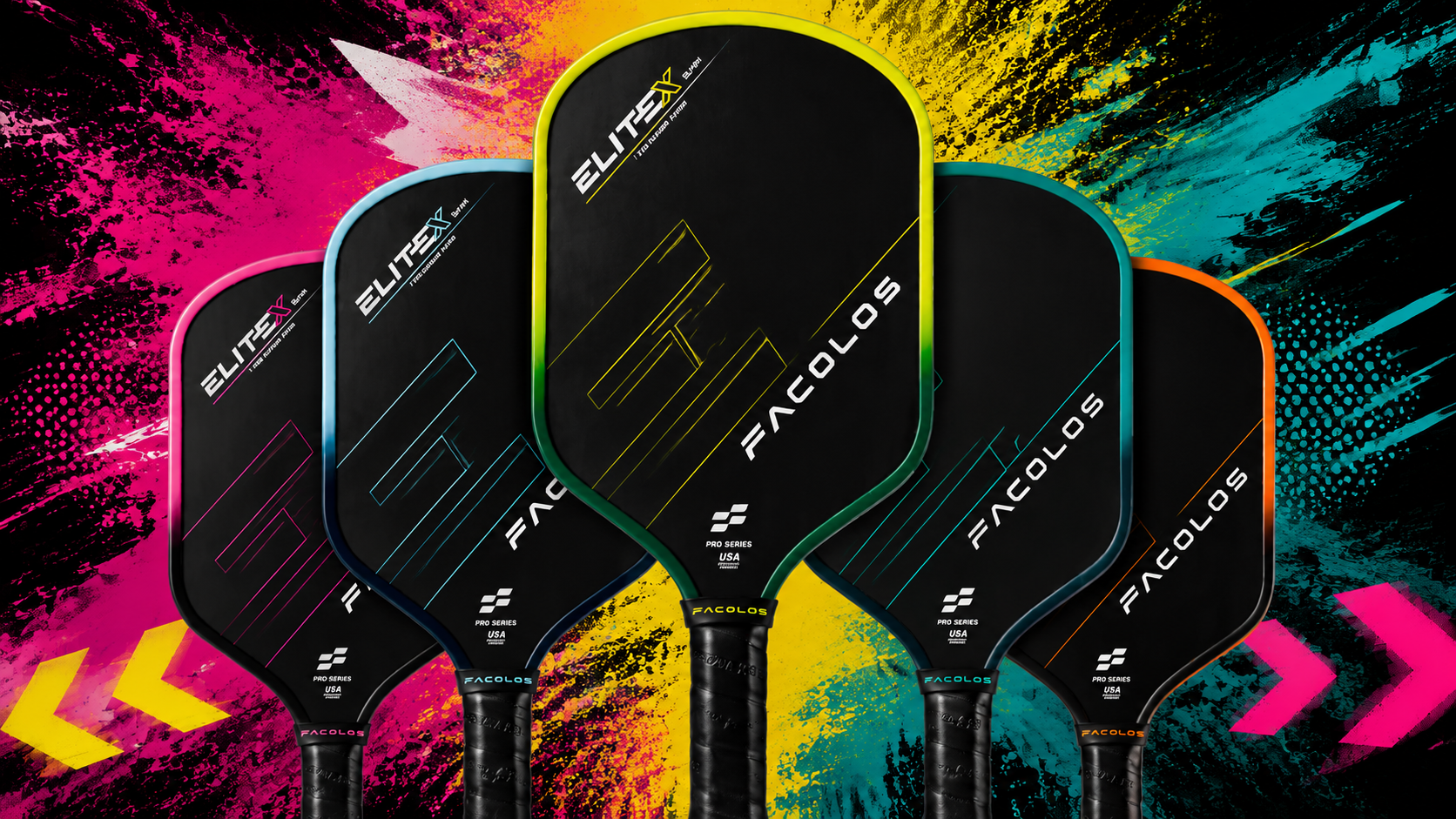
The Facolos story is not just another paddle controversy.
USA Pickleball’s removal of the Facolos Pro Series Elite X from its approved list matters because the issue extends beyond surface roughness. The more serious question is whether the paddle sold to players was the same paddle originally approved by regulators.
That changes the story. This is no longer only about spin. It is about trust, batch consistency, post-certification scrutiny and whether pickleball’s equipment rules are ready for a more commercial, more international paddle market.
What matters: Pickleball may be moving from an innovation phase into an enforcement phase. That is a major shift for players, brands and regulators.
The Reset: June’s Magazine Saw This Coming
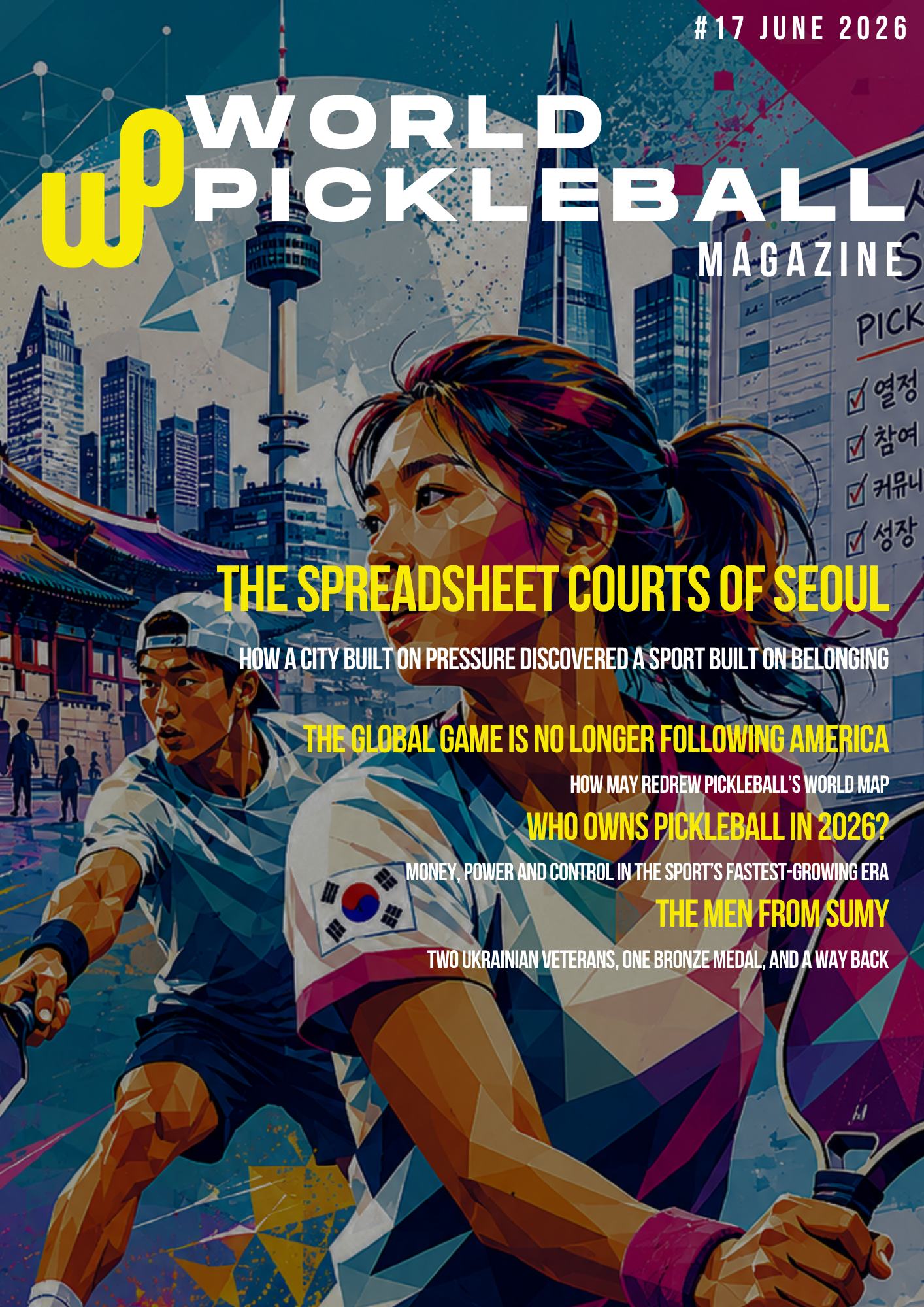
One reason today’s lead story lands so strongly is that the June issue has already been asking the same kind of question from different angles.
The Lab: Who Controls The Future Of Pickleball? looks at technology, data and authority. Pickleball’s Hot Paddle Problem Is Reaching Recreational Courts explains why equipment debates are no longer only a pro-level concern. The Business: Who Owns Pickleball In 2026? examines the people and companies gathering influence around the sport.
Read together, they make today’s Facolos story feel less like an isolated controversy and more like part of a larger pattern.
What matters: The June issue is not simply a magazine archive. It is the deeper context for the stories now breaking day by day.

Pressure Points: Who Speaks For Pickleball?
Kim Janice Wagner’s election as World Pickleball Federation president would be a straightforward governance story in a settled sport.
Pickleball is not yet settled.
The WPF and GPF are both pursuing versions of global leadership, while merger or alignment discussions remain part of the background. That matters because Olympic ambition, international championships, player eligibility and national federation recognition all depend on something less glamorous than participation numbers: administrative clarity.
What matters: Before pickleball can convince the wider sporting world it deserves recognition, it may first need to convince itself who represents it.
Beyond The Score: Vietnam’s First Big Infrastructure Warning
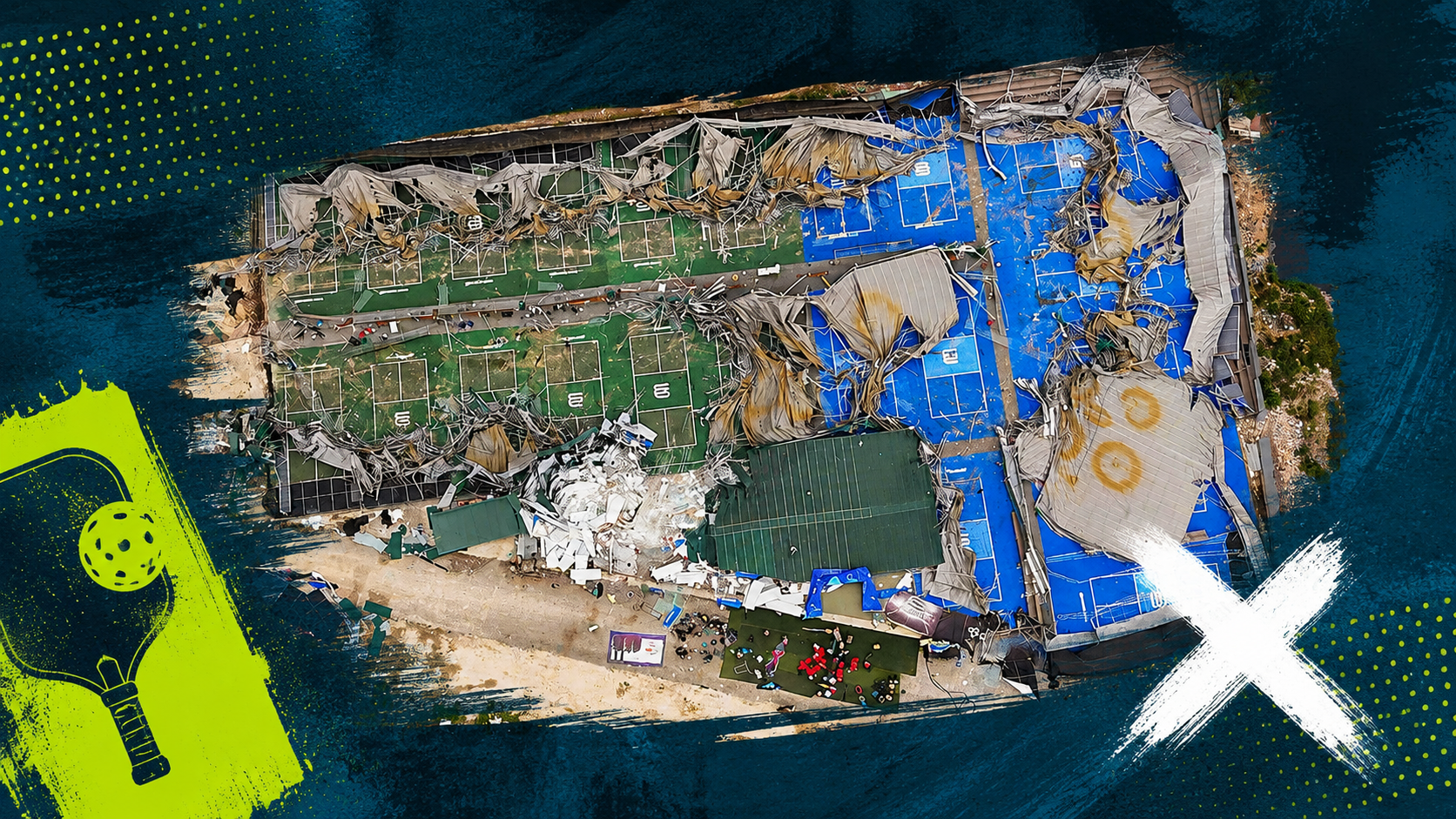
In Hanoi, Sportbase Arena opened with 22 courts and the confidence of a market moving quickly.
Three months later, it was gone.
The demolition of one of Vietnam’s largest pickleball facilities is not a sign that demand has weakened. It is almost the opposite. Courts were built because operators believed players would fill them. The problem was compliance, land use and the gap between enthusiasm and legal foundation.
What matters: Demand built the courts. Governance brought them down. Every emerging pickleball market should be paying attention.
One Thing To Watch: MLP’s Depth Era
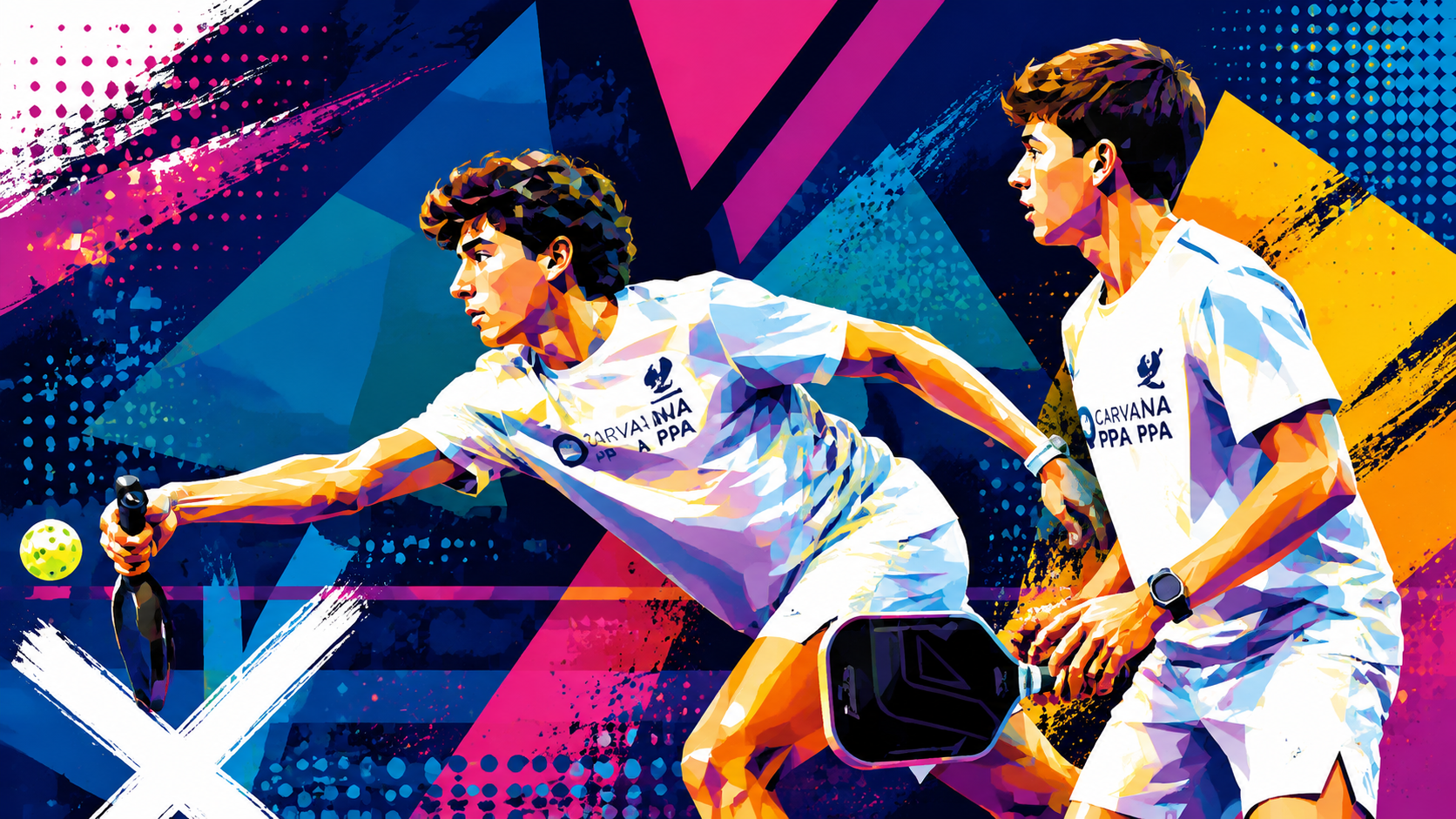
The St. Louis Shock beat the Los Angeles Mad Drops 3-0 to win MLP St. Louis, but the result is only the front page of the story.
The more interesting lesson is roster construction. St. Louis have gone third in Dallas, second in Columbus and first in St. Louis. Anna Bright and Hayden Patriquin finished the event 10-0. The Shock are starting to look less like a collection of talent and more like a complete team with very few comfortable places for opponents to attack.
What matters: MLP’s early years were often star-driven. The next phase may belong to the franchises with the fewest weaknesses.
Read the MLP St. Louis analysis
Culture: The Celebrity Was Not The Point
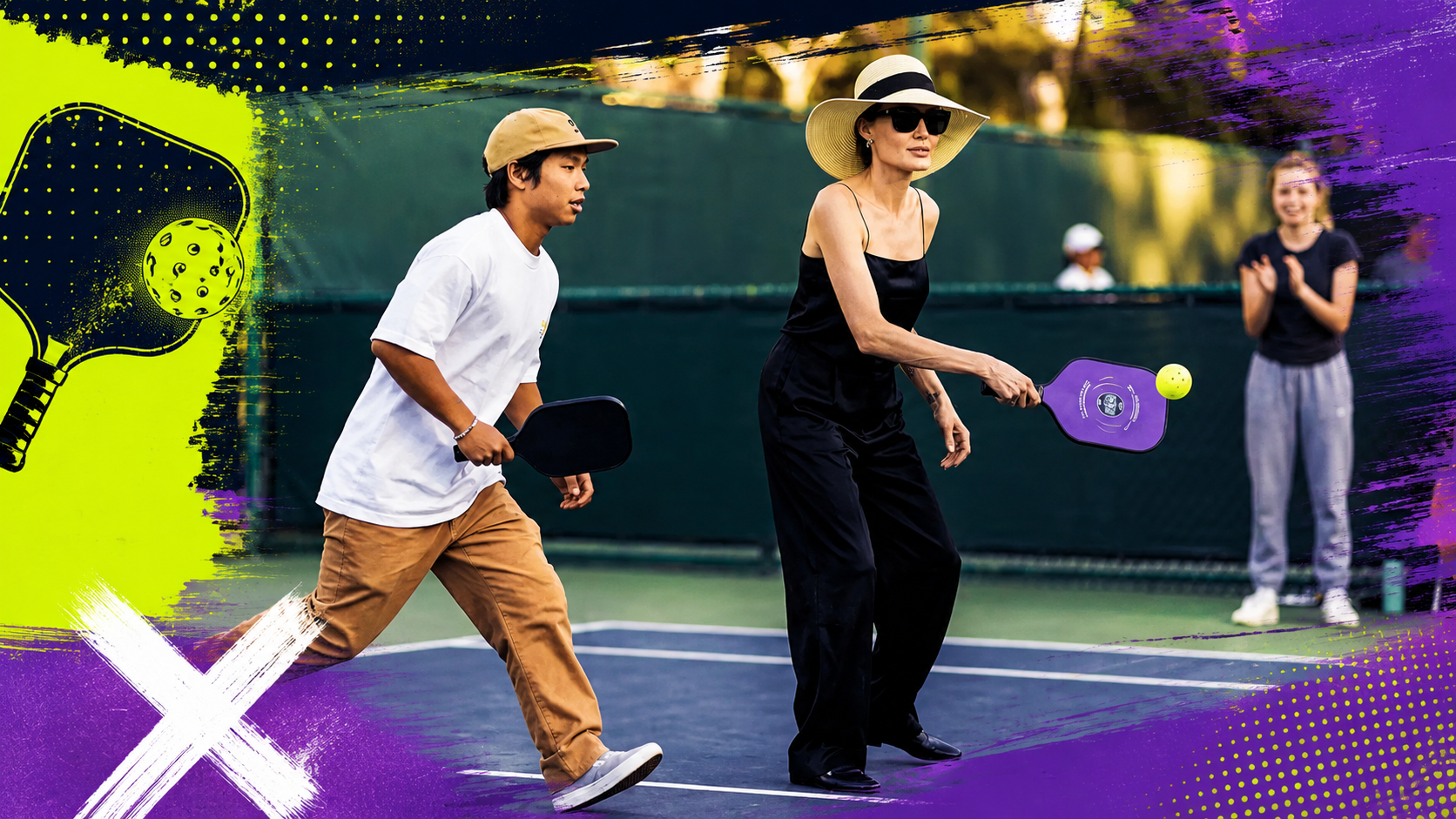
Angelina Jolie’s appearance at the Support+Feed Pickleball Invitational attracted the attention. That is what celebrity does.
But the sharper story is why pickleball keeps turning up in charity events, community days and social gatherings. The sport is easy to enter, quick to understand and unusually good at putting people from different backgrounds into the same space.
The celebrity brought the cameras. The cause provided the purpose. The court created the connection.
What matters: Pickleball’s cultural power may not come from fame. It may come from how easily the sport gives people an excuse to gather.
From The June Issue: Start Here Today
If you only read three magazine pieces alongside today’s Report, make them these.
The New World Order explains how May redrew pickleball’s global map. The Spreadsheet Courts of Seoul shows how a city is remaking the sport through pressure, community and shared organisation. The Men From Sumy reminds us that the sport’s deepest stories are still human ones.
What matters: Today’s news gives the moving parts. The June magazine gives the frame around them.
Read The Spreadsheet Courts of Seoul
The Podcast: Asia, Universities And The June Issue
This week’s World Pickleball Podcast sits neatly alongside the Report.
The discussion moves through Asia, university championships and the June magazine. That combination matters because it joins three levels of the same story: where the sport is being played, where future players may come from, and how the magazine is trying to make sense of the whole picture.
What matters: The written pieces give structure. The podcast gives the conversation around it.
What Matters Most
Today is not about one banned paddle, one federation election, one demolished venue, one MLP winner or one celebrity photograph.
It is about the sport entering a phase where attention creates obligations.
Equipment has to be trusted. Governance has to be clear. Venues have to be legal. Teams have to be properly built. Culture has to mean more than a famous person holding a paddle.
That is what serious sports eventually face. Not just whether people are watching, but whether the sport can handle being watched.
Download The June Issue
The June magazine is the best way to understand why today’s stories matter.
Start with Seoul. Move through Asia, Uganda, Tanzania, Ukraine, Brazil, Japan, paddle technology, ownership, tactics, nutrition, refereeing and the people building the sport in places the headlines still rarely reach.
Today’s Report gives you the signals.
The magazine gives you the map.