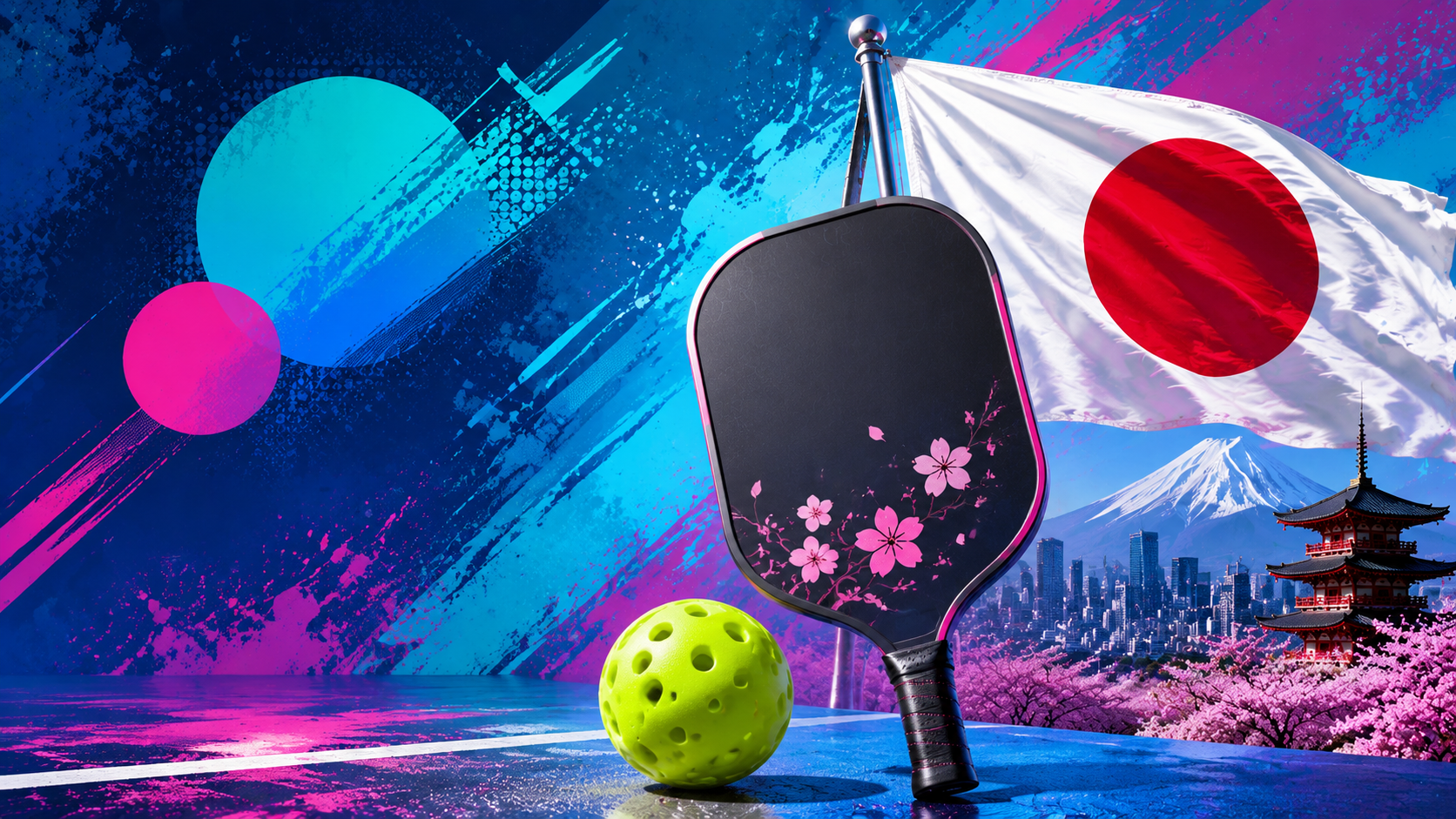
Japanese pickleball has reached a key structural milestone after the Pickleball Japan Federation (PJ) was officially recognised by the Japan Sports Association (JSPO), marking a significant step in the sport’s institutional development within the country, reports Fabrizio Lavezzari.
Key Takeaways
- Japan’s pickleball federation has received official recognition from JSPO
- The move follows the unification of Japan’s national governing structure
- Recognition strengthens links to schools, funding bodies and sporting institutions
- The development aligns Japan with wider Asian governance trends
Official Recognition Marks Structural Step Forward
Japanese pickleball reached an important milestone on June 24, 2026, when the Pickleball Japan Federation (PJ) was officially recognised by the Japan Sports Association (JSPO), the country’s umbrella organisation for sport.
The recognition follows the recent unification of Japan’s major pickleball organisations into a single national governing body, a move designed to provide a clearer structure for the sport’s development across the country.
While the immediate impact at club level may take time to filter through, the change is widely viewed as an important step in formalising the sport’s position within Japan’s national sporting framework.
In practical terms, recognition of this kind typically strengthens access to established sporting systems — including school participation pathways, local government support, sponsorship opportunities, and structured athlete development programmes.
Development Plans Now Enter Institutional Phase
The federation has already outlined a broad development strategy following the recognition.
Plans include the expansion of national championships, increased focus on junior development, structured coach and referee education programmes, and stronger support for athletes competing internationally.
These initiatives are expected to benefit from the increased institutional credibility that comes with JSPO recognition, particularly in areas where formal sporting status is required for funding or integration into education systems.
Leadership Response
Commenting on the milestone, PJ Chairperson Rika Riordan described the recognition as both an opportunity and a responsibility.
“Pickleball will bring new dreams and a healthy lifestyle to people throughout Japan,” Riordan said.
Riordan, who first discovered pickleball in Hawaii, has previously emphasised the importance of building a sustainable national structure capable of supporting long-term participation and international competitiveness.
Wider Context: A Structured Phase of Growth
Although the announcement is specific to Japan, it sits within a broader pattern emerging across Asian pickleball, where governance structures are increasingly being unified and formalised.
This shift is important because it changes how the sport connects to established sporting infrastructure — particularly in education, funding, and international competition pathways.
Japan’s recognition therefore reflects both domestic progress and alignment with a wider regional trend towards institutional sport development.
What This Means
The immediate impact of JSPO recognition will not be visible in every club or local competition.
However, the long-term implications are significant. Formal recognition typically opens access to national sporting systems, including schools, universities, and structured athlete development pathways.
In practical terms, it moves pickleball further from informal expansion and closer to established sporting legitimacy within Japan’s national structure.
Closing Line
The announcement does not change how pickleball is played in Japan today, but it changes how the sport will be supported and structured in the years ahead.
Further Reading
- Latest pickleball news from around the world
- Tournament coverage and results
- Rankings and player profiles
- Regional pickleball coverage

Chris Beaumont
Founder and Editor-in-ChiefChris Beaumont is the founder and Editor-in-Chief of World Pickleball Magazine. Chris follows the global game closely, reporting on the latest news, developments, stories and tournaments from all five continents. He also hosts the World Pickleball Podcast, interviewing people at…
View All Articles →