
While studying in San Diego, Mayu Omori is seeing what pickleball can become. On public courts across Southern California, the sport is woven into daily life—open, social, and competitive. Players of every age gather for games in the morning sun, and newcomers can quickly find themselves part of a vibrant community. For Omori, a Keio University law student currently taking time away from campus life in Tokyo, these courts are more than just places to train. They are a glimpse of what she believes pickleball could become in Japan.
At a time when the sport is still establishing itself among younger players in Japan, Omori has emerged as one of the people helping to build that future. Through the creation of university clubs and the development of a student league network, she is helping lay the foundations for what could become Japan’s first real collegiate pickleball ecosystem. Her story is part athlete’s journey and part grassroots movement, driven by a belief that pickleball can offer Japanese students something many sports cannot: accessibility, community, and room to grow.
From Injury to Opportunity
Before pickleball, Omori’s athletic life revolved around more traditional sports. She played tennis competitively in middle school before moving into lacrosse at university, but repeated injuries interrupted that path and forced her into rehabilitation at a moment when she was eager to compete. During that difficult period, she was introduced to pickleball through family connections in the Japanese pickleball community. What began as a way to stay active quickly became something much more. Even while recovering, Omori found that pickleball allowed her to compete, improve, and enjoy the strategic side of racket sports without the same physical demands. Just as important, she was struck by how inclusive the game felt. Players of different ages and athletic abilities could all share the same court in a way that was rare in more physically demanding sports.

That realization led to a larger question: if pickleball had this kind of appeal, why were so few university students in Japan playing it? At Keio University, Omori saw there was no established environment for students who wanted to play the sport. Rather than wait for one to emerge, she decided to create one herself. She began organizing student sessions, securing equipment, and navigating the administrative process required to establish a university pickleball circle. What began as a small effort on one campus quickly expanded into a broader mission to connect students at universities across Japan.
If you're following how the global game is shifting week by week, the World Pickleball Report breaks this down every day in our morning briefing.
Building a Student Network
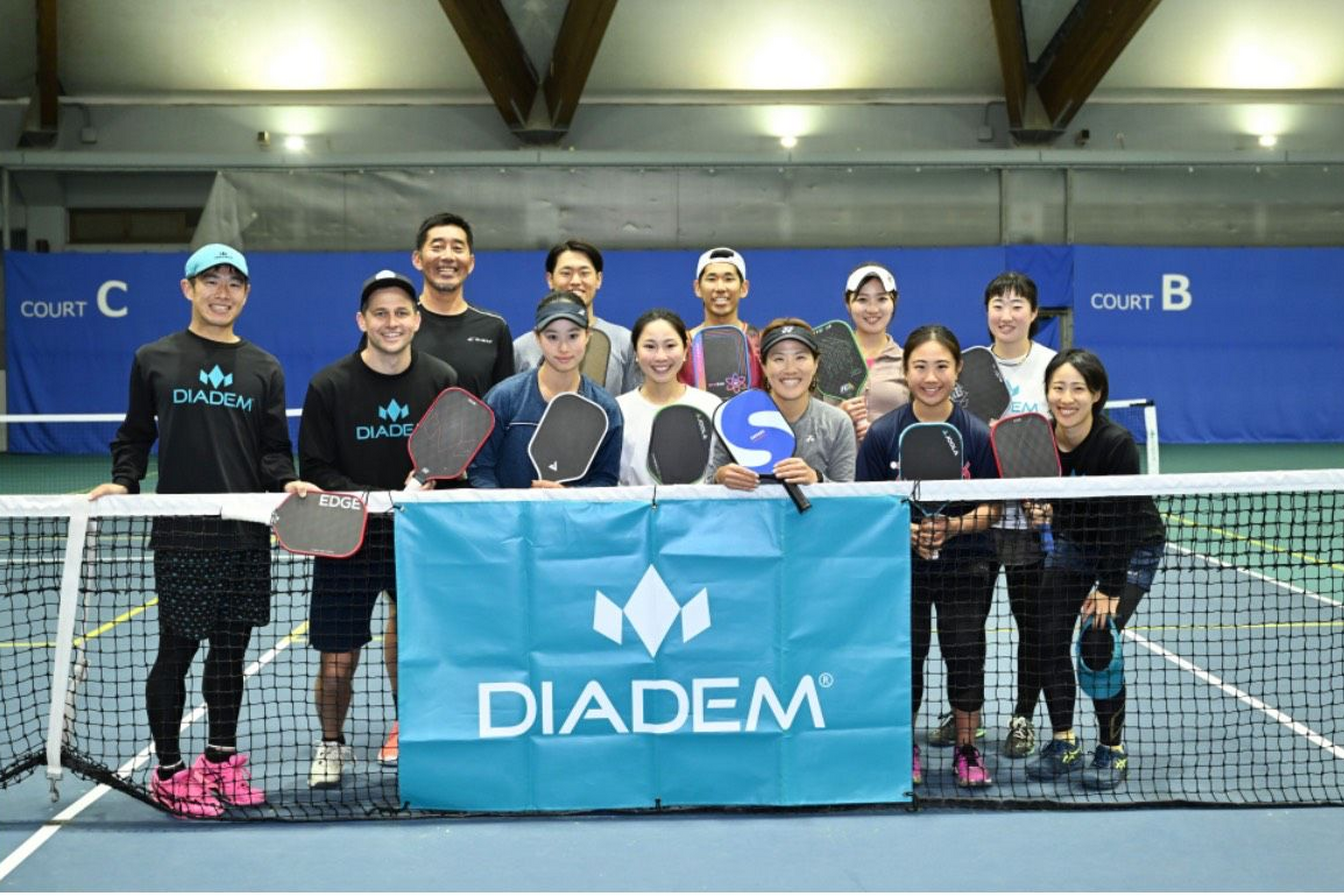
As Omori reached out to players and organizers at other schools, isolated campus initiatives gradually began to take shape as a network. She began connecting students at universities such as Keio and Waseda through early inter-university events, helping lay the groundwork for what is now a student league network spanning around 30 universities across eastern and western Japan. These efforts have contributed to the development of the Japan University Students Pickleball League, a student-led initiative designed to connect university clubs and encourage organized competition. It remains an early-stage project, but its potential importance is considerable. In Japan, where pickleball is still relatively new, the emergence of a collegiate structure could become one of the sport’s most important long-term growth drivers.
University sports clubs occupy a central place in Japanese student life. They create communities, build identity, and often establish the habits that shape long-term engagement with sport. Omori recognized that for pickleball to grow meaningfully among younger generations, it needed more than casual participants—it needed visibility, organization, and a place within the university system. Without those things, the sport risked remaining a recreational curiosity rather than becoming a serious option for young athletes.
“In Japan, sports clubs can often feel rigid and demanding. Pickleball offers something fresh: genuine competition combined with open social joy.”
Mayu Omori, Japanese Collegiate Pickleball Pioneer
Shaping the Future
Her experience in the United States has reinforced that belief. Having represented Japan at the World Cup in Florida, Omori is now training in an environment where pickleball is fully embedded in the sporting culture. In San Diego, she has seen what happens when public courts are busy, competition is accessible, and players of all levels are welcomed into an active and visible community. The openness of that environment has provided a powerful contrast with the situation in Japan, where the sport is still building the infrastructure needed to support broader participation. For Omori, the experience offers more than personal development—it provides a model for what could be created back home.
Rather than simply returning with improved skills, she is gaining a clearer vision of how pickleball grows when infrastructure and culture develop together. Courts matter, but so do communities. Competition matters, but so does accessibility. The challenge in Japan is not only to create opportunities for play, but to build an environment where students see pickleball as something vibrant, visible, and worth committing to. That is the environment Omori is trying to help create.
This is what makes her efforts significant beyond her own university. Every new student club increases awareness. Every inter-university event adds legitimacy. Every student introduced to the sport expands the possibility of long-term growth. Around the world, pickleball has often spread through grassroots enthusiasm, but sustainable expansion depends on institutions that give that enthusiasm direction. Universities can provide that structure.
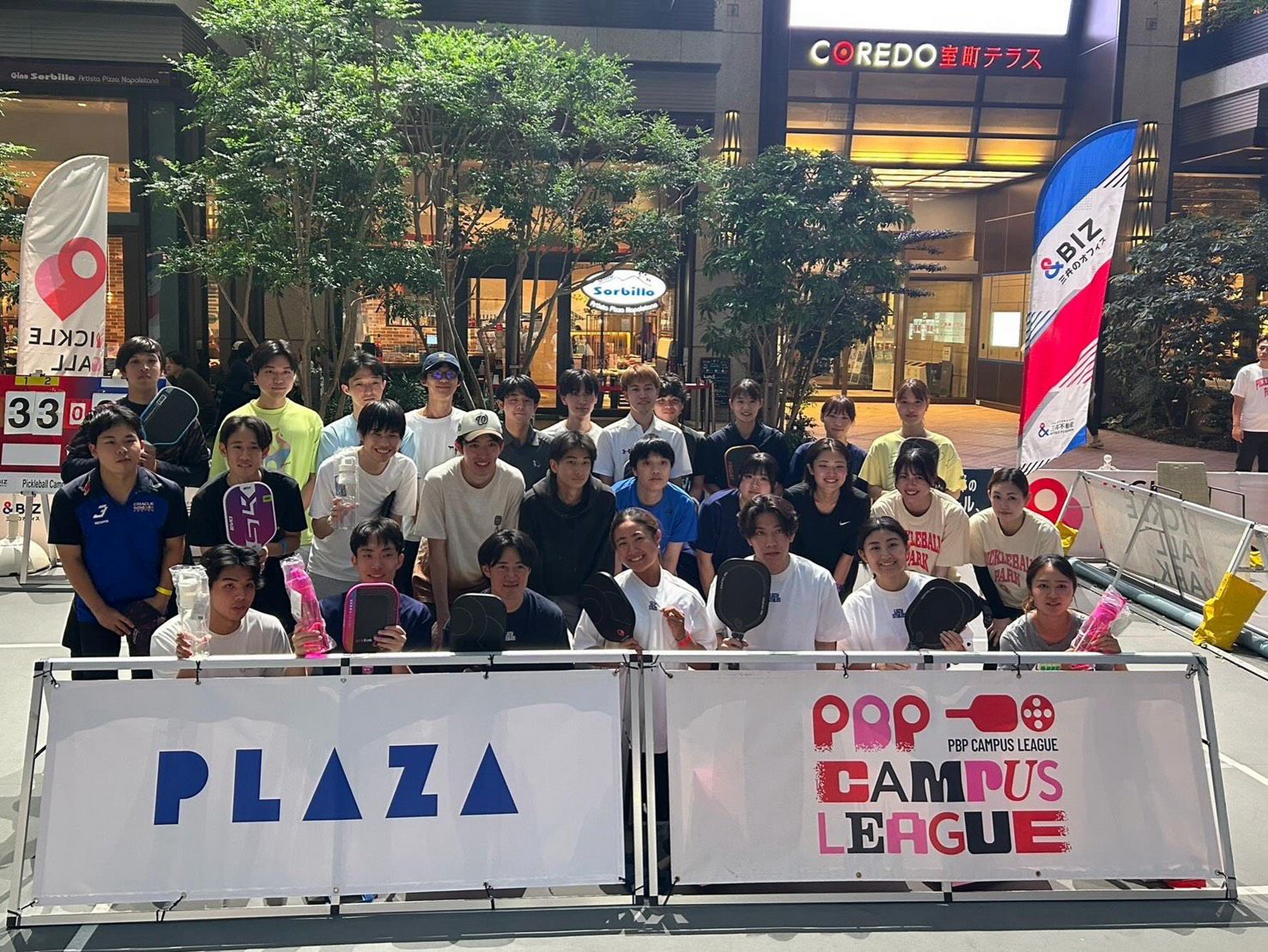
The clubs and networks being built by Omori and her peers may become the foundation of university pickleball in Japan. Awareness remains limited, coordination takes time, and student competition structures are only beginning to emerge. But what began with one injured athlete discovering a new sport has grown into something larger. In San Diego, Omori is seeing what that future can look like. Back home, she is helping build it.
For a clearer view of where the sport is heading each week, you can join the World Pickleball Report here.

Fabrizio Lavezzari
Founder and Editor-in-ChiefFabrizio Lavezzari is a contributor to World Pickleball Magazine.
View All Articles →