
The Report
Canada’s Pickleball Divide Is Now Impossible To Ignore
World Pickleball Report
Canada’s Pickleball Divide Is Now Impossible To IgnoreToday’s lead story is about Canada. The bigger question is where professional pickleball really lives when federations, leagues and players are no longer moving in perfect step.
This is the World Pickleball Report.
Today’s Report starts with an uncomfortable Canadian question.
What happens when elite players are asked to choose between a national championship and the country’s leading professional league?
That is not a minor diary clash. It is a sign of a sport trying to work out who sits at the top of the pyramid.
And that is why the June issue matters today. The magazine is full of stories about power, structure, ownership, technology, global maps and the people building pickleball before the wider world notices.
Lead Feature: Who Owns The Top Of Canadian Pickleball?
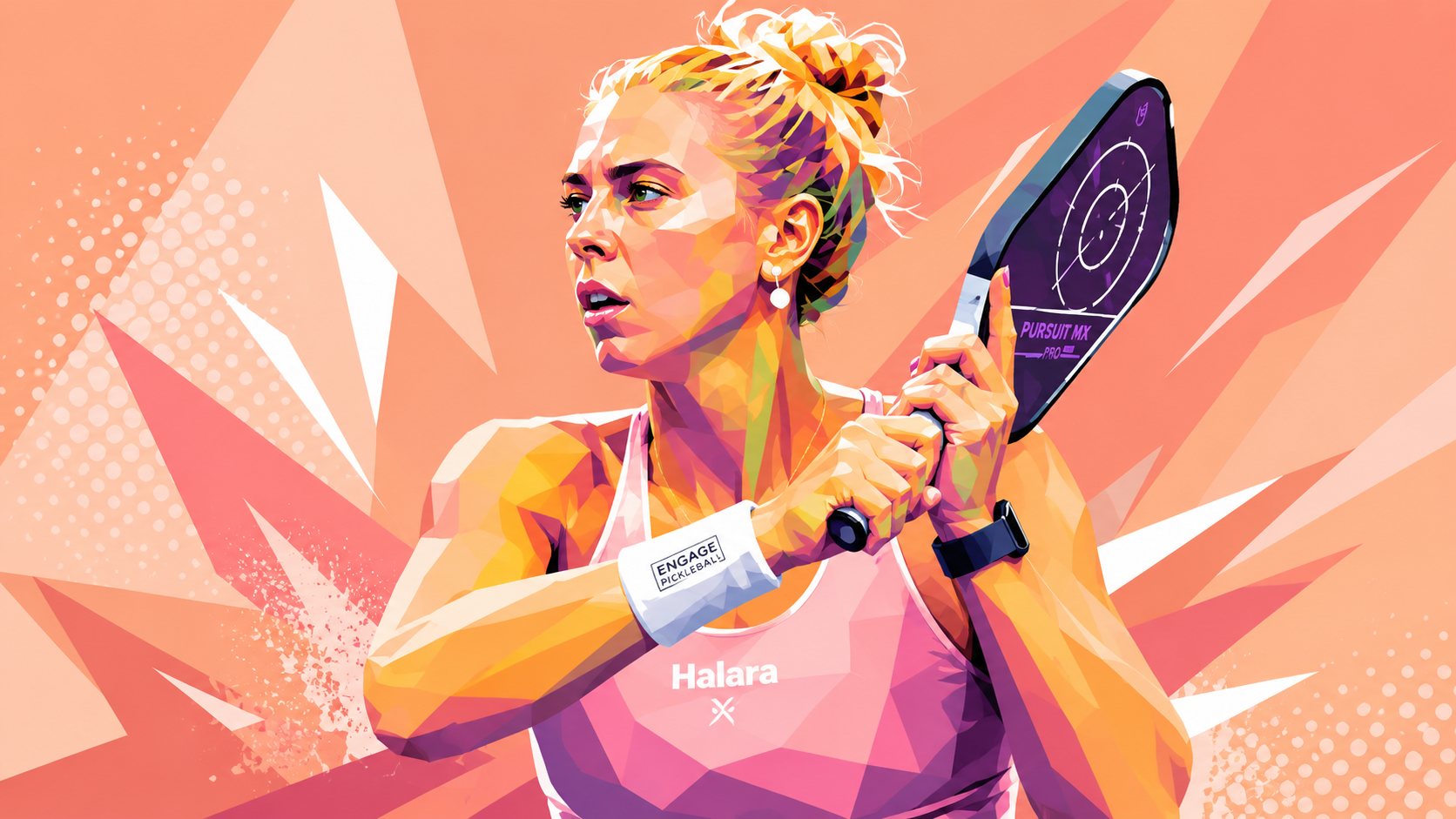
Maria Klokotzky’s criticism of Pickleball Canada began with a scheduling conflict.
But the story is bigger than one weekend.
Canada’s national championships were scheduled against an official Canadian National Pickleball League event. That left elite players facing a choice they should never have had to make: play for a national title, or play in the country’s most established professional team competition.
The uncomfortable question is not just who made the scheduling decision. It is whether Canadian pickleball has reached the point where its professional centre of gravity may no longer sit where traditional sporting structures expect it to sit.
What matters: Canada does not have a talent problem. It has a structure problem. The next test is whether federations, leagues and players can build the same future instead of competing for the same athletes.
The Reset: June’s Magazine Is About This Exact Tension
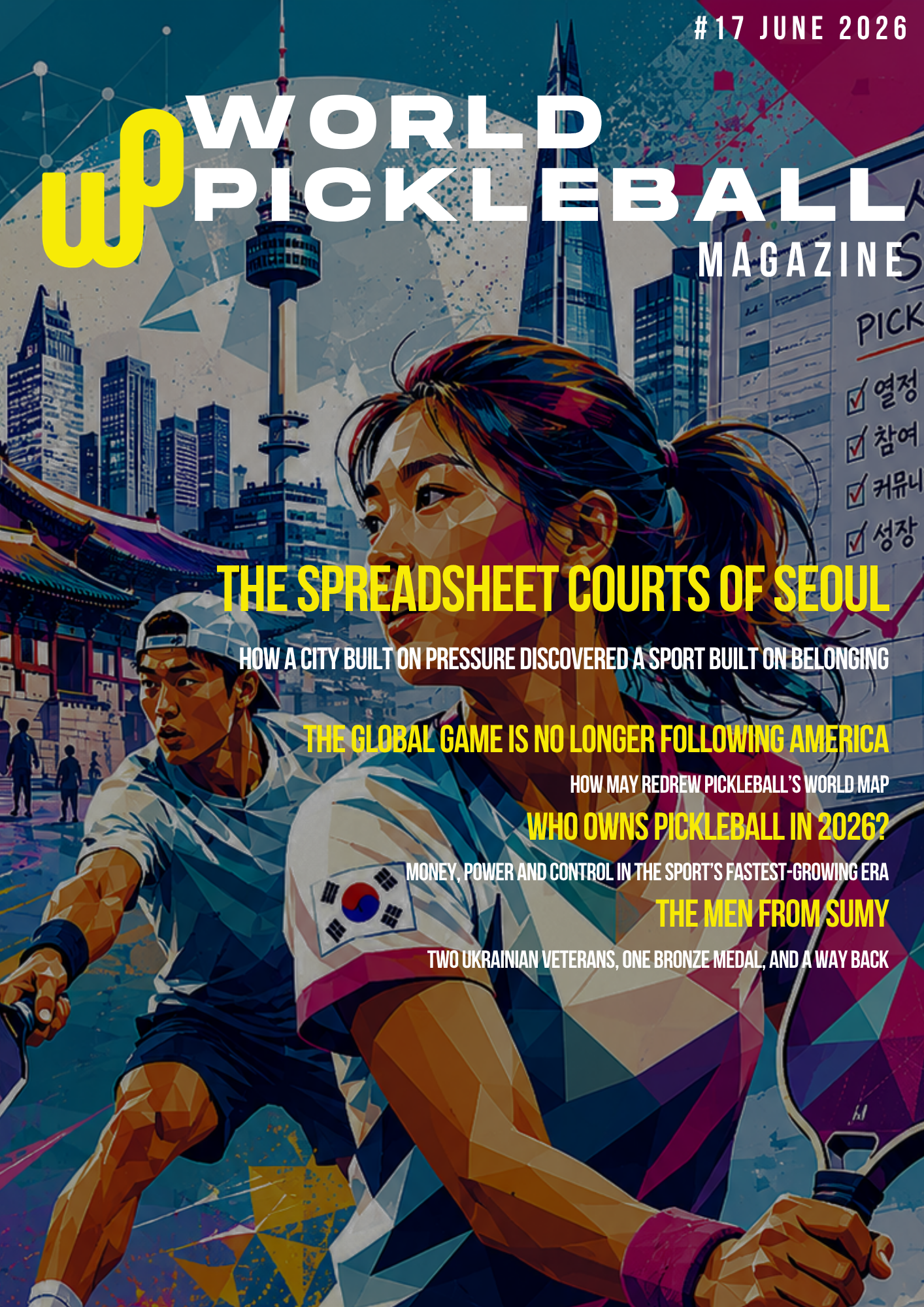
If today’s Canada story is about who controls the top of the sport, the June magazine gives the wider version of that question.
The Lab: Who Controls The Future Of Pickleball? looks at data, technology and authority. The Business: Who Owns Pickleball In 2026? follows the money and influence gathering around the game. When Pickleball’s Biggest Brand Bought Its Coolest One explains why consolidation is no longer a distant possibility.
These are not side stories. They are the deeper forces behind the headlines.
What matters: The June issue is not just a monthly archive. It is the best map we have produced of the sport’s next power struggle.
Beyond The Score: The Rest Of Asia Has A Vietnam Problem
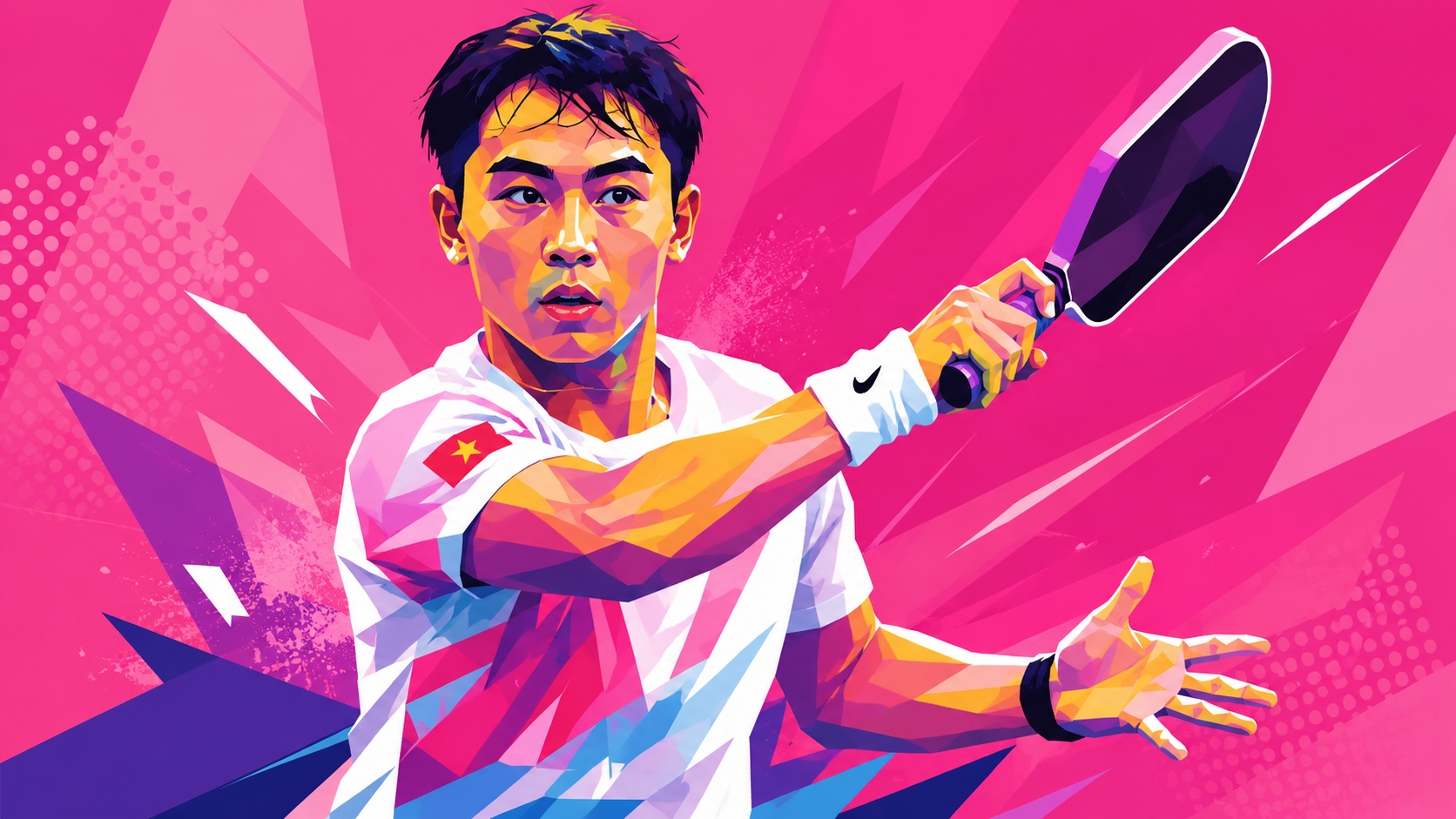
Vietnam’s latest tournament success is not just about Phuc Huynh winning another title.
The real story is depth.
Vietnam now has five players inside Asia’s men’s top ten. With the Pickleball World Cup heading to Da Nang, that changes the conversation. Most nations have a star. Vietnam increasingly looks like it has a system.
What matters: World Cups are rarely won by one player. They are won by squads, depth and options. Right now, Vietnam may have more of those than anyone else in Asia.
From The June Issue: Asia Is No Longer Waiting
Vietnam’s rise sits inside a much bigger Asian story.
The New World Order explains how May redrew pickleball’s global map. APP Asia Tour Launches Six-Country Circuit shows how quickly the regional calendar is hardening into something serious. Asia’s First Full-Residence Pickleball Academy asks what happens when player development starts looking less casual and more permanent.
Taken together, these pieces suggest Asia is not simply joining the sport. It is beginning to shape it.

Global Briefing: From Rota To Da Nang
Not every important story today needed a full feature.
Spain’s Reballution Cup brought more than 720 players to Rota. Australia opened applications for the World Cup in Da Nang. Brazil’s Brumado sent players to national competition. Poland confirmed its tour calendar. The RTA circuit continued in Lyon.
Individually, these are quick-fire updates. Together, they show something more useful: the sport’s foundations are getting more organised across several continents at the same time.
What matters: Pickleball’s next phase will not only be shaped by stars. It will be shaped by calendars, pathways, selection systems, local clubs and repeatable structures.
The Human Story: Identity On The Road To The English Open
Week four of the Road to the English Open is not really about medals.
It is about what happens when ordinary players start building serious sporting identities around pickleball. Training plans change. Weekends change. Expectations change. So does the way people talk about themselves.
That is why this series matters. It captures the part of competitive pickleball that rankings alone will never explain.
From The June Issue: Three Pieces To Read Today
If you only read three magazine pieces alongside today’s Report, make them these.
The Spreadsheet Courts of Seoul shows how a city can organise itself around a sport. The Men From Sumy is one of the strongest human stories in the issue. The Battle For The Middle takes one tactical idea and shows why it decides so many doubles points.
What matters: The June issue moves from global systems to individual lives to what actually happens on court. That is the range the sport now needs.
Read The Spreadsheet Courts of Seoul
Read The Battle For The Middle
What Matters Most
Today’s stories are not about one country, one league or one tournament.
They are about where the sport’s real structures are starting to form.
In Canada, that question is institutional. In Vietnam, it is competitive. In Australia, Spain, Brazil and Poland, it is organisational. In the English Open series, it is personal.
The sport is no longer just spreading. It is sorting itself into systems, and those systems will decide what pickleball becomes next.
Download The June Issue
The June issue is the best way to understand today’s Report in full.
Start with Seoul. Move through Asia, Uganda, Tanzania, Brazil, Japan, Ukraine, paddle technology, ownership, tactics, refereeing, nutrition and the people building pickleball in places that still rarely get the spotlight.
Today’s Report gives you the signals.
The magazine gives you the map.