
The Report
Ben Johns changed something again
World Pickleball Report sponsored by PKLBull
The sport is getting harder to solveToday we look at Ben Johns’ tactical adjustment, Vietnam’s statement in Kuala Lumpur, JOOLA’s patent pressure, India’s domestic circuit and the wider stories shaping the sport.
This is the World Pickleball Report, brought to you by PKLBull.
Pickleball is becoming less forgiving.
That is the thread running through today’s Report.
Ben Johns is still finding new ways to take time and space away from opponents. Vietnamese players are no longer treating American pros like unreachable targets. JOOLA’s patent settlement shows the paddle business is getting tougher, not just bigger.
India’s domestic circuit is starting to harden players through repeated competition, while today’s roundup shows the same pattern elsewhere: ratings systems, junior pathways, Oceania structures and doubles partnerships are all becoming more complex.
The old version of the sport rewarded enthusiasm and raw ability.
The new version is rewarding adaptation.
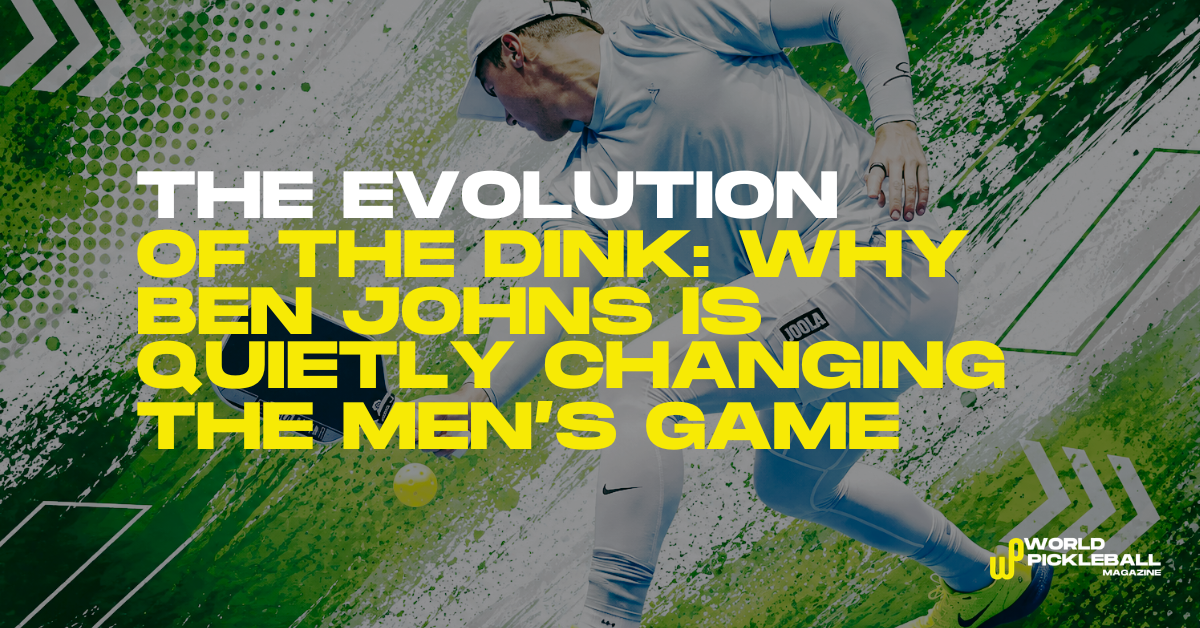
Big feature: Ben Johns is changing the dink conversation again
Ben Johns has never been just a power problem.
At his best, he is a time problem. A spacing problem. A patience problem. And now his two-handed dink is giving opponents another technical puzzle to solve.
The interesting point is not simply that Johns has added another shot. It is that he is using it to control pressure, disguise intention and change the shape of kitchen exchanges.
This is where elite pickleball is heading: smaller technical changes creating bigger tactical consequences.
What matters: the best players are no longer just improving their weapons. They are changing the questions opponents have to answer.
Read the Ben Johns two-handed dink analysis
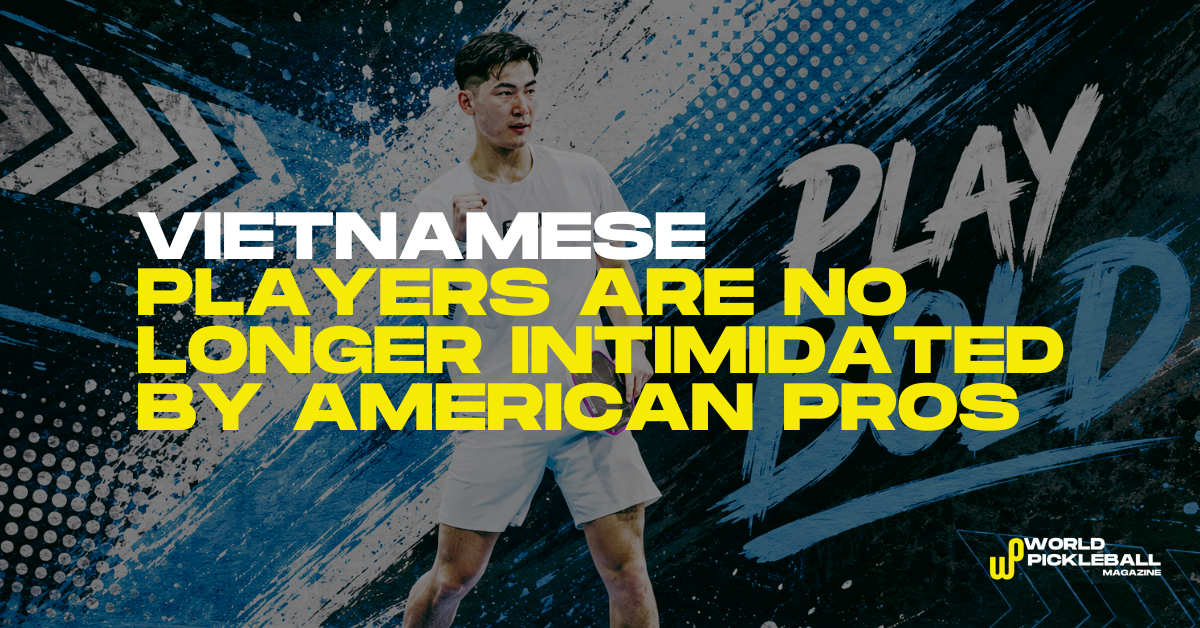
Vietnamese players are no longer surprised by American pros
The Panas Kuala Lumpur Open has produced more than a few interesting results.
It has produced a shift in tone.
Vietnamese players are not just staying close against established American professionals. They are winning key matches, controlling exchanges and looking increasingly comfortable under pressure.
Nguyen Hung Anh’s comeback against Tama Shimabukuro and the doubles win over Zane Navratil and Mitchell Hargreaves are not random surprises. They are signs of a competitive gap narrowing in real time.
What matters: the fear gap is shrinking. That may become one of the most important stories in international pickleball.

The May issue gives the bigger picture
The daily news shows what moved today.
The magazine helps explain why those movements matter.
Across pro tours, global development, player stories, tactics and the business of the sport, the May issue gives you the deeper read in one place.
Download the free May 2026 issue
JOOLA’s patent settlement is bigger than one lawsuit
JOOLA’s settlement with Paddletek Group and ProXR Pickleball could become a turning point for the paddle industry.
This is not just about royalties or legal wording.
It is about who controls paddle technology, how quickly brands can develop new products and whether the equipment market is about to become more cautious.
If affected models are phased out and rival brands are forced into redesigns, players, retailers and manufacturers will all feel the consequences.
What matters: the paddle wars have moved from marketing claims into legal and manufacturing pressure.
Read the JOOLA patent settlement analysis
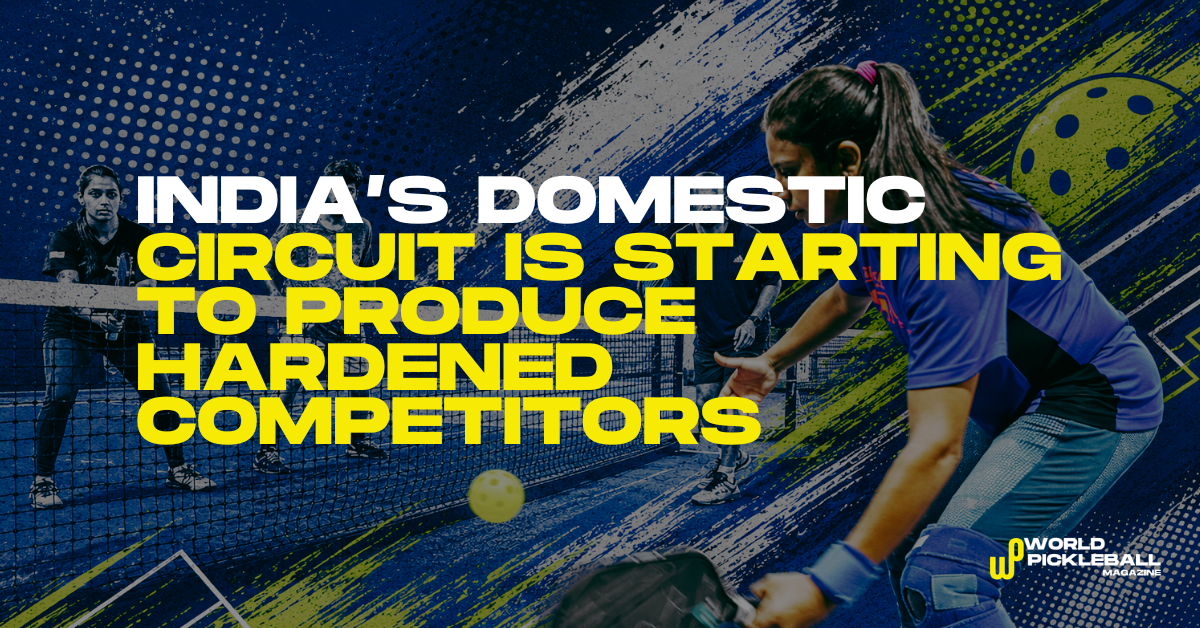
India is building competitors, not just participation
The Kolkata Open was not just another domestic tournament.
It showed something more important about India’s pickleball structure: players are travelling, regions are connecting and repeated pressure matches are beginning to raise the standard.
The key detail is not simply that more people are playing. It is that players from emerging regions such as Nagaland are now entering demanding national environments and learning what higher-level competition actually requires.
What matters: India’s domestic circuit is starting to create competitive density, which is what serious player development needs.
Read the India domestic circuit feature

Also today: DUPR, MLPA, juniors and rankings pressure
Today’s wider roundup moves quickly across the rest of the sport.
Ben Johns and Anna Leigh Waters remain the clearest benchmarks in the rankings, but everything underneath them keeps moving. DUPR’s latest changes suggest ratings are becoming more analytical. Asia’s junior pathway is becoming more structured. MLPA’s 2026 model is pushing Oceania toward clearer qualification routes.
And in elite men’s doubles, the partner carousel keeps spinning because fourth place no longer feels good enough.
What matters: pickleball is not just expanding. It is becoming more layered, more unstable and harder to predict.
Read today’s global pickleball roundup
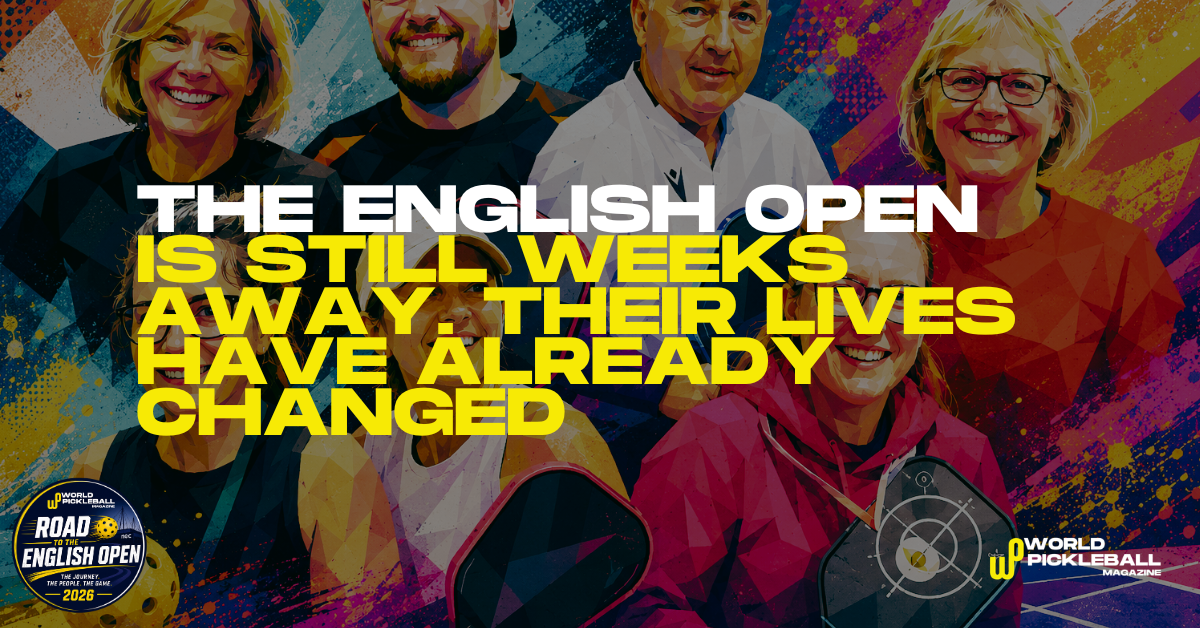
Road to the English Open: preparation has already started
The English Open at the NEC in Birmingham is still months away, but serious preparation does not start when the draw comes out.
It starts now.
Our Road to the English Open series follows that process properly: the training, the weaknesses, the pressure, the ambition and the gap between wanting to compete and being ready.
What matters: this gives WPM a human storyline with a clear destination and real jeopardy.
Read the Road to the English Open launch feature
Sponsored: PKLBull
Most paddles are priced like luxury products.
That does not mean they should be.
Good paddles. Dinky price. No bull.
One thing to watch
The interesting thing now is not whether pickleball is getting bigger.
It clearly is.
The interesting question is who is adapting fastest to what the sport is becoming.
The best players are changing the technical details. Asian players are closing the fear gap. Equipment brands are facing legal pressure. India is building a tougher domestic circuit. DUPR, MLPA and junior pathways are all adding more structure around the game.
The easy phase is over.
The sport is still growing, but the smarter story is that it is becoming harder to solve.