

The Veolia Atlanta Pickleball Championships will settle the final PPA Finals places, with tight points races turning the last week of the regular season into a test of nerve, depth and timing.
- Atlanta is the final slam of the 2025-26 PPA Tour season, with 2,000 ranking points available to event winners.
- The last PPA Finals places remain live, with narrow races across singles and mixed doubles.
- The deeper story is not only who wins in Atlanta, but who survives the pressure band just below the top of the tour.
The most important matches in Atlanta may not come on Championship Sunday.
That is the point.
The Veolia Atlanta Pickleball Championships are the final slam of the 2025-26 PPA Tour season, but the title races are only part of the story. For several players, this week is less about winning the event than staying in the season.
The final places at the PPA Finals in San Clemente are still unsettled. Atlanta offers 2,000 ranking points to winners, a full professional field, and enough volatility to make every early-round match feel dangerous.
That gives the week a different kind of weight.
The season is being decided at the margins
The cleanest race is also the tightest. In men’s singles, Jack Sock sits on 4,950 points, only 50 ahead of Gabe Joseph on 4,900.
That is not a cushion. It is one match, one draw, one difficult opponent at the wrong time.
In mixed doubles, the margins are not much safer. Eric Oncins has moved ahead of Noe Khlif, with Oncins on 5,000 points and Khlif on 4,650. On the women’s side of mixed doubles, Parris Todd is also on 5,000, narrowly ahead of Rachel Rohrabacher on 4,650.
Those numbers matter because the PPA Finals do not reward general respectability. The cut is hard. The PPA Tour’s qualification structure sends the leading players and teams to the season finale, which means the difference between eighth and ninth is not symbolic. It is the difference between another major stage and a season that stops short.
This is where the tour becomes more interesting than a list of champions.
There is now a pressure band underneath the very top. Players in that space are good enough to beat almost anyone, but not secure enough to relax. They are chasing points, defending position, watching rivals, and trying not to let the table dictate how they play.
If you’re following how the global game is shifting week by week, the World Pickleball Report breaks this down every Wednesday.
Why the qualifier field matters
The pressure is not only coming from the players already inside the race.
Men’s singles qualifying in Atlanta includes 90 players fighting for 12 main-draw spots. That is a brutal ratio, but it is also a useful signal. The professional game is no longer just being shaped by the names already on the main courts. It is being squeezed from below.
That changes the tone of a tournament.
For established players, the danger can arrive early. A qualifier who has already survived two or three matches may enter the main draw with rhythm, confidence, and nothing to protect. For players on the Finals bubble, that is exactly the kind of opponent who can turn a season.
It also changes how fans should watch the week. The story is not waiting politely for the semi-finals. It may happen in the round of 64, when a player with a thin points margin gets dragged into a match they were expected to control.
That is where pressure shows itself first.
Waters brings stability. The rest brings chaos.
Anna Leigh Waters enters Atlanta chasing a different kind of marker. She is attempting to pass two full years without a singles defeat, a level of dominance that has become its own storyline.
Her presence gives the tournament a useful contrast.
At the very top, Waters represents stability. Around the cut lines, the tour looks far less settled. That contrast is healthy for the PPA. Dominance gives the sport a benchmark. Volatility underneath gives it movement.
The men’s singles picture carries that same instability in a different way. Chris Haworth, Federico Staksrud and Hunter Johnson have shared the recent title pattern, but the wider field keeps pushing closer. The question in Atlanta is not simply who can win the event. It is who can avoid the result that undoes months of work.
What to watch in Atlanta
Start with Sock and Joseph. A 50-point gap is thin enough to make every round uncomfortable.
Then follow the mixed doubles bubble. Oncins and Khlif, Todd and Rohrabacher, are not just fighting opponents across the net. They are fighting the table.
Watch the qualifiers, too. A 90-player men’s singles qualifier is not background noise. It is a sign of how crowded the road to the main draw has become.
And then watch Waters. Not because her dominance is new, but because sustaining that standard across another high-pressure week is still one of the sport’s hardest assignments.
What this means
Atlanta matters because it turns the end of the regular season into something visible.
The PPA does not need every week to carry the same meaning. It needs certain weeks to feel unavoidable. This one does, because the stakes are easy to understand: make the Finals, or miss the cut.
For the tour, that is valuable. It gives the rankings table drama. It makes early rounds matter. It gives fans a reason to track more than the usual title contenders.
For the players, it is harsher. A season can look successful for months and still be defined by one bad week at the end. That is the cost of a proper cut line.
Atlanta will produce champions. But the bigger story may be who leaves with their season extended, and who leaves knowing the margin was too small to survive.
For a clearer view of where the sport is heading each week, you can join the World Pickleball Report here.
Further Reading
- Latest pickleball news from around the world
- Tournament coverage and results
- Rankings and player profiles
- Regional pickleball coverage
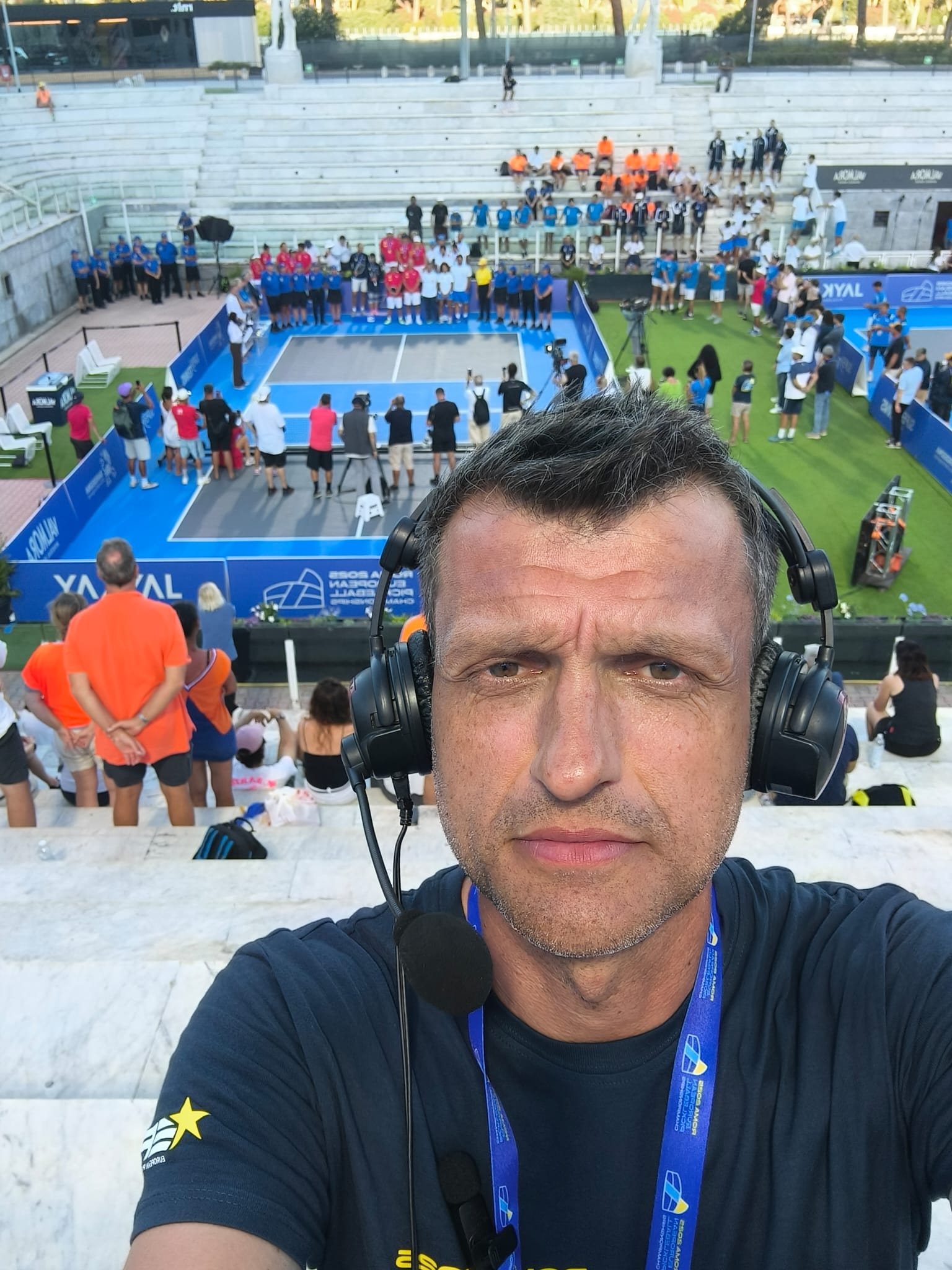
Chris Beaumont is the founder and Editor-in-Chief of World Pickleball Magazine. Chris follows the global game closely, reporting on the latest news, developments, stories and tournaments from all five continents. He also hosts the World Pickleball Podcast, interviewing people at all levels of pickleball. Chris is also an avid player, currently struggling to make the breakthrough from 4.0 to 4.5.