
The final ball does not signal the end of the day at Arena BPS.
Paddles are packed away and the scores are recorded, but the building does not empty. Music replaces the sound of play. Competitors who spent the afternoon trying to beat one another stay for the evening. Conversations move between Portuguese, Spanish and English. Rock gives way to samba, then to rhythms carried into Brazil from elsewhere in Latin America.
This is the Latin American Pickleball Tournament, but competition tells only part of its story.
Since 2023, players from across the region have travelled to Governador Valadares, a city in the Brazilian state of Minas Gerais, for an event built around more than medals. Its fourth edition brought together high-level play, international exchange and the sort of social life that rarely appears on a results sheet.
For three days, people who had previously been separated by thousands of kilometres shared courts, meals, music and ideas. Some arrived as opponents. Many left as friends.
That atmosphere did not develop by accident. It grew from years of work in a city that became one of the early centres of Brazilian pickleball.
The First Kits
The story begins with Toninho Coelho.
In 2018, when few Brazilians had encountered pickleball, Coelho began promoting the game in Governador Valadares. The creation of the Valadares Pickleball Club gave the sport a local home, but his ambitions soon reached beyond the city.
Coelho travelled to other Brazilian state capitals to introduce the game. He supplied complete equipment kits to people willing to start playing, removing one of the simplest but most stubborn barriers facing a new sport. Interest means little when nobody has paddles, balls or a net.
His approach was practical. Find people who were curious. Give them what they needed. Teach them how to play. Trust them to carry the game into another community.
As the local club grew, its players became increasingly competitive. Governador Valadares was developing something larger than a collection of courts. It had knowledge, regular play and a group of people prepared to build.
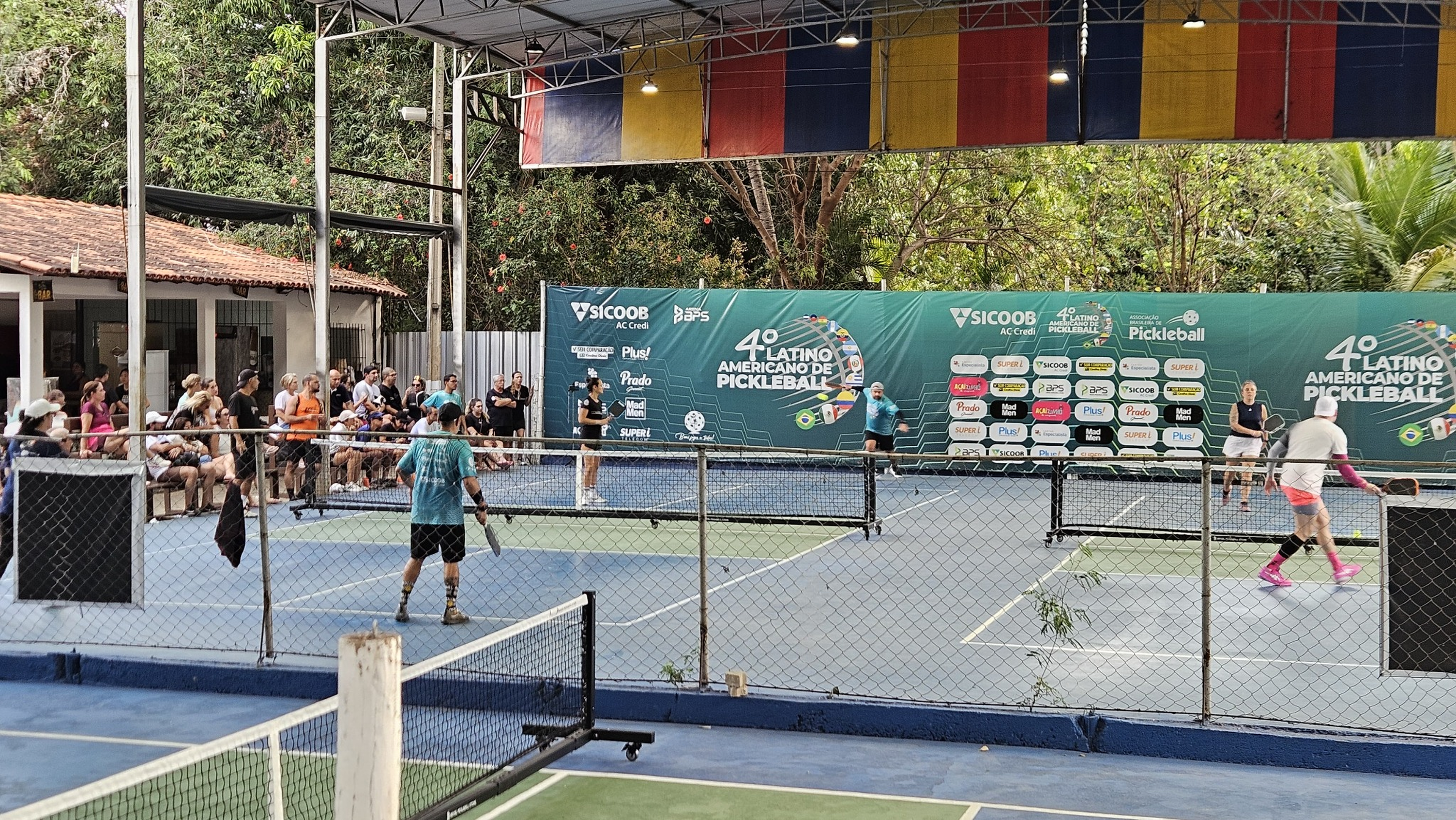
The Latin American Pickleball Tournament followed the same instinct. If Brazil wanted to improve, it needed stronger connections with the countries around it. Bringing players together could raise the standard of competition while helping organisers share the lessons of building the game in places where infrastructure remained limited.
A tournament became a meeting point.
If you're following how the global game is shifting week by week, the World Pickleball Report breaks this down every day in our morning briefing.
From Player to Operator
Growth eventually created a different challenge.
The club needed to become more organised without losing the character that had allowed it to thrive. That responsibility passed to Yago Silva, a player developed within the Valadares system.
Silva understood the club from the court, but he also brought experience from Brazil Pickleball Store, the e-commerce business he runs with his partner, Grazielli Fróes. Under their management, the venue was renamed Arena BPS and its purpose expanded.
The arena now has eight courts. It stages lessons and tournaments, but its ambitions are wider than pickleball programming. Parties, concerts and other events have turned it into an entertainment venue for Governador Valadares.
That matters because new sports need places where people want to spend time. A court can provide a game. A venue with its own social life can create habits, friendships and a sense of ownership.
The 2026 Latin American Pickleball Tournament was the first edition organised under Silva’s leadership. The surroundings had changed, but the event retained the idea on which it was founded. Players were there to compete, learn from one another and strengthen the relationships developing across the region.
Arena BPS gave that idea a physical expression. Pickleball occupied the courts, but it no longer had to remain within their lines.
Crossing Borders
Much of pickleball’s international conversation is shaped by professional tours, major commercial markets and events capable of attracting established stars.
The Latin American Tournament represents another form of development.
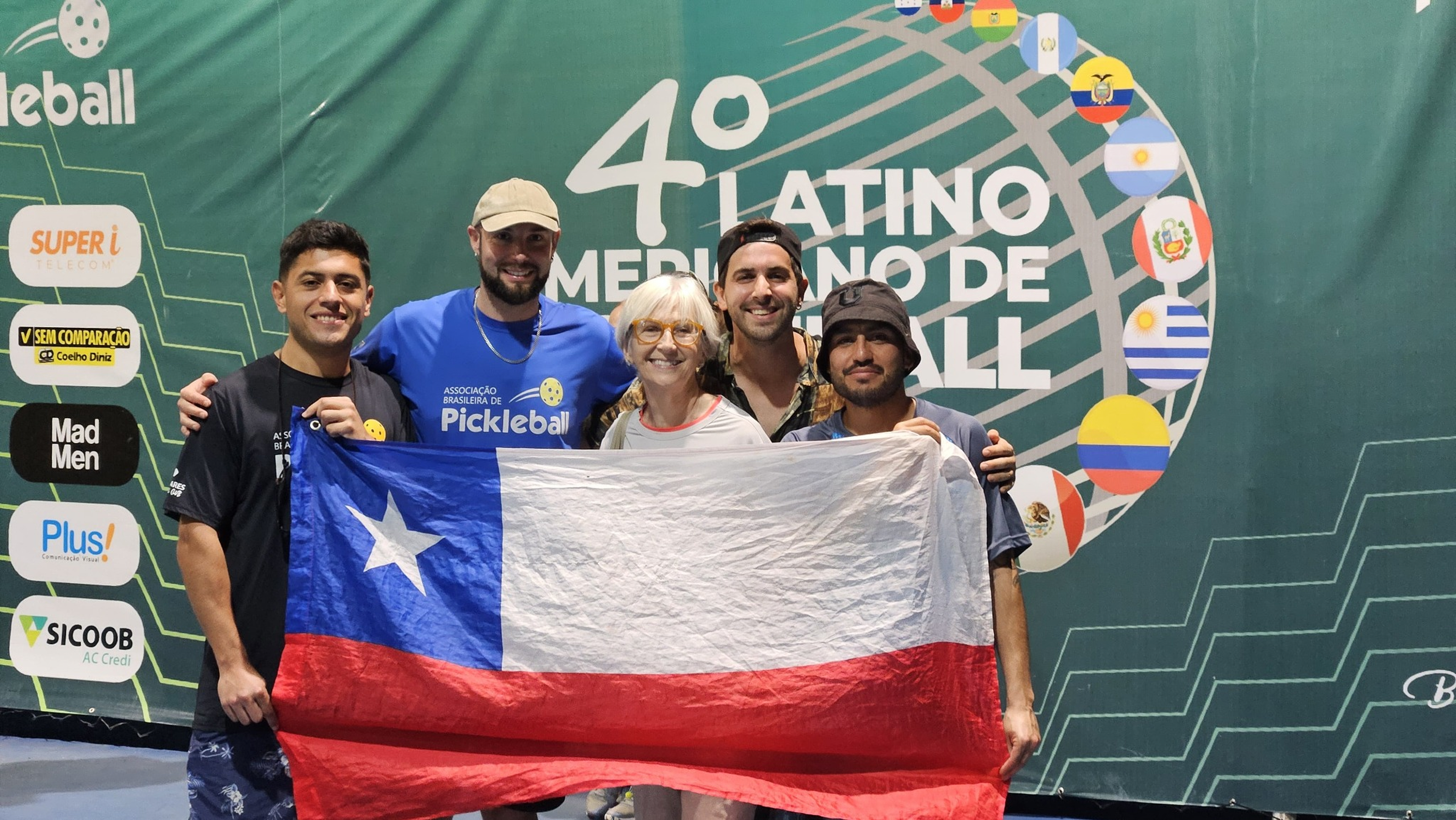
Players travel because opportunities to face international opposition within the region remain valuable. Organisers learn how other communities recruit players, secure equipment and run events. Competitors compare styles shaped by different coaching systems and levels of access.
These exchanges help Latin American pickleball develop through its own relationships.
Governador Valadares has become a gathering place within that network. Its importance comes from consistency. The city has continued to hold the tournament, welcome visiting players and create the conditions for connections to survive after everyone goes home.
Each edition adds another layer. Returning competitors renew friendships. First-time visitors enter a community that already has shared memories. The tournament acquires traditions.
The evening celebrations have become one of them.
“You fight for every ball as if your life depends on it, and thirty minutes later you are sharing a drink and singing samba together. That is pickleball in Brazil.”
Arena BPS Tournament Competitor
The Shared Crown
The competition still matters.
In 2026, Marcela Donatoni and Kym Sze produced the tournament’s outstanding performances. Donatoni won women’s singles and women’s doubles. Sze took the men’s singles and men’s doubles titles. Together, they won mixed doubles.
Both therefore completed a Triple Crown.
No player had achieved the feat at the event since Bernardo Andrade won all three of his categories at the inaugural tournament in 2023. Donatoni and Sze reached the same distinction in a way that suited the wider character of the weekend. Their individual success became shared success when they stepped onto the court together.
The results gave the tournament its champions. The setting gave those victories a wider meaning.
International players were testing themselves against unfamiliar opponents. Local competitors had the chance to measure their progress against some of the strongest athletes in the field. People who had previously known one another through messages, rankings or social media were finally sharing a court.
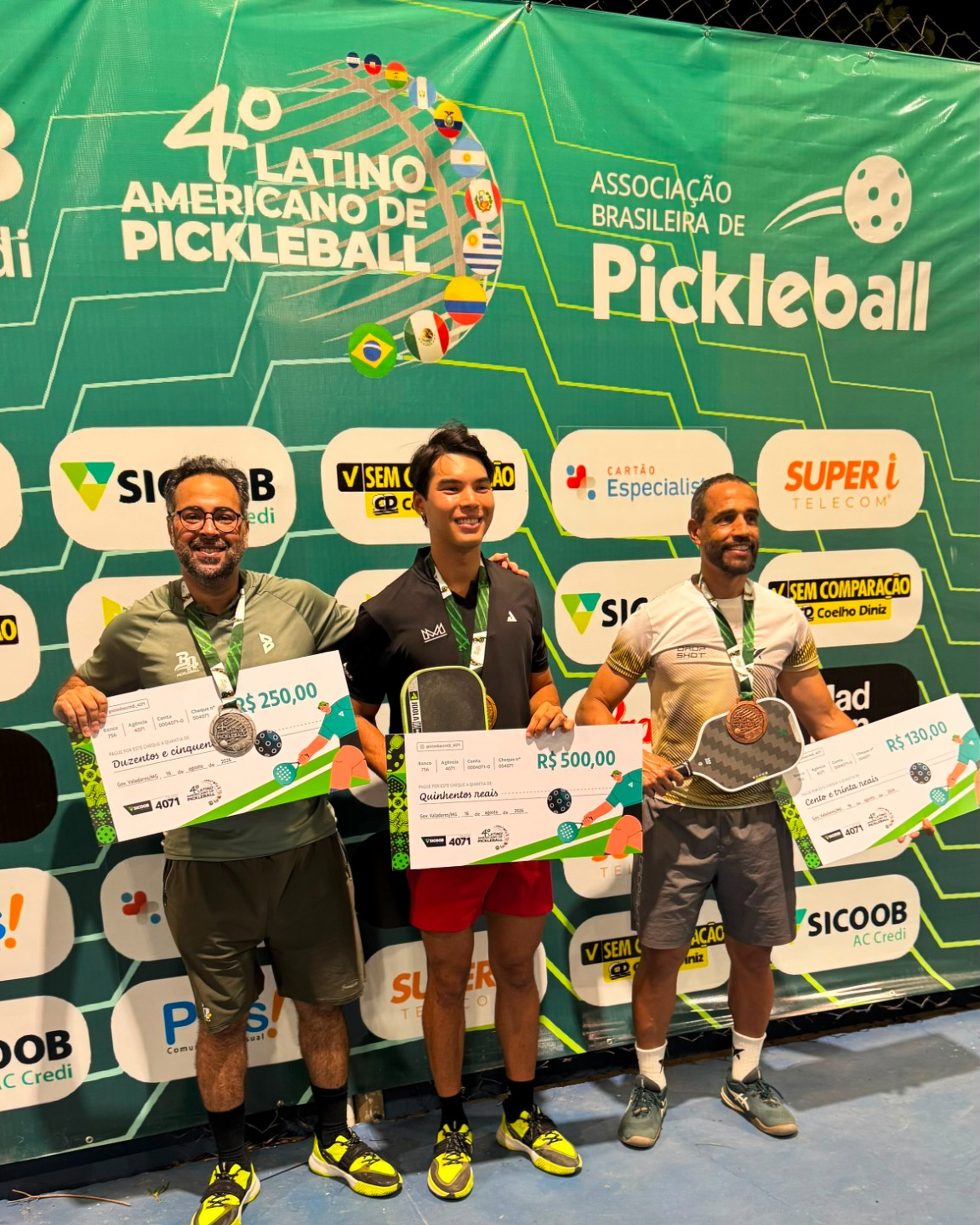
Then the matches finished and everyone remained in the same building.
The Arena After Dark
The change in atmosphere is central to understanding why the tournament has lasted.
During play, Arena BPS is a competitive space. Every point matters. Partners communicate under pressure. Opponents search for weaknesses. The mood carries the tension of a serious event.
Later, that tension lifts.
Music fills the arena. Players revisit matches without having to relive the result. Organisers become hosts. Visiting competitors encounter something distinctively Brazilian, while bringing parts of their own culture into the room.
Rock and samba sit alongside music from across Latin America. The mixture mirrors the tournament itself. It belongs to Governador Valadares, but it is open to influence from every country represented there.
This social element is not an accessory. It helps the event do work that competition alone cannot accomplish.
A match may introduce two players. An evening together allows them to know one another. That can lead to future invitations, training exchanges and journeys to events in other countries. The regional network grows through personal relationships before it appears in any formal structure.
A City With Its Own Pickleball Identity
Governador Valadares did not wait for a professional tour to give it a place in the sport.
Its pickleball identity was built locally. Coelho introduced equipment and created opportunities to play. A club trained athletes and formed a community. Silva and Fróes developed the venue into a larger operation. The tournament gave that work an international reach.
That sequence offers a useful picture of how pickleball grows outside its most established markets.
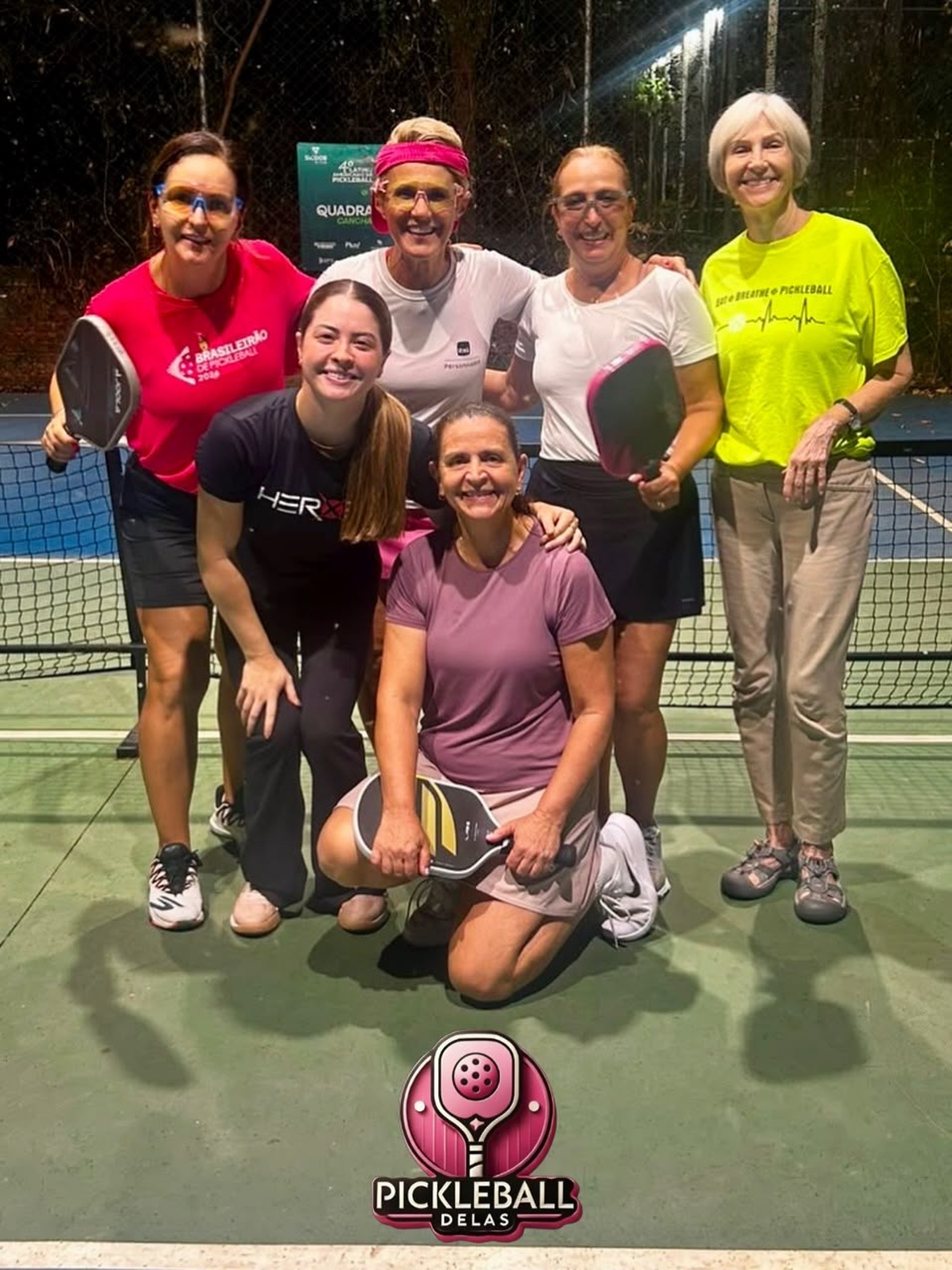
Someone has to provide the first paddles. Someone has to teach the first group. Someone has to keep the courts active when the early novelty fades. Eventually, someone has to turn enthusiasm into an organisation capable of lasting.
The work is rarely glamorous. Its value becomes visible years later, when eight courts are full and players from different countries are making plans to return.
Arena BPS is evidence of what can happen when a local pickleball community develops around its own circumstances. The venue borrows nothing from the culture of a conventional country club. It reflects the city around it: busy, social, musical and comfortable allowing sport and entertainment to occupy the same space.
What Travels Home
After four editions, the Latin American Pickleball Tournament has become more than a recurring date on the calendar.
Its legacy can be found in the relationships carried away from Governador Valadares. Players return home with new opponents to contact, different ideas about the game and invitations to visit another court in another country.
They also leave with memories that have little to do with the score.
A medal records who won. It cannot contain the late conversations, the music, the languages crossing the room or the moment a former opponent became a future host.
Those experiences explain why people return.
In Governador Valadares, the matches produce champions.
The nights produce a region.
For a clearer view of where the sport is heading each week, you can join the World Pickleball Report here.

Chris Beaumont
Founder and Editor-in-ChiefChris Beaumont is the founder and Editor-in-Chief of World Pickleball Magazine. Chris follows the global game closely, reporting on the latest news, developments, stories and tournaments from all five continents. He also hosts the World Pickleball Podcast, interviewing people at…
View All Articles →