
The Report
Five Players To Watch At WPC England
World Pickleball Report
Five Players To Watch At WPC EnglandSome tournaments are not only about who wins.
They are about who gets noticed.
Who uses the stage well. Who looks ready for something bigger. Who turns a weekend in Leeds into a stronger case for where they might belong next.
That is the sharper story behind WPC England 2026.
This is the World Pickleball Report.
Today’s edition is about pathways.
At WPC England, five players arrive in Leeds with different kinds of opportunity: a home favourite chasing a bigger profile, a Blackburn-based competitor with the athleticism to trouble opponents, a father and son carrying local intrigue, and one of Britain’s strongest female players looking for another statement result.
Elsewhere, the same question appears in different forms. APP is trying to organise Europe. Sri Lanka is designing events around women. JOOLA is pushing paddle innovation into a patent-led era. Around the world, the sport is starting to ask who gets access, who gets structure and who gets control.
Pickleball has plenty of energy.
The harder question is whether that energy now has somewhere meaningful to go.

Lead Feature: Five Players Who Could Shape WPC England
WPC England begins on Friday at Leeds’ John Charles Centre for Sport, and the temptation is to treat it as another large event on a busy calendar.
That would miss the point.
For Joshua Bright, this is a home-stage chance to strengthen his case as one of Britain’s leading men. For Millie Smythe, it is another opportunity to show that British women can challenge for honours in major European fields. For Michal Cicvak and Michal Cicvak Jr, it brings together experience, family connection and the atmosphere of a familiar Leeds venue.
Rachel McCrae adds another kind of story. Based in Blackburn, she may not arrive with the highest rating profile, but her athleticism, intensity and tournament experience could make her an awkward opponent in the women’s field.
What matters: events like this are where pathways become visible. Rankings, reputations and future opportunities are not built in theory. They are built through weekends where players step onto a bigger stage and prove they are ready to stay there.
Read Five Players Who Could Shape WPC England 2026
Pressure Points: Who Organises Europe?
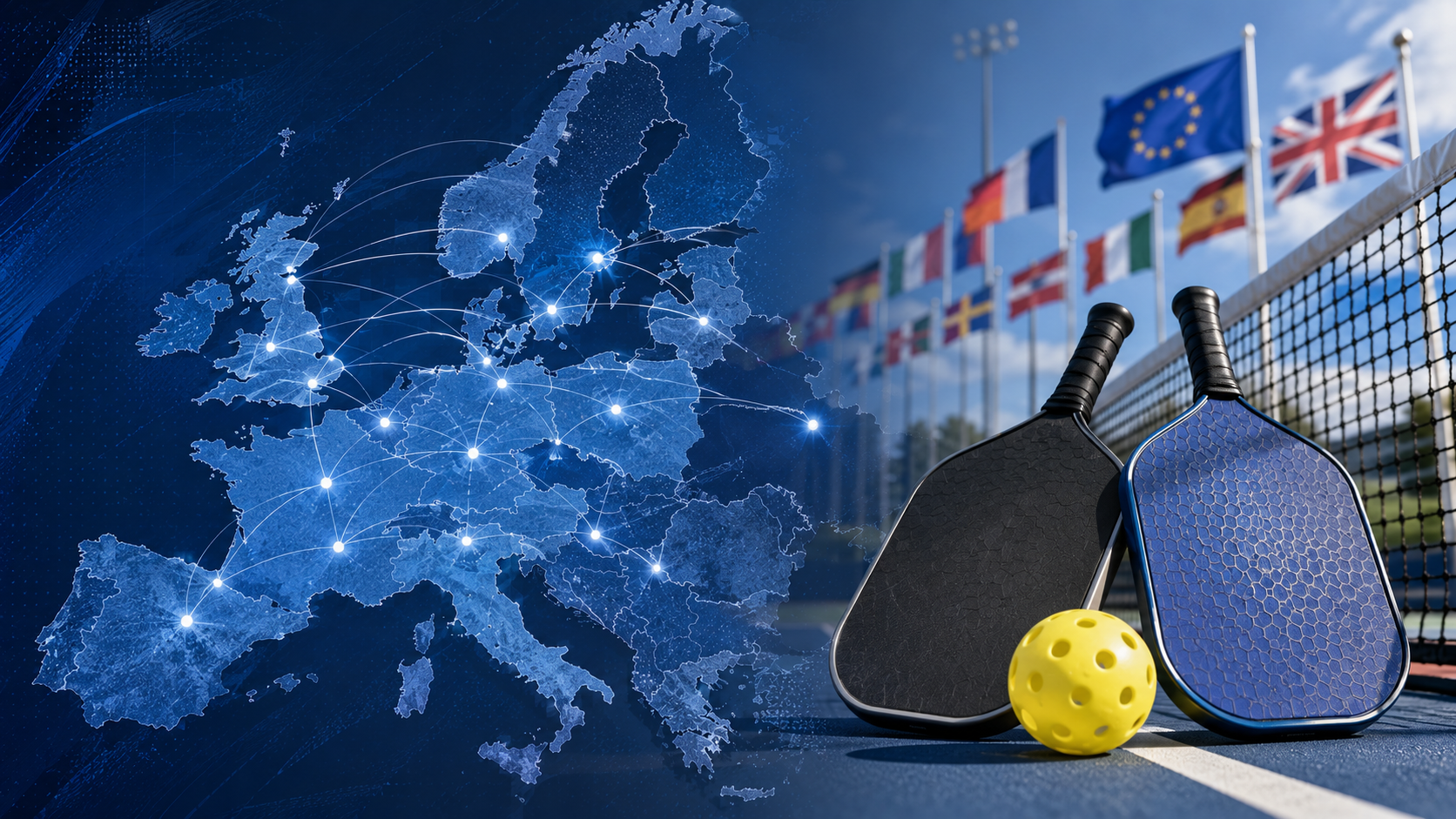
The APP’s expanded partnership with the European Pickleball Federation is not only about a tournament in Antalya.
It is about structure.
Europe has activity everywhere: federations, independent tournaments, national events, regional circuits and ambitious organisers. What it does not yet have is a single, universally understood route through the noise.
APP appears to be making a bet that international influence will not come only from prize money or elite names. It may come from becoming the organisation that makes the map easier to read.
What matters: if pickleball never gets one universally accepted global structure, players may simply follow whichever ecosystem gives them the clearest next step.
Read the APP and European pickleball analysis

The Reset: Sri Lanka Designs The Doorway
Dinking Divas 2026 could easily be described as Sri Lanka’s first women-only pickleball tournament.
That is true, but it is not the most interesting part.
The more useful story is that The Pickle Assembly saw a participation gap, particularly among women over 40, and chose to design an event around it rather than waiting for the issue to fix itself.
Playful Divas, Precision Divas, Power Divas and Timeless Divas are not standard bracket names. They suggest a different idea of competition: one that recognises confidence, comfort and first experience as part of participation.
What matters: younger pickleball markets may have an advantage older sports rarely get. They can decide who they want the sport to include before exclusion becomes tradition.
Read the Sri Lanka women’s pickleball feature
Beyond The Paddle: Pickleball’s Patent Era
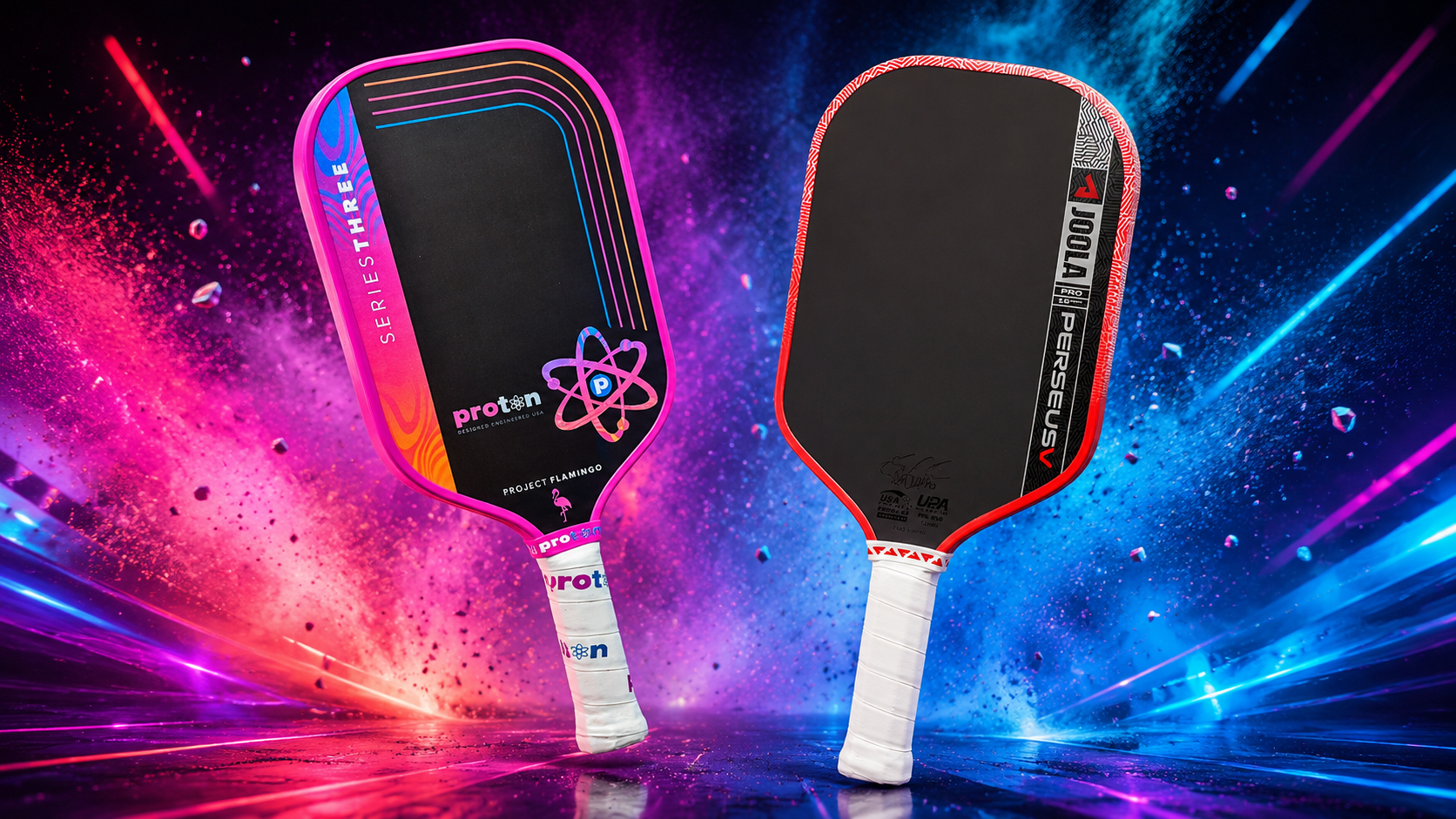
JOOLA’s settlement with Proton is not likely to change what most players do at their local club this weekend.
But it may say something important about the industry behind the equipment.
Proton becomes the latest manufacturer to settle claims connected to JOOLA’s Propulsion Core technology. Remaining affected inventory can be sold through the summer, but with JOOLA branding, patent references and royalty payments attached.
That shifts the conversation from who makes the newest paddle to who owns the ideas inside it.
What matters: the sport’s equipment race is no longer only about performance. It is about patents, licensing, leverage and whether smaller brands can still innovate freely around protected technology.
Read the JOOLA and Proton patent analysis

The Wider View: The Small Signals Still Matter
Today’s global roundup is useful because it refuses to treat every story as equally large.
Kelly Goodnow becoming the youngest gold medallist in PPA Tour history is a real signal. France’s largest pickleball weekend matters because the sport is sitting inside an existing tennis framework. India naming junior World Cup squads tells us something about performance pathways. Paraguay’s free beginner sessions show how access is being built at the first-contact level.
And Danni-Elle Townsend’s table tennis background points towards a different kind of talent pipeline entirely.
What matters: the sport’s next phase will not be explained by one huge announcement. It will be explained by hundreds of smaller decisions about players, events, access, training and structure.
Read Around the Pickleball World
From The Magazine: The Structures Behind The Stories
Today’s edition is full of pathways: player pathways, European pathways, participation pathways and commercial pathways.
The June issue spends a lot of time in that same territory.
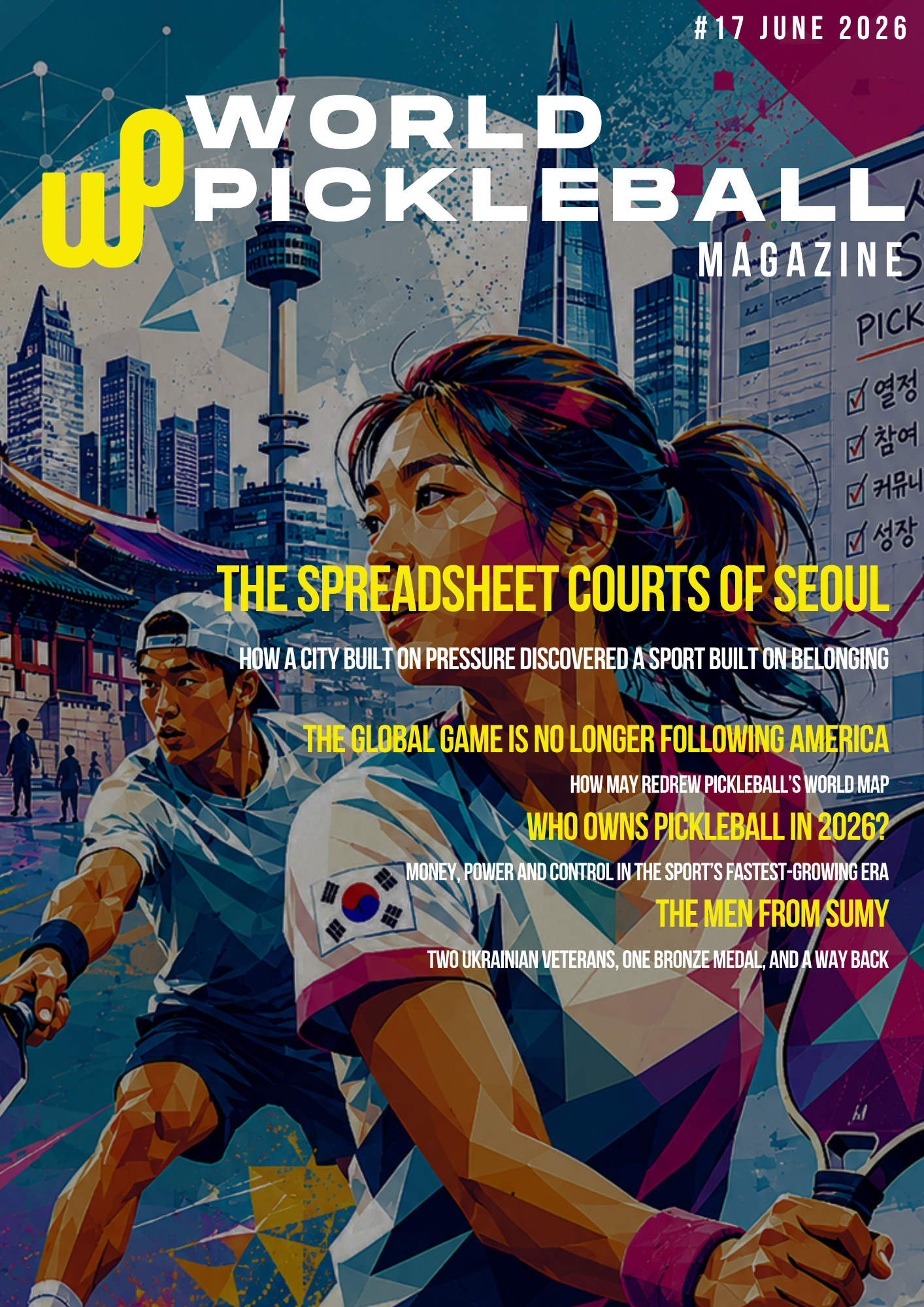
The New World Order looks at how May redrew the global map. APP Asia Tour Launches Six-Country Circuit gives useful context to APP’s broader international strategy. The Lab asks who controls pickleball’s technological future.
They are different stories, but they ask versions of the same question.
Who is building the routes others will eventually follow?
Read APP Asia Tour Launches Six-Country Circuit
From The June Issue: Building First Experiences
The Sri Lanka story belongs beside two of the June issue’s strongest community pieces.
Paddles In The Game looks at pickleball’s first big test in Uganda’s schools. The Tanzania Open Has Outgrown Itself captures what happens when a local event becomes larger than the structure originally built around it.
Neither is just about adding players.
They are about designing the first encounter people have with the sport.
Read The Tanzania Open Has Outgrown Itself
One Thing To Watch
Watch how often the next serious pickleball story is really a pathway story.
Not just who won.
Who gets to play next.
Who gets seen.
Who gets organised.
Who gets licensed.
Those questions may not sound as dramatic as a final.
But they will shape far more than one weekend.
What Matters Most
Today’s stories are not held together by geography.
They are held together by opportunity.
In Leeds, opportunity belongs to players trying to turn a strong weekend into a stronger reputation.
In Europe, it belongs to organisations trying to make the sport easier to navigate.
In Sri Lanka, it belongs to women being given an event designed around them rather than after them.
In equipment, it belongs to whoever controls the technology shaping the next generation of paddles.
The sport is not short of momentum. What matters now is where that momentum is allowed to lead.
Download The June Issue
The June issue looks beyond daily results to the people, structures and decisions shaping pickleball around the world.
Today’s Report follows the pathway question.
The magazine gives you the wider map.