
The Report
Pickleball’s Joy Problem
World Pickleball Report
Pickleball’s Joy ProblemFor years, pickleball has sold itself on joy.
The laughter. The accessibility. The second chances. The feeling that this sport could be different.
Today’s lead story asks a harder question.
What happens when the thing people love becomes the thing they cannot escape?
This is the World Pickleball Report.
Today’s edition is about sustainability.
Rafa Lenhard found pickleball after tennis burnout. Hannah Johns stepped away after years on tour. Zane Ford’s Beijing debut shows another side of the same professional machine: travel, ranking pressure and global comparison. The Philippines reminds us why the sport still feels alive in the first place.
The sport is not short of momentum.
The question is whether the people inside it can keep carrying the load.

Lead Feature: The Sport That Saved One Career And Exhausted Another
Rafa Lenhard and Hannah Johns are not telling the same story.
That is why the comparison works.
Lenhard found pickleball after tennis had become too tangled with identity, performance and pressure. Johns stepped away after professional pickleball became airports, hotels, preparation, broadcasts and the inability to switch off.
One arrived at pickleball and found meaning again.
One left the tour to get her life back.
What matters: pickleball’s next challenge may not be convincing people to take it seriously. It may be making sure seriousness does not hollow out the joy that made people love it.
Read the burnout and workload feature

Pressure Points: Zane Ford Enters The Measuring-Stick Week
Zane Ford’s PPA Tour Asia debut in Beijing is not only a tournament note.
It is a test of comparison.
How does a top-10 American singles player travel into the Asian circuit? How much resistance is waiting? How real is the gap?
Beijing matters because global pickleball still needs more direct evidence. Rankings tell part of the story. Cross-tour matches tell us more.
What matters: the sport cannot become genuinely global until its best ecosystems keep testing each other.
Read the Zane Ford Beijing preview
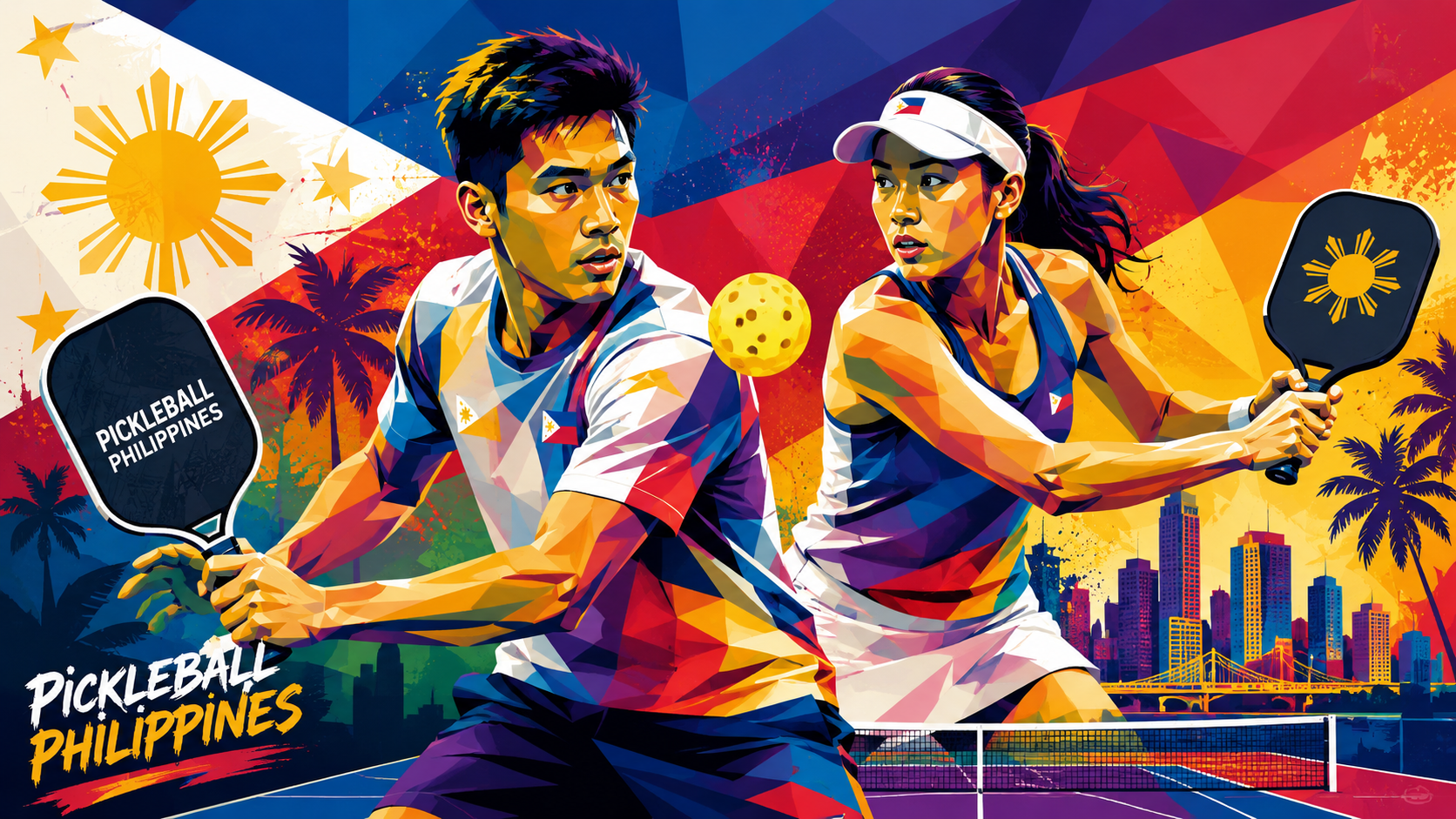
Beyond The Score: The Philippines Still Has The Feeling
The Philippines story matters because it gives us the other side of today’s lead.
Before the pressure hardens, before the calendar tightens, before the sport becomes work, there is the first rush of belonging.
Players turning up in brutal humidity. Crowds staying for hours. Fans asking for autographs on phone cases, shirts and towels. Clinics filled with people hungry for one more detail.
That is not a spreadsheet story.
That is the feeling every professional sport spends years trying not to lose.
What matters: if pickleball wants to understand its future, it should pay attention to the places where the sport still feels new.
Read why pickleball feels different in the Philippines
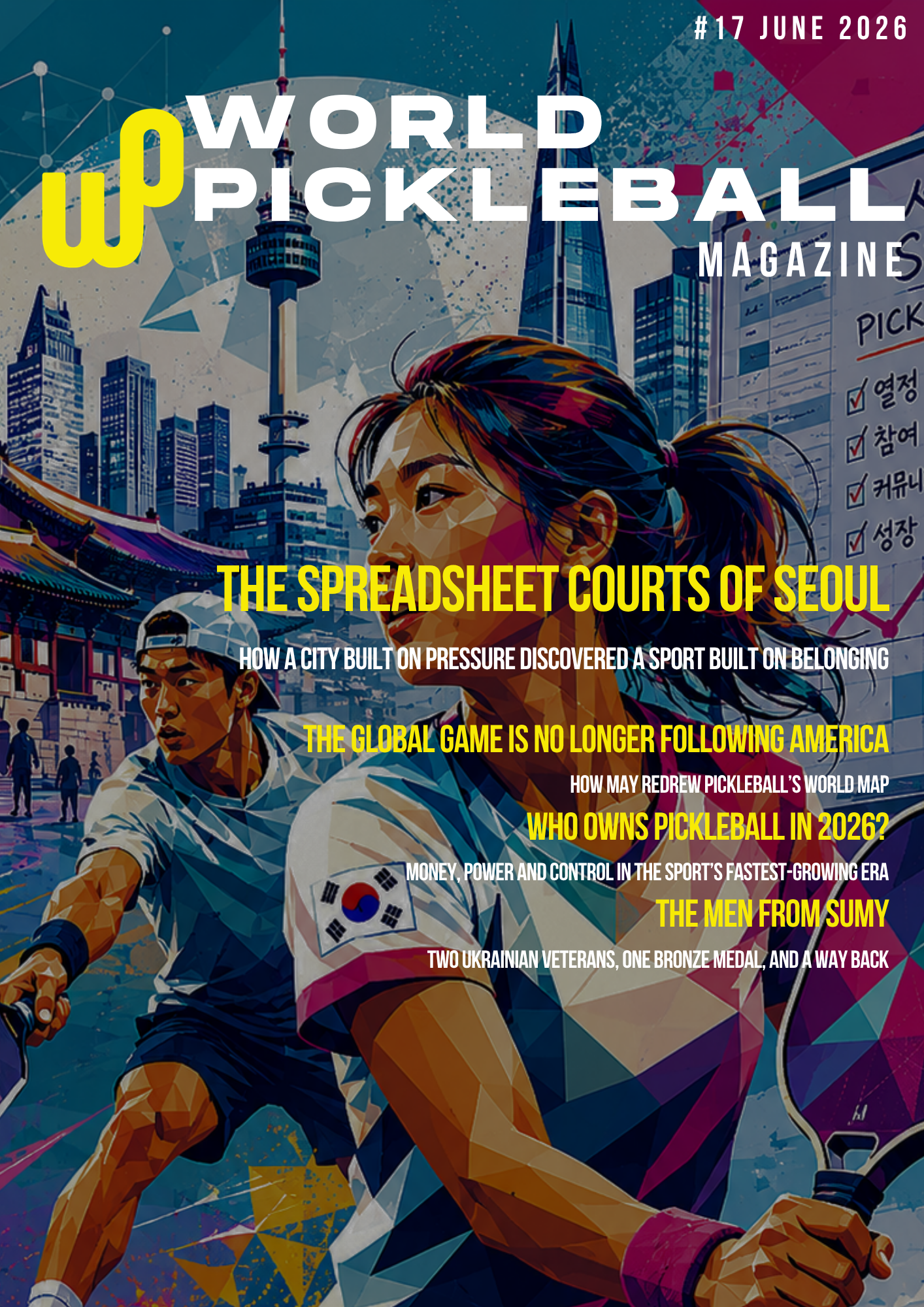
The Reset: The June Issue Is About The Bigger System
Today’s stories all circle the same problem.
What kind of sport is pickleball becoming?
The June magazine spends more than 100 pages asking that question from different angles: global competition, new markets, culture, governance, performance, media, ownership and the people building the sport outside the obvious centres of power.
Start with The New World Order, our look at how May redrew the global map. Then read The Spreadsheet Courts of Seoul, which explains why South Korea’s pickleball ecosystem feels so distinct.
Read The Spreadsheet Courts of Seoul
From The June Issue: Pathways Before Pressure
If today’s lead story is about workload, the natural counterpoint is development.
How do players enter the sport? Who gets access? Who is supported before pressure arrives?
That is why two June pieces feel especially relevant today.
Paddles In The Game examines pickleball’s first big test in Uganda’s schools. Asia’s First Full-Residence Pickleball Academy looks at what structured development could mean in Hainan.
Both pieces are about the same thing: building pathways before the professional machine gets too loud.
Read the Uganda schools feature
Read the Hainan academy feature
One Thing To Watch
Watch how often workload becomes part of the professional conversation over the next year.
Not just injuries.
Not just travel complaints.
The wider question.
Can players, broadcasters, coaches, staff and content teams build real careers in this sport without living permanently on the edge of exhaustion?
That is no longer a soft question.
It is an infrastructure question.
What Matters Most
Today’s stories are not really about burnout, Beijing or the Philippines.
They are about the same sport at three different stages.
In the Philippines, pickleball still feels like discovery.
In Beijing, it feels like comparison.
In the Lenhard and Johns feature, it feels like consequence.
That is the lifecycle serious sports eventually enter.
First people fall in love.
Then they test themselves.
Then the system asks more of them.
Pickleball’s future will not only depend on how many people it attracts. It will depend on whether it can protect the feeling that attracted them in the first place.
Download The June Issue
The June issue is built around the forces sitting underneath the daily headlines: global maps, player pathways, emerging markets, culture, performance and the question of who gets to shape pickleball’s next era.
Today’s Report gives you the signal.
The magazine gives you the full field.