
Anna Leigh Waters stepping away from singles in Hanoi is not a minor adjustment. It is the clearest sign yet that professional pickleball is asking too much of the players carrying its growth.
- The current pickleball calendar is pushing elite players beyond sustainable limits
- Multi-draw weeks and long-haul travel are compounding the strain
- If the structure does not change, more withdrawals and injuries will follow
Pickleball has a schedule problem.
Hanoi has made that impossible to ignore.
Anna Leigh Waters withdrawing from singles at the Hanoi Cup is not a footnote to the week. It is the clearest signal yet that the sport’s calendar is beginning to work against the very players it depends upon.
Eight tournaments in three months. Three disciplines in the same week. Cross-continental travel layered on top.
That is not demanding. It is unsustainable.
This is not a calendar. It is a workload model that assumes players will not break.
Growth without restraint is overreach
For a while, professional pickleball has been able to hide behind momentum. More events looked like growth. More markets looked like ambition. More appearances by the biggest names made the sport feel busy, visible, alive.
But growth without restraint is not strength. It is overreach.
Waters has not launched a public complaint. She has not boycotted the event. She has not stepped away from competition altogether. She has simply reduced her workload by dropping the most physically punishing discipline.
That should concern everyone running the sport.
This is how strain shows up in sport. Not in collapse, but in compromise.
The warning signs rarely arrive with drama. They appear in small decisions made by players who know they cannot keep saying yes to everything.
Waters is the most dominant player in the women’s game. She has spent the past two years making an extreme schedule look manageable because she keeps winning. That is precisely why this moment matters. Dominance can hide fatigue. It cannot remove it.
If a player of her level is beginning to draw boundaries, the problem is no longer theoretical.
Pickleball is asking the wrong question
Right now, the sport is built around one assumption: that its top players will absorb the burden.
They will play singles, doubles and mixed. They will travel week after week. They will move from one market to the next because the sport needs stars in every bracket, every poster, every highlight reel.
That model is convenient for tours. It is dangerous for players.
At some point, players will stop absorbing it. When they do, the calendar will not look ambitious. It will look careless.
Other global sports learned this years ago. Elite athletes cannot be treated as endlessly available. Recovery is not a luxury. It is part of the structure. If it is not built in, the cost simply turns up somewhere else.
Pickleball has not fully accepted that yet.
Instead, it has created an ecosystem where constant participation feeds rankings, visibility, and commercial value. The incentive is obvious. Keep showing up or risk losing ground.
That might work in the short term. It is a poor way to build a sport meant to last.
What a better calendar would look like
This is not an argument against growth. Pickleball should expand. Asia matters, and the global game should continue to broaden. But a better calendar matters too.
The sport needs clearer rest windows. It needs more intelligent spacing between events. It needs a structure that does not quietly punish players for protecting themselves.
Most of all, it needs to stop confusing availability with durability.
They are not the same thing.
This should change how we read the sport
Tournament coverage and results should not be treated as isolated brackets and trophy counts. The workload behind them matters. The physical trade-offs matter. The schedule is part of the story now, whether the tours want it to be or not.
Anna Leigh Waters pulling out of singles in Hanoi is not a crisis. It is an early warning, and the sport would be foolish to ignore it.
Because the path from exhaustion is predictable. First come compromises. Then come withdrawals. Then come injuries.
By that point, the conversation will be late.
Stay ahead of the global game by signing up for the World Pickleball Report.
Growth is not the risk.
Believing the players will carry it forever is.
Further Reading
- Latest pickleball news from around the world
- Tournament coverage and results
- Rankings and player profiles
- Regional pickleball coverage
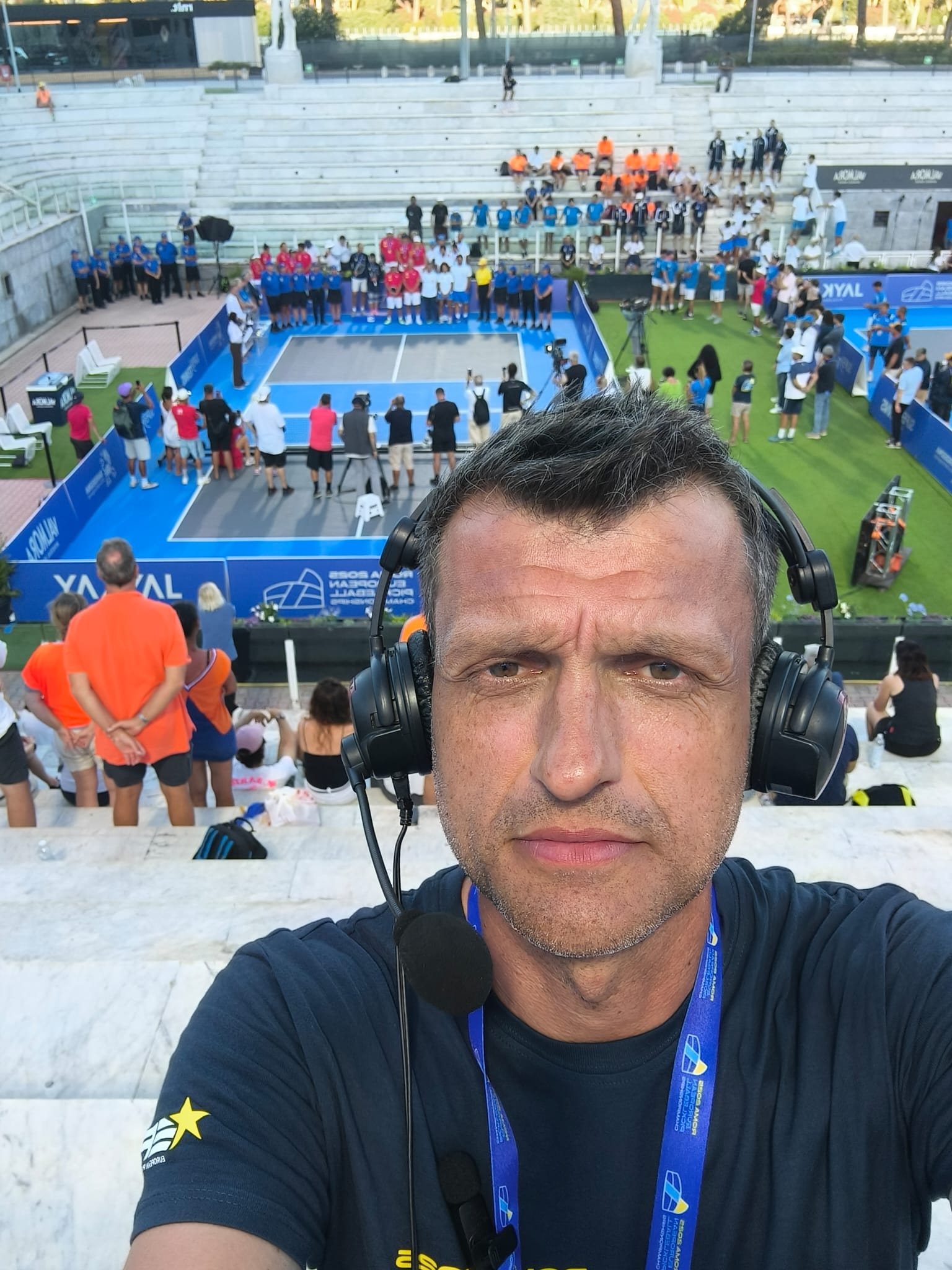
Chris Beaumont is the founder and Editor-in-Chief of World Pickleball Magazine. Chris follows the global game closely, reporting on the latest news, developments, stories and tournaments from all five continents. He also hosts the World Pickleball Podcast, interviewing people at all levels of pickleball. Chris is also an avid player, currently struggling to make the breakthrough from 4.0 to 4.5.