

Enjoying our coverage?
The March 2026 issue of World Pickleball Magazine is now live, featuring global league developments, tournament analysis, exclusive interviews, and stories from across the international pickleball community.
Follow @worldpickleballmagazine on Facebook and Instagram for daily pickleball news, and listen to the World Pickleball Podcast on Spotify, iTunes, and other major podcast platforms.
Rome Delivers a Tournament That Felt Bigger Than a Weekend Stop
The conclusion of the Rome Open Championship VI delivered a definitive statement regarding the current trajectory of European racket sports. Hosted across the Standout Arena and the Augustea Club in the Italian capital, the tournament drew a massive contingent of international competitors alongside a rapidly expanding domestic field. Rather than a simple gathering of enthusiasts, the weekend felt like a genuine, high-stakes professional tour stop. The speed of the rallies, the tactical discipline on display, and the sheer depth of the entry list provided irrefutable evidence that the European circuit is quickly rising to meet the global standard.
Thaddea Lock Owned the Weekend
The defining narrative of the championship belonged entirely to Thaddea Lock. Arriving in Rome as one of the continent’s most formidable talents, Lock systematically dismantled the competition to secure a magnificent Triple Crown. Her campaign began with a commanding victory in the Women’s Singles Open 19+ division, where she outpaced Klaudia Suchocka and Ellie Tomkinson to claim gold. She then partnered with Tomkinson in the Women’s Doubles, navigating a challenging draw to reach the top of the podium. The sweep was completed in the Mixed Doubles Open 19+ category, where Lock joined forces with James Chaudry to secure her third gold medal of the weekend. Chaudry himself enjoyed a remarkably successful tournament, adding the Men’s Singles Open 19+ title to his haul after defeating James Ling in the final.
The Men’s Doubles Final Set the Competitive Standard
While Lock’s Triple Crown commanded the headlines, the Men’s Doubles Open 19+ final provided the most intense athletic spectacle of the weekend. The established partnership of Ben Cawston and Théo Platel reaffirmed their status as the premier pairing in Europe, dominating the field to take the gold. Their final clash against the duo of Charles Bowen Rayner and James Chaudry was widely regarded by those in attendance as one of the highest-quality matches contested on European soil this year. The blistering hand speed at the non-volley zone and the relentless offensive pressure applied by both teams highlighted a significant step forward in continental play.
Italian Depth Added Weight to the Story
Beyond the elite international competitors, the tournament also highlighted the rapid maturation of the Italian domestic scene. Local players secured medals across numerous categories, signalling that the host nation is actively building a robust foundation of competitive talent. Standout domestic performances included Alessio Logrippo claiming gold in the Men’s Open 50+ division, while Alessandro Di Giulio and Chiara Francia secured impressive victories in their respective 3.5 rating categories. Further success came from the veteran ranks, with Paola Tampieri and Natascia Sciolti securing gold in the Women’s Doubles Open 50+, and the pairing of Augusto Avanzini and Juan Carlos Hintze Martinez dominating both the Men’s 50+ and 60+ doubles divisions.
The Clinic Before the Event May Matter Just As Much
An interesting contextual layer to the Rome Open was the clear commitment to structural development alongside the main competition. Before the tournament officially began, the weekend was prefaced by a Pro Clinic led by Cawston, Chaudry, and Lock. This willingness of the top European professionals to actively coach and share tactical insights with the broader player base is a crucial element of the sport’s regional growth. It ensures that the tactical sophistication seen at the elite level filters down through the competitive divisions.
Rome Suggested a More Sophisticated European Style
Historically, European tournament play has heavily favoured aggressive baseline drives, a natural byproduct of the continent’s deep tennis heritage. However, the Rome Open indicated a clear tactical evolution. Competitors across Europe are demonstrating a far deeper understanding of the soft game. The evidence of this education was apparent on the courts at the Augustea Club, where matches in the intermediate brackets were increasingly decided by intelligent shot placement, cross-court dinking, and disciplined kitchen play rather than raw power or unforced errors.
This No Longer Looks Like a Secondary Circuit
As the medals were distributed at the Standout Arena, the implications of the Rome Open Championship VI became exceptionally clear. The European circuit is no longer a secondary market waiting for American professionals to validate it. With athletes like Lock, Cawston, and Chaudry producing exceptional performances, and domestic organisations like Roma Pickleball executing large-scale events with total professionalism, the infrastructure for a permanent, highly competitive continental tour is now firmly in place. As players return to their respective countries across Europe, the standard of play has been unequivocally raised, setting a formidable benchmark for the remainder of the competitive season.
Stay ahead of the global game by signing up for the World Pickleball Report, delivered every Wednesday.
Further Reading
- Latest pickleball news from around the world
- Tournament coverage and results
- Rankings and player profiles
- Regional pickleball coverage
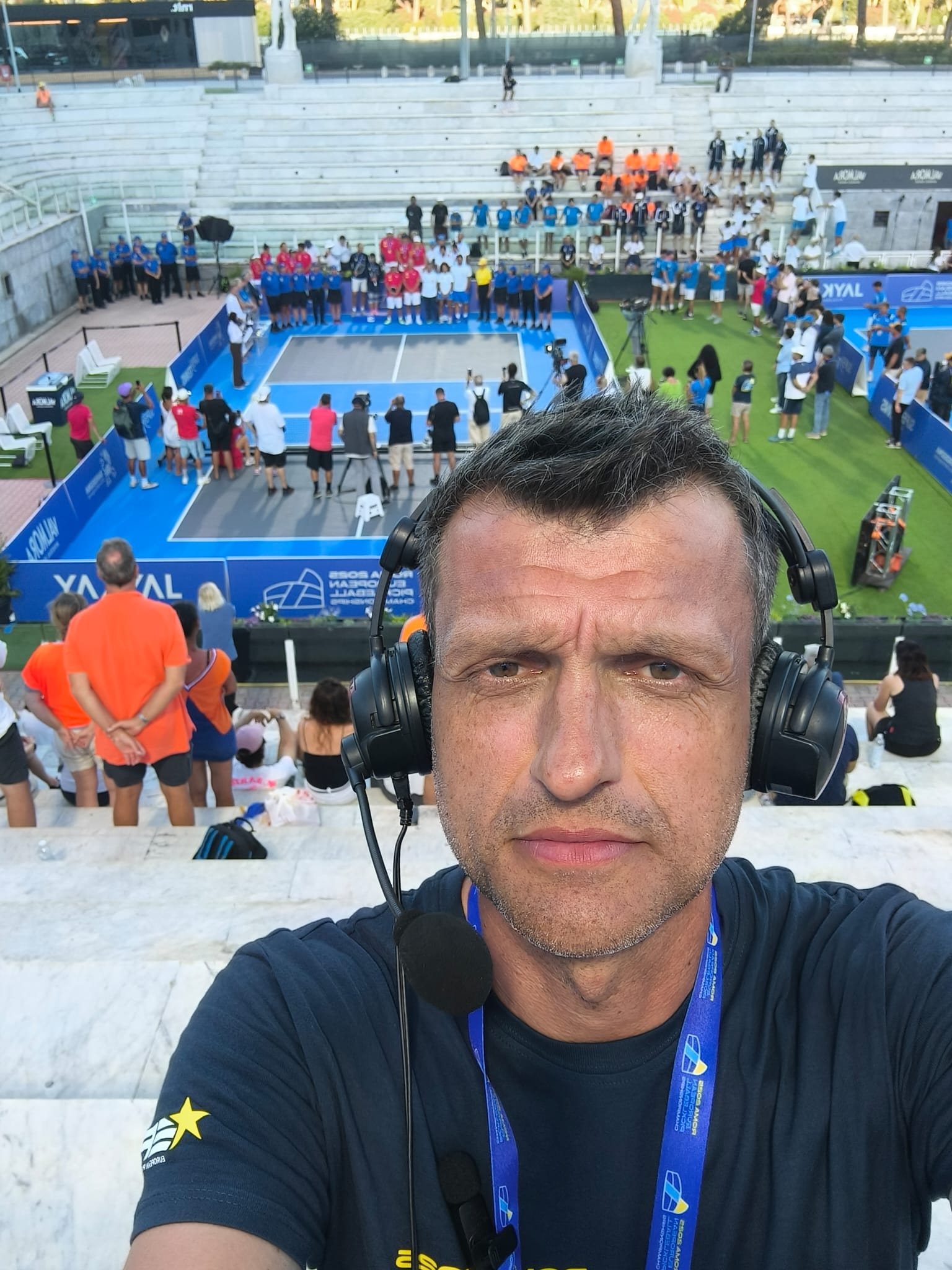
Chris Beaumont is the founder and Editor-in-Chief of World Pickleball Magazine. Chris follows the global game closely, reporting on the latest news, developments, stories and tournaments from all five continents. He also hosts the World Pickleball Podcast, interviewing people at all levels of pickleball. Chris is also an avid player, currently struggling to make the breakthrough from 4.0 to 4.5.