

The March 2026 issue of World Pickleball Magazine is now live, featuring global league developments, tournament analysis, exclusive interviews, and stories from across the international pickleball community.
Follow @worldpickleballmagazine on Facebook and Instagram for daily pickleball news, and listen to the World Pickleball Podcast on Spotify, iTunes, and other major podcast platforms.
Seoul has officially staked its claim in the rapidly expanding Asian pickleball landscape with the unveiling of a significant new public facility. Situated along the iconic Han River, the Gwangnaru Pickleball Complex represents a major civic investment by the South Korean capital, transforming prime parkland into a dedicated hub for the sport.
Why South Korea is now moving more seriously into pickleball
South Korea has observed the surging international popularity of the sport throughout the 2020s and is now actively moving to establish its own domestic footprint. While early adoption in the country has been enthusiastic, it has often been constrained by a lack of purpose-built infrastructure. The demand for accessible, multi-generational leisure activities has risen sharply in urban centres like Seoul, creating a clear mandate for local authorities to rethink how public spaces are allocated to accommodate modern recreational trends.
Inside Seoul’s new Gwangnaru Pickleball Complex
The new Gwangnaru complex addresses this growing demand head-on. Spanning approximately 4,000 square metres near the existing soccer fields at the Han River Park Information Center, the facility boasts 14 dedicated courts, a management office, waiting zones, and rest facilities. To mark the launch, the city is hosting a comprehensive two-day opening event at the end of March. The festival format clearly targets broad community integration, featuring competitive club divisions alongside international team categories. The organisers are also pushing grassroots adoption by running ‘Three-Generation Family’ sessions, ‘Easy Pickleball’ beginner clinics, and specific programming for foreign residents.
What this says about the next phase of global expansion
This development in Seoul fits neatly into a wider pattern currently defining the sport’s global expansion. Across the world, we are increasingly seeing municipal governments step in where private enterprise previously led the way. By integrating large-scale pickleball facilities into highly visible, culturally significant public spaces like the Han River parks, city planners are treating the sport as a permanent fixture of urban civic life rather than a passing trend. Furthermore, it reinforces the accelerating momentum of the game across Asia, demonstrating that major civic bodies are now willing to dedicate substantial swathes of premium real estate to court construction.
How Seoul could shape the next wave of civic investment
According to Park Jin-young, head of Seoul’s Future Han River Headquarters, this complex provides a new space where citizens can easily enjoy physical activity, and it signals a broader initiative to modernise the city’s recreational offerings. If the 14-court Gwangnaru site successfully captures the public imagination and sustains high foot traffic, it will likely serve as the blueprint for further municipal projects. Ultimately, Seoul’s willingness to commit prime civic land to the game provides a powerful catalyst for South Korea’s emergence as a serious participant in the worldwide pickleball community.
Stay ahead of the global game by signing up for the World Pickleball Report newsletter.
Further Reading
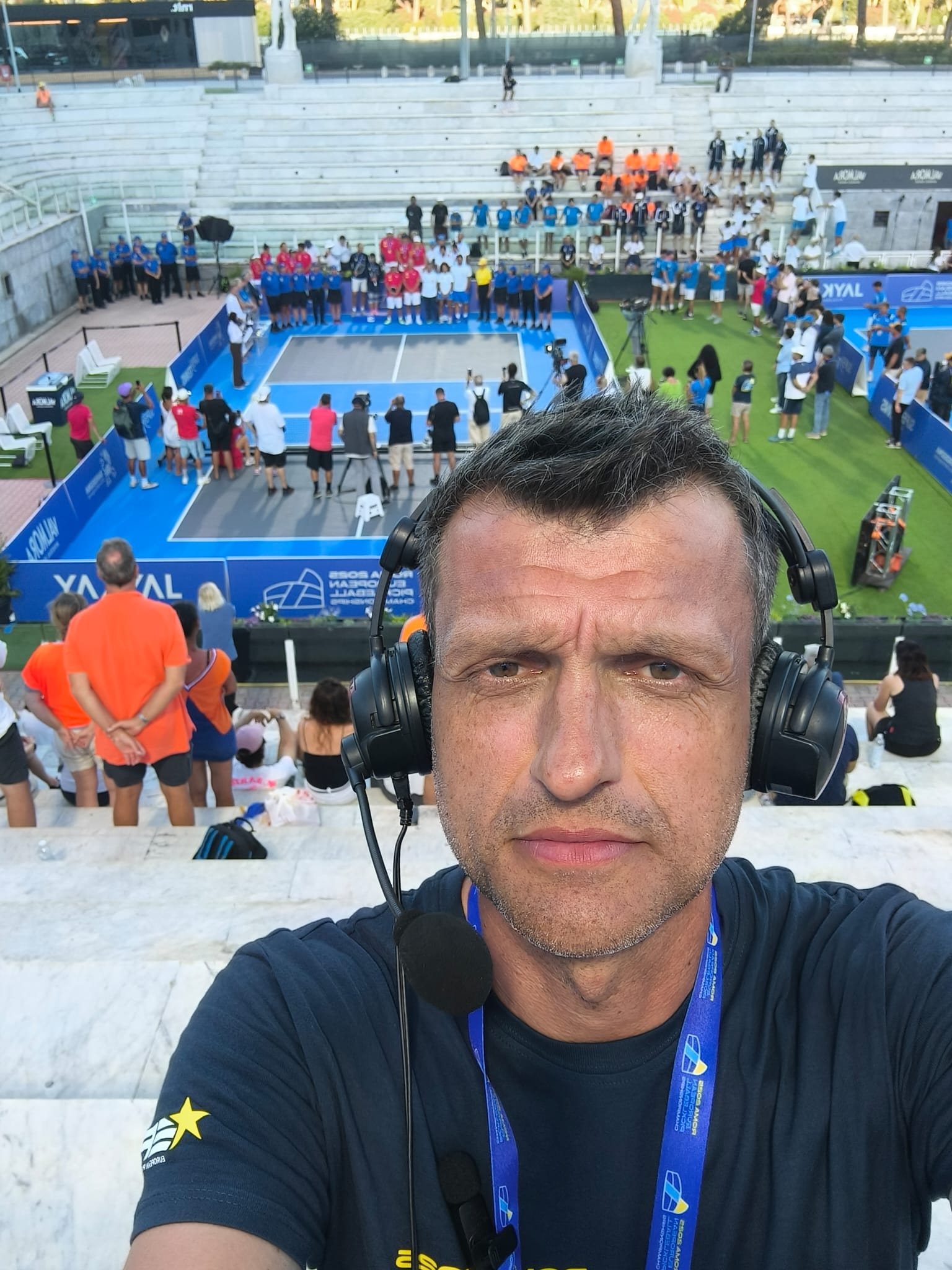
Chris Beaumont is the founder and Editor-in-Chief of World Pickleball Magazine. Chris follows the global game closely, reporting on the latest news, developments, stories and tournaments from all five continents. He also hosts the World Pickleball Podcast, interviewing people at all levels of pickleball. Chris is also an avid player, currently struggling to make the breakthrough from 4.0 to 4.5.