

The next phase of the Asian pickleball season is not just busy. It is beginning to resemble the structure, pressure and commercial ambition of a fully connected professional tour.
- PPA Tour Asia has confirmed a dense run of events leading into the season-ending Hong Kong Slam.
- The tour’s choice of host cities points to a clear focus on commercial, financial and media centres across the region.
- The expanding calendar may strengthen the professional ecosystem, but it also raises questions around travel strain, cost and sustainability for players.
The most important detail about the Asian pickleball calendar right now is not the number of events.
It is the lack of breathing room.
Following the Panas Kuala Lumpur Open, PPA Tour Asia now moves almost immediately into an aggressive sequence of tournaments stretching across Macao, Beijing, Tokyo, Singapore, Ho Chi Minh City, Shenzhen and Hong Kong between late May and October.
Individually, each stop looks logical.
Together, they reveal something bigger.
The Asian circuit is beginning to move away from isolated tournament weekends and toward something far more connected: a year-round professional system with commercial rhythm, narrative continuity and escalating stakes.
A Calendar Built Without Much Breathing Room
The upcoming Macao Open will run from May 28-31 before the tour moves to the Beijing Open in June and the Sansan Tokyo Open in early July. Singapore follows later that month, with Ho Chi Minh City and Shenzhen continuing the calendar through August ahead of September’s Kuala Lumpur Cup.
The season will then conclude with the Hong Kong Slam in October, which is expected to feature the largest prize pool of the Asian season.
That positioning feels deliberate.
The strongest sports tours understand that seasons need rhythm. They need peaks, flagship moments and events that feel bigger than standard ranking stops.
Hong Kong is increasingly being shaped to fill that role for Asian pickleball.
If you’re following how the global game is shifting week by week, the World Pickleball Report breaks this down every day in our morning briefing.
Why the Host Cities Matter
The wider city strategy also matters.
The tour is not simply targeting places where pickleball participation is rising. It is positioning itself inside some of Asia’s most commercially important urban centres.
Tokyo offers media reach and sporting credibility. Singapore brings corporate infrastructure and international business access. Shenzhen carries obvious technology and manufacturing significance, while Hong Kong remains one of the region’s most recognisable financial hubs.
The schedule itself is becoming part of the tour’s commercial pitch.
That matters because the Asian circuit is beginning to show signs of greater structural maturity beyond participation numbers or expansion headlines.
Kuala Lumpur Pointed to a More Stable Tour
The Kuala Lumpur Open quietly reinforced that point.
For the first time in PPA Tour Asia history, every No. 1 seed reached their respective final, suggesting the tour’s hierarchy is beginning to stabilise as elite players become more consistent across events.
At the same time, the depth underneath those top seeds continues to strengthen.
Japanese qualifier Nasa Hatakeyama produced a breakthrough run in Kuala Lumpur, while Chao Yi Wang saw her triple-crown attempt broken up across the doubles draws. Both storylines pointed to the same thing: this circuit is becoming harder to dominate completely.
Even the tour’s emerging storylines now feel more connected.
Hien Truong’s pursuit of the so-called “three-medal dragon set” will now continue into the second half of the season, with the Hong Kong Slam increasingly positioned as both the competitive and symbolic climax of the year.
The Pressure Behind the Ambition
But the expanding calendar also creates pressure.
Cross-border professional pickleball still remains financially fragile for many players outside the sport’s elite tier. Flights, accommodation, recovery time and visa logistics quickly accumulate across a schedule this dense.
That raises difficult questions.
Can emerging professionals realistically sustain this pace without major sponsorship support? Will packed calendars eventually favour wealthier players or federation-backed programmes? And how much physical and financial strain can a developing international player base absorb before burnout becomes a genuine issue?
A successful Asian circuit would give professional pickleball something it still lacks globally: a second sustainable competitive geography outside North America.
For now, the momentum is obvious.
PPA Tour Asia no longer looks like a collection of disconnected regional events trying to prove pickleball belongs in the conversation.
It is starting to resemble a functioning professional ecosystem.
And increasingly, one that expects players to treat it like one too.
Further Reading
- Latest pickleball news from around the world
- Tournament coverage and results
- Rankings and player profiles
- Regional pickleball coverage
For a clearer view of where the sport is heading each month, you can download the latest free issue of World Pickleball Magazine.
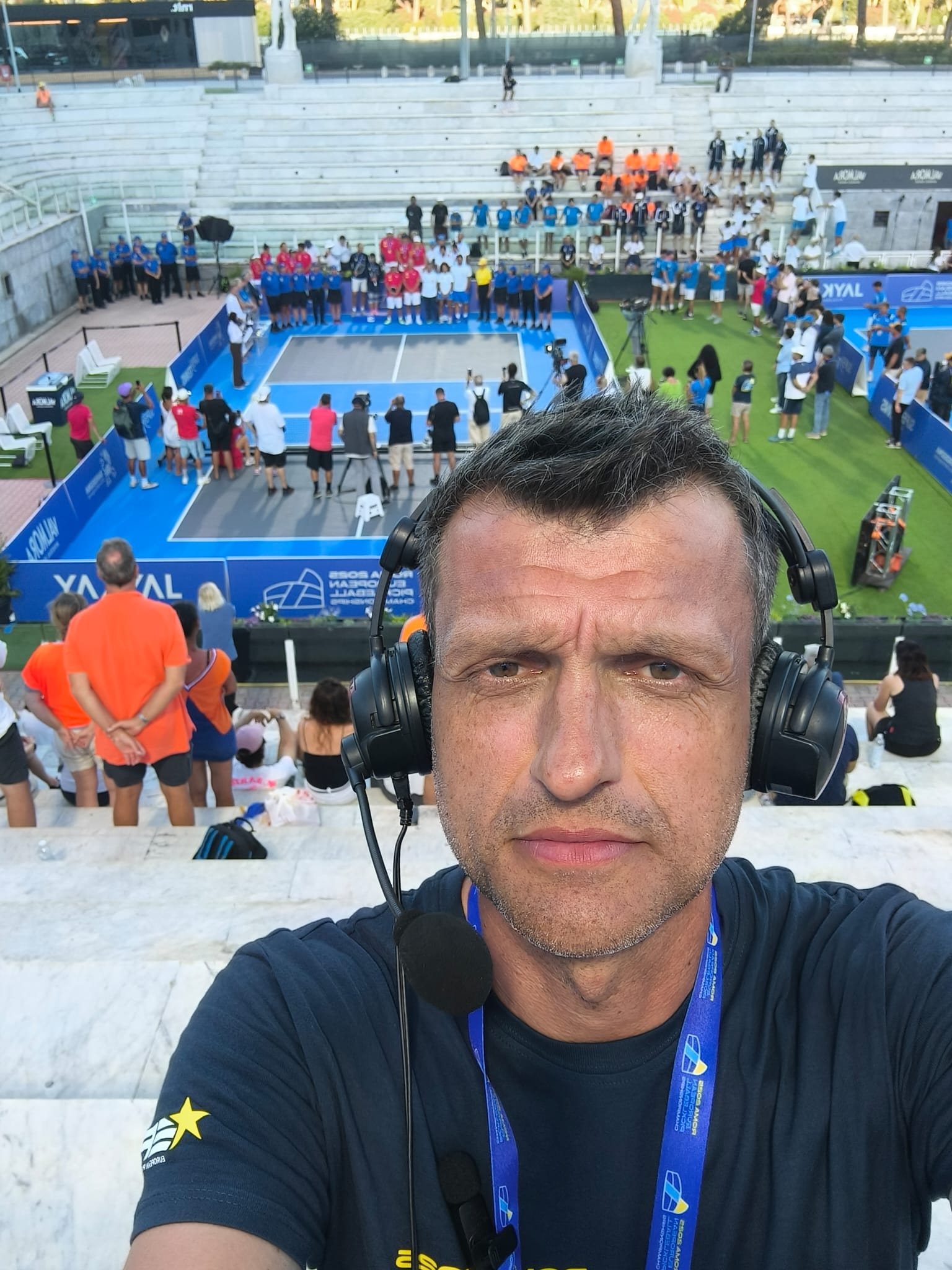
Chris Beaumont is the founder and Editor-in-Chief of World Pickleball Magazine. Chris follows the global game closely, reporting on the latest news, developments, stories and tournaments from all five continents. He also hosts the World Pickleball Podcast, interviewing people at all levels of pickleball. Chris is also an avid player, currently struggling to make the breakthrough from 4.0 to 4.5.