

Enjoying our coverage?
The March 2026 issue of World Pickleball Magazine is now live, featuring global league developments, tournament analysis, exclusive interviews, and stories from across the international pickleball community.
Follow @worldpickleballmagazine on Facebook and Instagram for daily pickleball news, and listen to the World Pickleball Podcast on Spotify, iTunes, and other major podcast platforms.
Team pickleball already exists across England. What hasn’t existed is a clear route from local competition to something bigger.
Key Takeaways
- MiLP targets the 3.0–4.5 player base, not just elite competitors
- The format mirrors elements of pro team play, bringing that experience to a wider group
- A potential pathway to US-based finals introduces a new level of aspiration
England does not lack team pickleball.
From the PPL to regional competitions and established events like the Stoehr Cup, the format is already embedded in the domestic game. The structure exists, and it works.
What has been missing is something else.
A ceiling that extends beyond the local scene.
This is not about introducing team play
The arrival of The Dink Minor League Pickleball does not change how team pickleball is played in England.
It changes who it is aimed at.
The format is built around players in the 3.0 to 4.5 range, the level where most competitive players actually sit. These are players who train, compete, and care about results, but do not operate at the very top of the national pyramid.
Until now, their competitive world has largely been domestic.
MiLP shifts that.
Bringing the pro team experience down a level
The structure draws clear influence from Major League Pickleball.
Teams, line-ups, pressure moments, and the DreamBreaker all mirror elements seen at the top of the sport. But instead of being reserved for elite professionals, that experience is now available to a much broader group.
That matters more than it sounds.
Because it changes how players engage with competition.
They are not just entering events. They are part of something that feels closer to the professional version of the sport.
The pathway is the difference
This is where MiLP separates itself from existing UK competitions.
It is not just a format.
It is connected.
The strongest teams are not simply winning a local title. They are playing for the possibility of progressing into a wider structure, with the potential to compete in finals held in the United States.
That creates a different kind of motivation.
For the first time, a team of 3.5 or 4.0 level players in England can realistically look beyond domestic competition and see a route, however challenging, to something international.
No other team competition in England currently offers that.
Growth is following the idea
Since launching in October 2025, the format has expanded quickly across multiple regions, with more than 200 players already involved and further events scheduled.
That growth is not accidental.
It reflects a simple reality.
Players respond to meaning.
Give them structure, give them competition, and give them something to aim at beyond the next weekend, and they will show up.
What this means for the UK game
MiLP does not replace existing competitions.
It adds a new layer.
One that sits between recreational play and elite performance, and gives that middle tier something it has not consistently had before.
A sense that where you start is not necessarily where you finish.
For most players, pickleball has always been local. MiLP is starting to change how far it can go.
For more pickleball news, broader regional coverage, and deeper tournament coverage and results, stay plugged into World Pickleball Magazine.
Stay ahead of the global game by signing up for the World Pickleball Report.
Further Reading
- Latest pickleball news from around the world
- Tournament coverage and results
- Rankings and player profiles
- Regional pickleball coverage
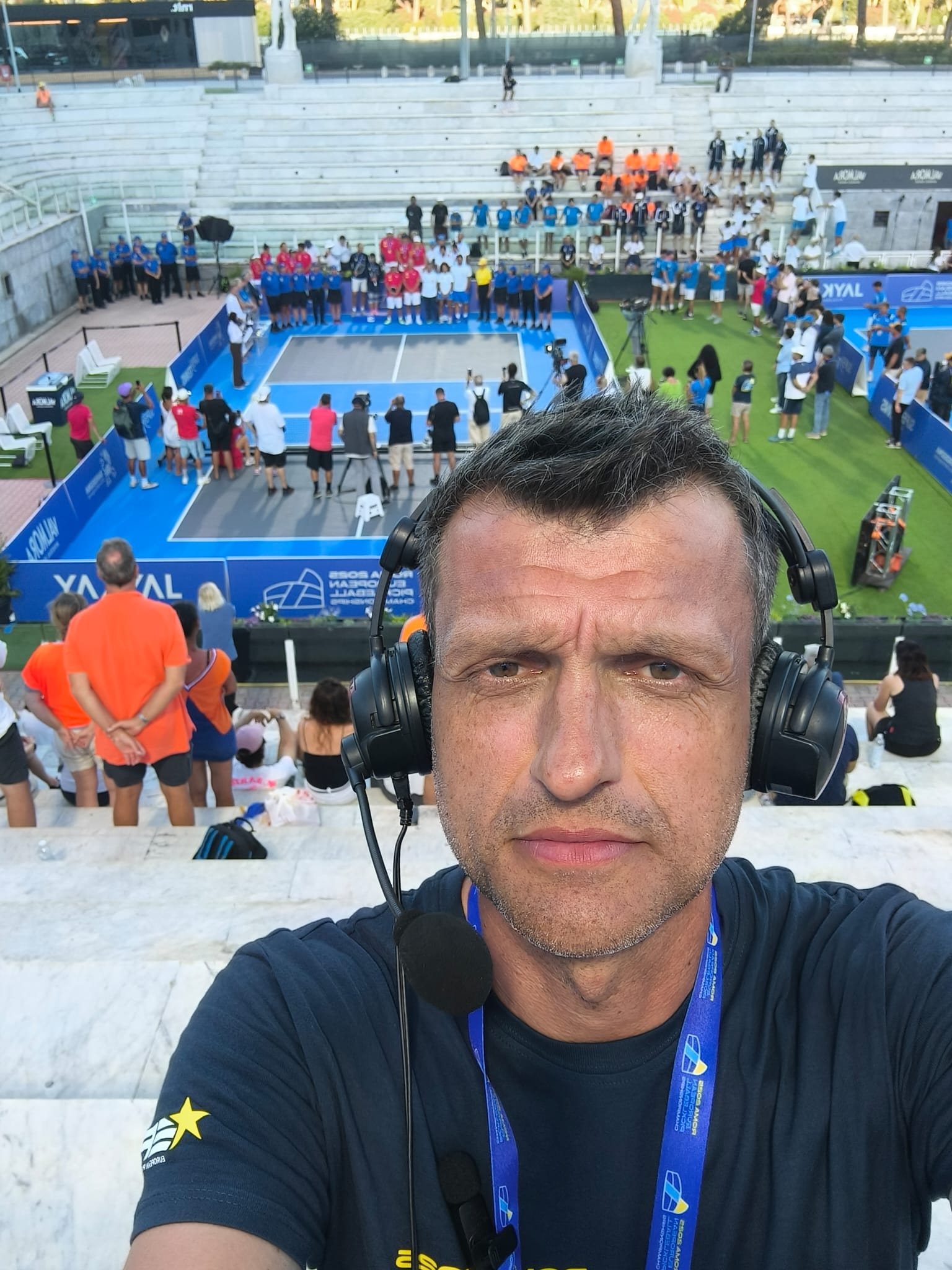
Chris Beaumont is the founder and Editor-in-Chief of World Pickleball Magazine. Chris follows the global game closely, reporting on the latest news, developments, stories and tournaments from all five continents. He also hosts the World Pickleball Podcast, interviewing people at all levels of pickleball. Chris is also an avid player, currently struggling to make the breakthrough from 4.0 to 4.5.