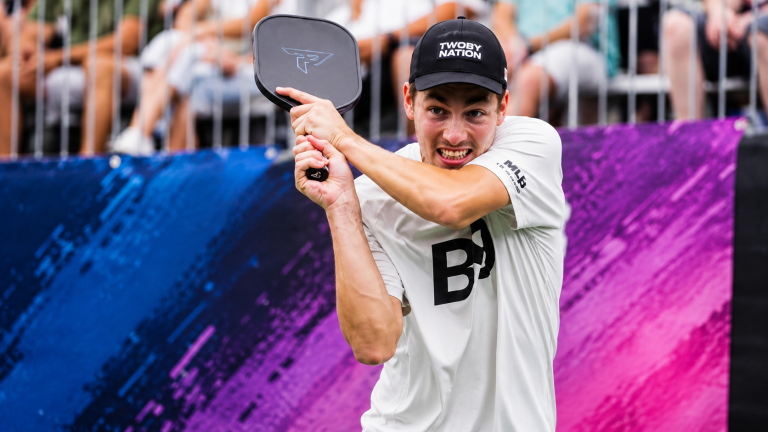

Apollo Sports Capital has led a $225 million structured investment into Pickleball Inc., bringing the PPA Tour, Major League Pickleball and several major pickleball assets together under one parent company.
- The investment brings the PPA Tour, Major League Pickleball, Pickleball Central, Pickleball.com, Pickleball TV and other assets under Pickleball Inc.
- The funding is expected to support professional events, media, infrastructure, retail and long-term commercial growth
- The deal suggests pickleball is moving further away from “fad” status and into a more consolidated sporting phase
Pickleball has spent years being described as a “fad” or a “craze”.
This investment makes that argument harder to sustain.
Apollo Sports Capital has led a $225 million investment into Pickleball Inc., the new parent company of the PPA Tour and Major League Pickleball. The company now brings together professional competition, media, retail, software and infrastructure assets across the sport.
According to the official PPA Tour announcement, Pickleball Inc. includes the Carvana PPA Tour, Major League Pickleball, Pickleball Central, Pickleball Play Solutions, Just Courts, Pickleball.com and Pickleball TV.
That matters because the sport is no longer being built only through participation numbers. It is now being organised around media rights, events, retail, courts, technology and commercial infrastructure.
In other words, pickleball is starting to look less like a fast-moving trend and more like a consolidated sport.
Why This Investment Matters
The most important part of the deal is not only the size of the investment.
It is what sits inside the new structure.
Pickleball Inc. now brings together several of the sport’s most important commercial assets. That gives the company influence across how people watch, play, follow, shop for and access pickleball.
For a sport still trying to prove its long-term professional model, that level of integration matters.
The investment is expected to support larger professional events, improved broadcast production, better tournament infrastructure and further development of Pickleball TV.
It should also help the PPA Tour and MLP build bigger events with stronger prize money and, over time, better earning opportunities for players.
That is important because more players are beginning to see pickleball as a possible career rather than simply a hobby.
What The Money Is Expected To Support
A major focus of the investment is likely to be the continued expansion of professional pickleball.
That could mean larger PPA Tour and MLP events, increased prize money and stronger player salaries.
There is also likely to be further investment into event presentation and production quality. Better broadcasts, stronger venues and more professional tournament operations would help pickleball feel more established to viewers, sponsors and broadcasters.
Media growth is another major part of the picture.
Pickleball TV gives the sport its own dedicated viewing platform, and that could become increasingly important if pickleball wants to prove it can become a long-term entertainment product, not just a sport people enjoy playing.
Infrastructure is also vital.
Part of the wider Pickleball Inc. structure includes court and facility-related businesses, which could help improve access to indoor and outdoor courts, tournament venues and other facilities.
The easier it becomes for people to find courts, events and broadcasts, the easier it becomes to build long-term loyalty around the sport.
Why Control Still Matters
One important detail is that PPA Tour founder Connor Pardoe and Tom Dundon will remain majority shareholders.
That matters because it suggests the sport’s existing leadership will still shape the direction of Pickleball Inc., even as new outside capital enters the picture.
For supporters of the professional game, that could be reassuring.
Investment can help build the media, retail and infrastructure side of the sport. But if pickleball is going to keep its identity, it also needs people inside the structure who understand the sport itself.
The challenge now is finding the right balance.
Pickleball needs professional organisation, commercial growth and better infrastructure. It also needs to avoid becoming so polished that it loses the community feel that helped make it popular in the first place.
What This Means For The Future
The investment into infrastructure could be a significant step in growing the number of pickleball players in the United States.
More courts and better organised facilities should give more people the chance to start playing. Increased professional visibility could also help turn casual players into more regular viewers.
There may also be an international knock-on effect.
As pickleball becomes more commercially established in the United States, other countries may accelerate their own investment into facilities, tournaments and development structures.
That does not mean every market will grow in the same way. It also does not mean participation will rise forever without setbacks.
Some critics already argue that too many clubs opening too quickly could create problems later if demand slows or maintenance costs rise.
That concern is worth taking seriously.
Still, the direction is clear.
Pickleball is entering another major development phase, one likely to bring greater visibility, better access and a more professional structure around the sport.
Closing Line
The $225 million investment does not guarantee pickleball’s future.
But it does show that some of the biggest players around the sport now believe that future is worth building properly.
Further Reading
- Latest pickleball news from around the world
- Tournament coverage and results
- Rankings and player profiles
- Regional pickleball coverage

Sarah Leaver
EditorSarah Leaver is part of the World Pickleball Media Academy, a contributor programme designed to develop emerging sports media talent.
View All Articles →