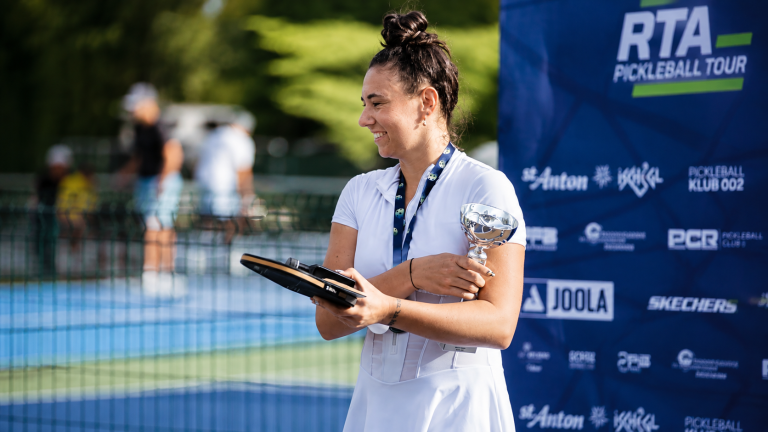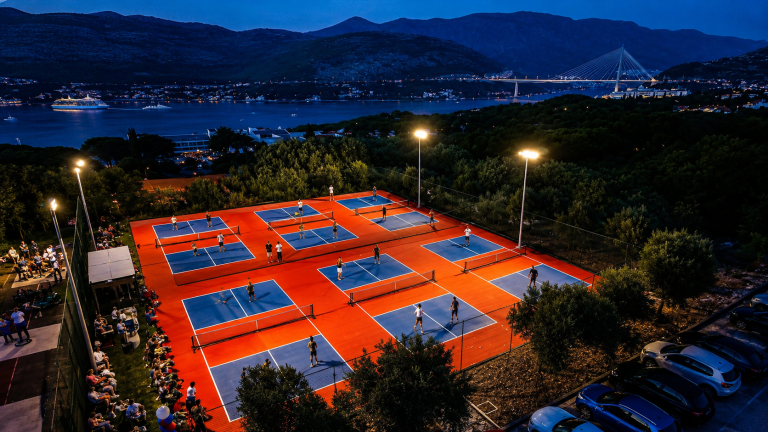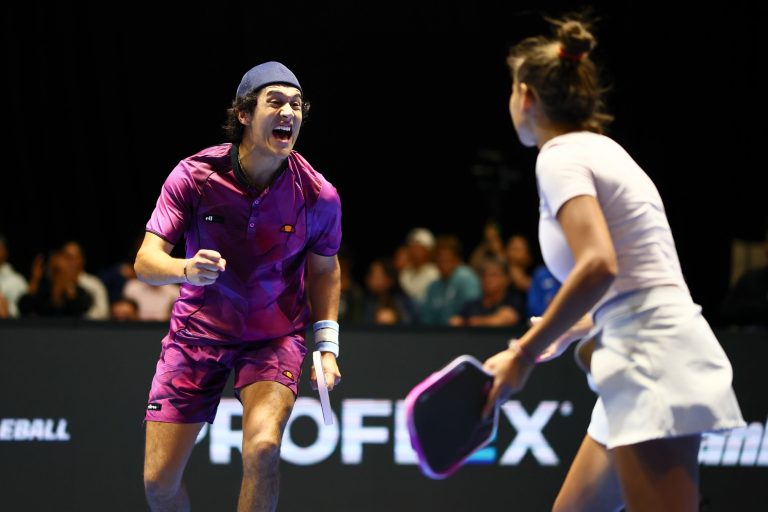
Vienna, Austria – The expanding landscape of European pickleball saw another significant chapter written in Vienna this week, as the RTA 1000 event concluded its mixed doubles competition with familiar faces asserting their dominance. In a field that highlighted the deepening talent pool across the continent, Balint Bako and Silvia Mocciola emerged victorious, capturing the gold medal and reinforcing their status as one of the premier pairings in the region.
The victory for Bako and Mocciola was secured against the formidable duo of Kangur and Karbo, who took silver after a spirited campaign through the bracket. The podium was completed by the team identified as Klara and Matimatic, who secured the bronze medal, ensuring a diverse representation of European talent at the business end of the tournament.
As a 1000-level stop, Vienna represents a high-stakes tier in the tour structure, with meaningful implications for the European player hierarchy and the wider race for status on the continent. It also lands at a moment when global pickleball is steadily shedding its US-only identity, with Europe’s top events now carrying real competitive weight.
What’s the Score?
The RTA 1000 Vienna mixed doubles division ended with Balint Bako and Silvia Mocciola taking the title, defeating Kangur and Karbo in the final. The result reinforces the current pecking order at the top of the European circuit, while the presence of Klara and Matimatic on the podium points to a healthy rotation of teams capable of pushing into medal positions. At 1000-level pressure, experience and chemistry still decide the biggest moments.
Hit it Deeper!
Bako and Mocciola’s win is a useful snapshot of where the European tour sits in early 2026. Unlike North America’s headline-heavy commercial model, Europe’s top tier is being shaped by a concentrated calendar and a rising standard that forces the best players to meet more often. That matters, because a tighter schedule of strong events accelerates the pace of improvement and makes consistent winning much harder to sustain.
The doubles landscape also continues to reflect Europe’s cross-border reality. Partnerships are built on compatibility, not passports, and that is one of the clearest signs of a circuit moving from informal competition to genuine professionalism. Over time, that cross-pollination will keep sharpening a distinct European feel, often built on touch, angles, and resilience, rather than pure pace.
The World Pickleball Magazine Verdict
Vienna delivered another clear signal that Europe’s elite circuit is becoming more demanding, more organised, and more difficult to dominate. Bako and Mocciola earned the headline, but the wider story is the pressure building underneath them. The chase pack is getting stronger, and the results are starting to look like a proper tour, not isolated weekend wins.
Further Reading
- Latest pickleball news
- Tournaments, schedules, and results
- Rankings, players, and rating systems
- Pickleball in Europe
Official Sources
- RTA1000 Vienna (official tournament page)
- RTA rankings (official)

Chris Beaumont
Founder and Editor-in-ChiefChris Beaumont is the founder and Editor-in-Chief of World Pickleball Magazine. Chris follows the global game closely, reporting on the latest news, developments, stories and tournaments from all five continents. He also hosts the World Pickleball Podcast, interviewing people at…
View All Articles →