

The World Cup isn’t moving location — it’s moving direction.
For the first time, the Pickleball World Cup is leaving the Americas.
From August 30 to September 6, 2026, the event will take place in Da Nang.
That decision matters more than the destination itself.
Key Takeaways
- The Pickleball World Cup is moving to Asia, shifting the balance of power away from its traditional North American base.
- The move reflects Asia’s rapid rise as a competitive pickleball region with growing infrastructure and player depth.
- Hosting the World Cup in Asia creates new pathways for players and markets that were previously on the margins of the sport.
Because it reflects where the sport is heading.
From Experiment to Global Event
The growth of the Pickleball World Cup has been rapid, but until now, geographically predictable.
- 2023: a 14-player pilot event in Peru
- 2025: more than 3,000 players from 68 countries
- 2026 (projected): 4,000 players from 80 nations
The scale is increasing.
But this is the first time the event has shifted its centre of gravity.
👉 This is no longer just expansion.
👉 It is relocation.
Why Vietnam — And Why Now
The choice of Da Nang is not speculative.
It is based on evidence.
Vietnam didn’t win this bid on potential. It won it on delivery.
In 2025, the city hosted a major Asian tour event at the Tien Son Sports Arena, drawing hundreds of players and a crowd approaching 8,000. The atmosphere, by all accounts, was different to anything seen elsewhere in the sport.
Even Ben Johns, used to the biggest stages in the game, described the Vietnamese crowd as among the most engaged he had experienced.
What Vietnam Offers Right Now
- Large, engaged crowds
- Rapid player growth
If you\u2019re following how the global game is shifting week by week, the World Pickleball Report breaks this down every Wednesday.
- Increasing infrastructure
- Proven ability to deliver major events
👉 Vietnam is not preparing for pickleball.
👉 It is already living it.
A Market That Isn’t Waiting
What makes Vietnam different is not just growth.
It is speed.
Reports from Ho Chi Minh City and beyond suggest pickleball is already competing for attention with established national sports. Equipment is visible everywhere. Participation is rising quickly. And players are beginning to emerge who can compete at a serious level.
That shift is starting to show on court.
At recent events, local players have not just competed. They have controlled matches, including all-Vietnamese finals in key brackets.
👉 This is no longer participation.
👉 It is progression.
The Decision That Could Change Everything
The most intriguing element sits just below the surface.
Players like Quang Duong and Phuc Huynh, both with high-level international experience, have spoken about their connection to Vietnam and their desire to contribute to its growth.
If they choose to represent Vietnam at this World Cup, the balance of the tournament changes immediately.
What That Would Mean
- Vietnam moves from host to contender
- The competitive gap narrows
- The narrative shifts from growth to challenge
👉 That is when a host nation becomes something more.
More Than a Tournament
The World Cup heading to Asia is not just about adding another location to the calendar.
It changes the map.
For years, elite pickleball has been centred around North America, with international growth following behind.
This is the first moment where that pattern starts to reverse.
What Happens Next
The immediate impact is obvious:
- more visibility for Asian markets
- more incentive for international players to travel
- more pressure on other regions to keep pace
But the longer-term effect may be bigger.
Because once a global event moves successfully, it rarely moves back in the same way.
Closing Thought
The World Cup going to Da Nang is not just a milestone.
It is a signal.
The sport is no longer expanding outward from one centre.
It is starting to shift between them.
And once that happens, the next question is not where pickleball is growing.
It’s who is ready for it when it arrives.
This article appeared in the April 2026 issue of World Pickleball Magazine.
If you want the full breakdown, including deeper analysis, additional insights, and exclusive content, you can download the full April issue of World Pickleball Magazine here:
Further Reading
- Latest pickleball news from around the world
- Tournament coverage and results
- Rankings and player profiles
- Regional pickleball coverage
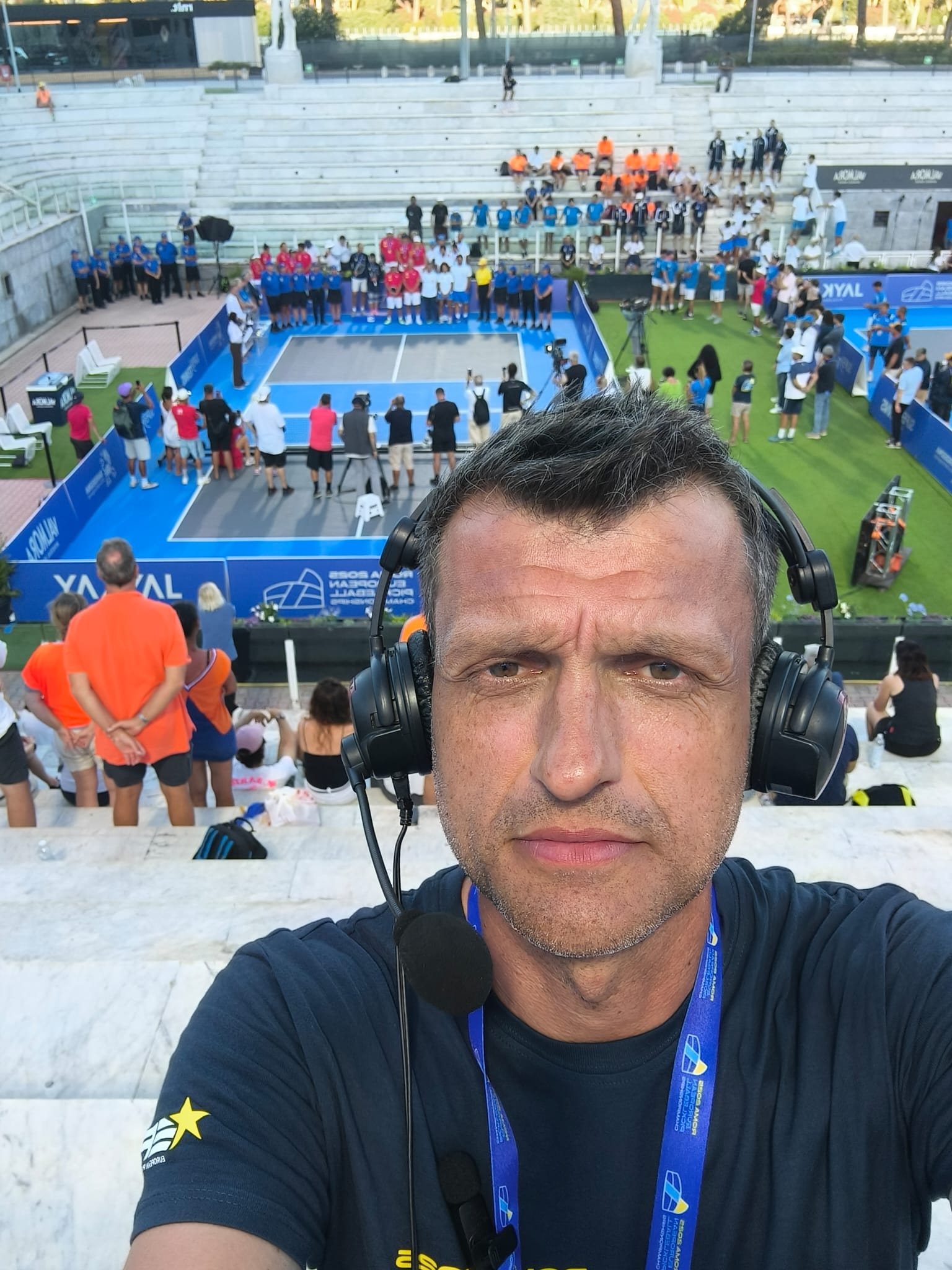
Chris Beaumont is the founder and Editor-in-Chief of World Pickleball Magazine. Chris follows the global game closely, reporting on the latest news, developments, stories and tournaments from all five continents. He also hosts the World Pickleball Podcast, interviewing people at all levels of pickleball. Chris is also an avid player, currently struggling to make the breakthrough from 4.0 to 4.5.