
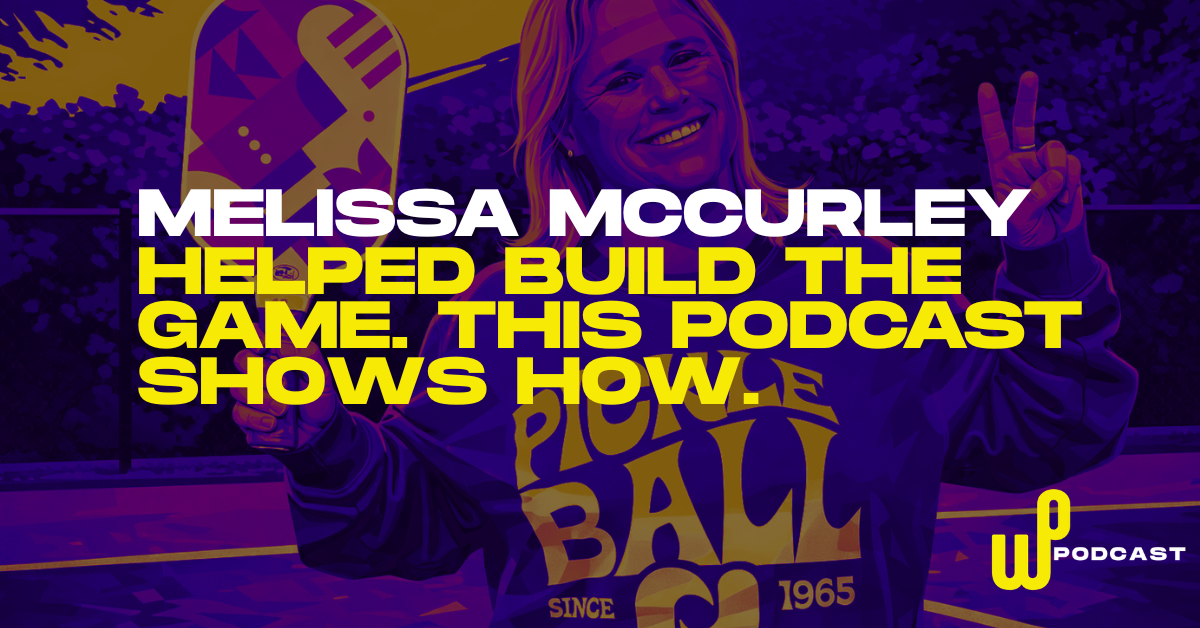
Before pickleball had polished broadcasts, packed show courts, or global tournament infrastructure, it had people building the sport piece by piece. In the latest World Pickleball Podcast, Melissa McCurley explains what that work actually looked like, and why the game still needs more structure if it is going to fulfil its potential.
- Melissa McCurley traces the rise of the US Open from a new event to the sport’s biggest stage
- The episode shows how tournament operations, commentary, ratings, and player experience helped shape modern pickleball
- It also raises a harder question about the future: whether the sport can align itself well enough to keep growing properly
This Is a Podcast About the People Who Built the Sport Before It Became Obvious
There is a temptation in pickleball to talk about growth as if it simply happened.
More players. More events. More tours. More money. More cameras.
But sports do not build themselves. They are built by people willing to take on the messy, unglamorous work before there is much reward for doing it.
That is what makes the latest World Pickleball Podcast episode with Melissa McCurley worth hearing.
McCurley is one of the most important operational figures pickleball has produced. A 2025 Pickleball Hall of Fame inductee, she helped turn PickleballTournaments.com into the sport’s core tournament platform, played a central role in the growth of the US Open, became the first woman to commentate a pickleball event on national television, and now serves as executive vice president of competition for the APP Tour.
This conversation does not just cover her résumé. It explains why her work mattered.
The US Open Did Not Just Get Bigger. It Changed the Sport
One of the strongest parts of the episode is McCurley’s account of the US Open’s rise.
She describes it as pickleball’s Super Bowl, and the comparison makes sense. Under her operational leadership, the event grew from just over 800 players in 2016 into a true bucket-list tournament with a scale the sport had not previously seen.
More importantly, the US Open did not simply add size. It changed expectations.
McCurley explains how the event moved away from older tournament formats, created a fuller experience around the court, highlighted specific divisions on different days, and helped push pickleball onto national television through CBS Sports. She also describes a detail that matters more than it may first appear: early pro players were not always ready for that spotlight. Some of the first gold medal matches were over in barely 20 minutes because the stage itself changed how players performed.
That is a useful reminder. Exposure did not just showcase the sport. It changed the demands inside it.
If you’re following how the global game is shifting week by week, the World Pickleball Report breaks this down every Wednesday.
Commentary, Data, and Trust All Helped Move the Game Forward
The episode is especially strong when it gets into the practical detail of how pickleball became more legible to a wider audience.
McCurley talks about stepping into commentary at the US Open in 2017 and why it felt natural rather than intimidating. More revealing, though, is her explanation of why she was effective in the role. She knew the players. She knew the stories. And through PickleballTournaments.com, she had access to performance data and trends that helped bring meaning to what viewers were seeing.
That matters because commentary is not just about filling air time. In a developing sport, it helps build trust. If the people explaining the action do not understand the game, the audience feels it quickly.
McCurley also makes an important point about balance. Because she knew the players personally, she stayed in the lane of facts and stories, while handing tactical criticism to analysts sitting beside her. That division of labour helped the broadcasts work. It also showed an early understanding of what pickleball needed from television if it wanted to be taken seriously.
The Sport Needed Structure Then. It Still Needs It Now.
The podcast becomes most interesting when it moves from history into the future.
McCurley explains how her background in the US Navy, IT, disaster recovery, and high-pressure operational work shaped the way she approached tournament management. Her point is simple. Planning, contingencies, communication, and structure matter.
That same logic appears again when she talks about UTPR, the first algorithmic rating system in pickleball, and later when she discusses her current role with the APP. Whether the topic is player ratings, referees, junior pathways, pro competition, or international growth, the same theme keeps returning.
Pickleball is still a young sport that often expects itself to behave like a mature one.
McCurley says the game sometimes gets in its own way. She is right. Too many organisations, too many competing visions, and not enough alignment can slow the next stage of development, even while the headline growth looks impressive.
The Most Important Point May Be About History
The best part of the interview comes near the end.
McCurley argues that the sport needs to keep a stronger connection to its own history. That is more than nostalgia. It is about culture. It is about making sure the people who built the game are not erased by the speed of its growth, while also making sure the future is not blocked by those who arrived first.
That tension feels very real in modern pickleball.
The history does not always respect the future. The future does not always respect the history. And if those sides keep talking past one another, the sport risks losing some of what made it worth building in the first place.
That is what makes this episode better than a standard career retrospective. It is not just a celebration of one person’s achievements. It is a conversation about what kind of sport pickleball wants to become.
Why You Should Listen
If you care about the business, structure, and long-term direction of pickleball, this is one of the more useful podcast conversations WPM has published.
It gives listeners a clearer sense of how much of the modern game had to be invented in real time, and how much work is still left to do. It also gives proper weight to someone whose influence has run through tournament operations, television, ratings, and professional competition for more than a decade.
Melissa McCurley did not just witness pickleball’s rise.
She helped build the system the rest of the sport now plays inside.
For a clearer view of where the sport is heading each week, you can join the World Pickleball Report here.
Further Reading
- Latest pickleball news from around the world
- Tournament coverage and results
- Rankings and player profiles
- Regional pickleball coverage
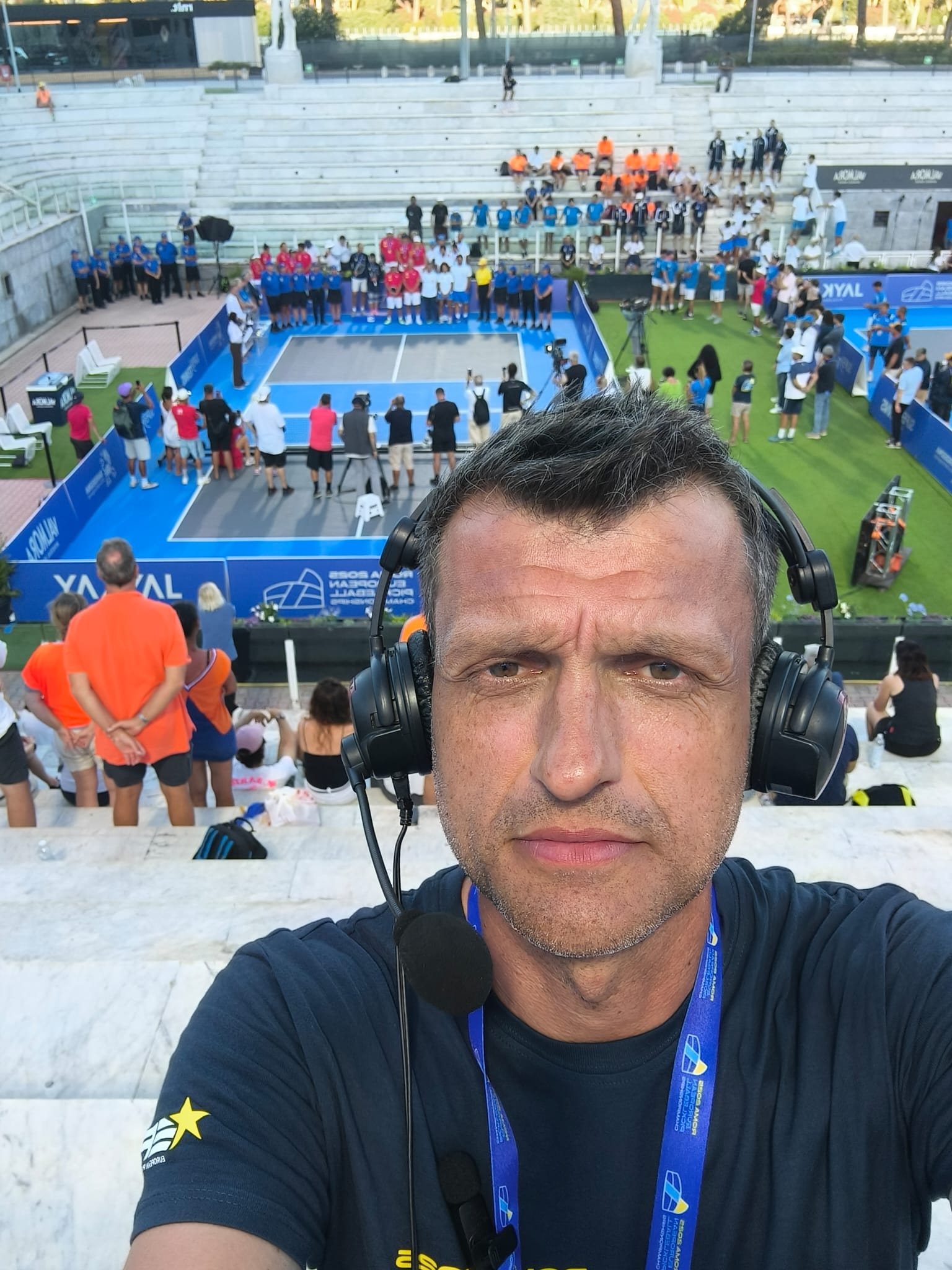
Chris Beaumont is the founder and Editor-in-Chief of World Pickleball Magazine. Chris follows the global game closely, reporting on the latest news, developments, stories and tournaments from all five continents. He also hosts the World Pickleball Podcast, interviewing people at all levels of pickleball. Chris is also an avid player, currently struggling to make the breakthrough from 4.0 to 4.5.