
Three smaller stories from the past week — one player result, one grassroots initiative, one exhibition event — point to very different parts of the sport.
- Charles Yong’s win highlights how open the pathway into elite competition still is
- Belgium’s grassroots approach shows how the sport is being positioned socially in new markets
- High-value exhibition events continue to operate separately from the competitive structure
Charles Yong shows how open the pathway still is
Charles Yong is 19.
He is currently completing national service in Singapore.
He has been playing pickleball for three years.
He is now heading to a PPA Tour event.
Yong’s win at the PickleSlam in Jurong was not straightforward. He trailed Malaysia’s Timothy Foo 9–5 and later 13–10 before closing the match 15–13 to secure a place at the upcoming Singapore Open.
That result is clear.
What matters more is the contrast.
Foo is part of the United Pickleball Association’s Rising Stars programme. He is on a defined pathway into the professional game.
Yong is not.
One player is being developed through structure. The other has arrived outside it.
That gap still exists in pickleball.
The sport is building systems designed to produce talent, but it has not yet closed itself off to players coming through more irregular routes. Yong’s result is a reminder of that.
If you’re following how the global game is shifting week by week, the World Pickleball Report breaks this down every Wednesday.
Belgium’s grassroots approach is changing the entry point
In Lasne, Belgium, Pick’ L Club is taking a different approach to introducing the sport.
The positioning is deliberate.
Pickleball is not being framed as an extension of tennis or padel. It is being presented as something separate, and more accessible.
The messaging is simple. You do not need to be elite. You do not need to come from another racket sport. You do not need to enter a traditional club environment.
That matters in markets where access to courts is still tied to existing structures.
In much of Europe, pickleball is often played within facilities designed for other sports. Those environments carry expectations around ability, behaviour, and familiarity.
By stepping away from that model, initiatives like this are not just adding players. They are adjusting who feels comfortable entering the sport at all.
The exhibition model still sits outside competition
At the top end, the Ares Pickleball Slam continues to operate on a different track.
Andre Agassi and James Blake defeating Anna Leigh Waters and Genie Bouchard in a $1 million event does not alter rankings or competitive structure.
It does not need to.
These events are built around recognition. They rely on names that carry weight beyond pickleball itself, and they are designed to attract attention rather than define competition.
That creates a separation.
The weekly tour is becoming more structured, more competitive, and harder to navigate. Exhibition events remain focused on visibility and audience reach.
Both exist. They serve different purposes.
For official tour context around the wider pro game, see the PPA Tour.
For a clearer view of where the sport is heading each week, you can join the World Pickleball Report here.
Further Reading
- Latest pickleball news from around the world
- Tournament coverage and results
- Rankings and player profiles
- Regional pickleball coverage
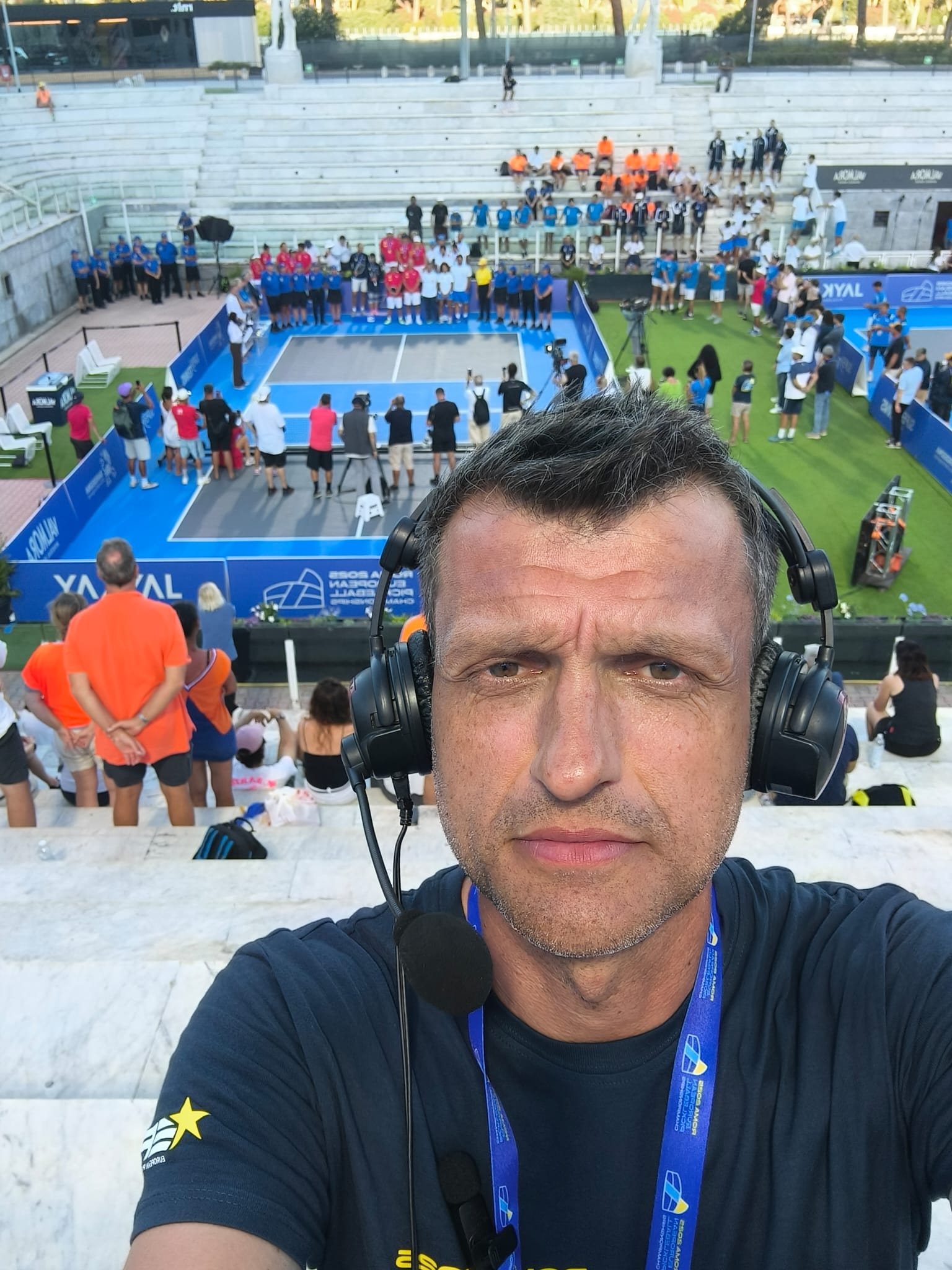
Chris Beaumont is the founder and Editor-in-Chief of World Pickleball Magazine. Chris follows the global game closely, reporting on the latest news, developments, stories and tournaments from all five continents. He also hosts the World Pickleball Podcast, interviewing people at all levels of pickleball. Chris is also an avid player, currently struggling to make the breakthrough from 4.0 to 4.5.