

Enjoying our coverage?
The March 2026 issue of World Pickleball Magazine is now live, featuring global league developments, tournament analysis, exclusive interviews, and stories from across the international pickleball community.
Follow @worldpickleballmagazine on Facebook and Instagram for daily pickleball news, and listen to the World Pickleball Podcast on Spotify, iTunes, and other major podcast platforms.
At the very top, the favourites are still clear. Just beneath them, the sport is becoming deeper, tougher, and far more interesting.
Key takeaways
- The top of pickleball is still relatively stable in most brackets.
- The depth underneath is increasing rapidly across PPA and APP.
- That shift will make the sport more competitive, more watchable, and more meaningful.
The top still looks predictable
At the very top of pickleball, not much has changed.
In PPA men’s doubles, you still look at Ben Johns and Gabriel Tardio. In women’s singles, it is still Anna Leigh Waters. In women’s doubles, Waters and Anna Bright. In mixed doubles, Waters and Johns.
You can talk yourself into different outcomes, but most weeks, unless something unusual happens, those are the names you expect to see taking gold.
That part of the sport still feels stable.
Men’s singles shows what comes next
But men’s singles already shows where this is heading.
There is no single dominant figure. On the right week, five or six players could take the title. It depends on form, matchups, and who handles the pressure best across the draw.
That is not a problem.
That is what competition is supposed to look like.
And that same pressure is now pushing into the rest of the game.
The depth is arriving, and it is not slowing down
We are already seeing it.
Early rounds are no longer routine. Top seeds are being pushed in the Round of 32, sometimes even earlier. Matches are longer. Margins are tighter.
Players who used to build into tournaments now have to be ready from the first point.
And this is only the beginning.
The depth is going deeper with every tournament. More players are training full-time. More players are travelling. More players are entering events expecting to compete, not just participate.
That changes everything.
Because dominance is much easier to maintain when the gap beneath is wide.
That gap is no longer wide.
And the global wave has not even hit yet
This is still largely a US-driven ecosystem.
Wait until Asia becomes more aligned with the major tours.
When that happens, the volume increases again. The styles diversify. The competition pool expands in a way the sport has not yet fully absorbed.
That is when things really move.
Not just in individual draws, but across the entire structure of the professional game.
You can already see early signs of it in the wider professional tour landscape.
Yes, Jack Munro. Yes, Sofia Sewing.
But behind them, the field is deeper than it has ever been.
More players capable of pushing matches deep. More players capable of taking advantage when the margin opens. More players arriving ready to compete at that level.
This is exactly what the sport needs
Every sport goes through this phase.
At first, a small number of players dominate because they are ahead.
Then the rest catch up.
Not all at once. Not evenly. But enough to change how competition feels.
Pickleball is entering that phase now.
And it is a good thing.
Because predictability builds names.
But competition builds interest.
The best sports have both.
Pickleball is starting to find that balance.
What this means for the future
The names at the top may not change immediately.
But what it takes to stay there already has.
Winning now demands more matches at a higher level, earlier in the draw. It demands better energy management, faster adjustments, and fewer mistakes.
It also means more jeopardy.
Not chaos. Not randomness.
But enough pressure that every match starts to matter more.
That is becoming one of the defining themes in the wider pickleball conversation, and it will only grow as more global regions feed players, styles, and standards into the sport’s main competitive pathways.
Stay ahead of the global game by signing up for the World Pickleball Report and getting the biggest stories delivered straight to your inbox.
The favourites are still clear.
The path to beating them is getting shorter every week.
Further Reading
- Latest pickleball news from around the world
- Tournament coverage and results
- Rankings and player profiles
- Regional pickleball coverage
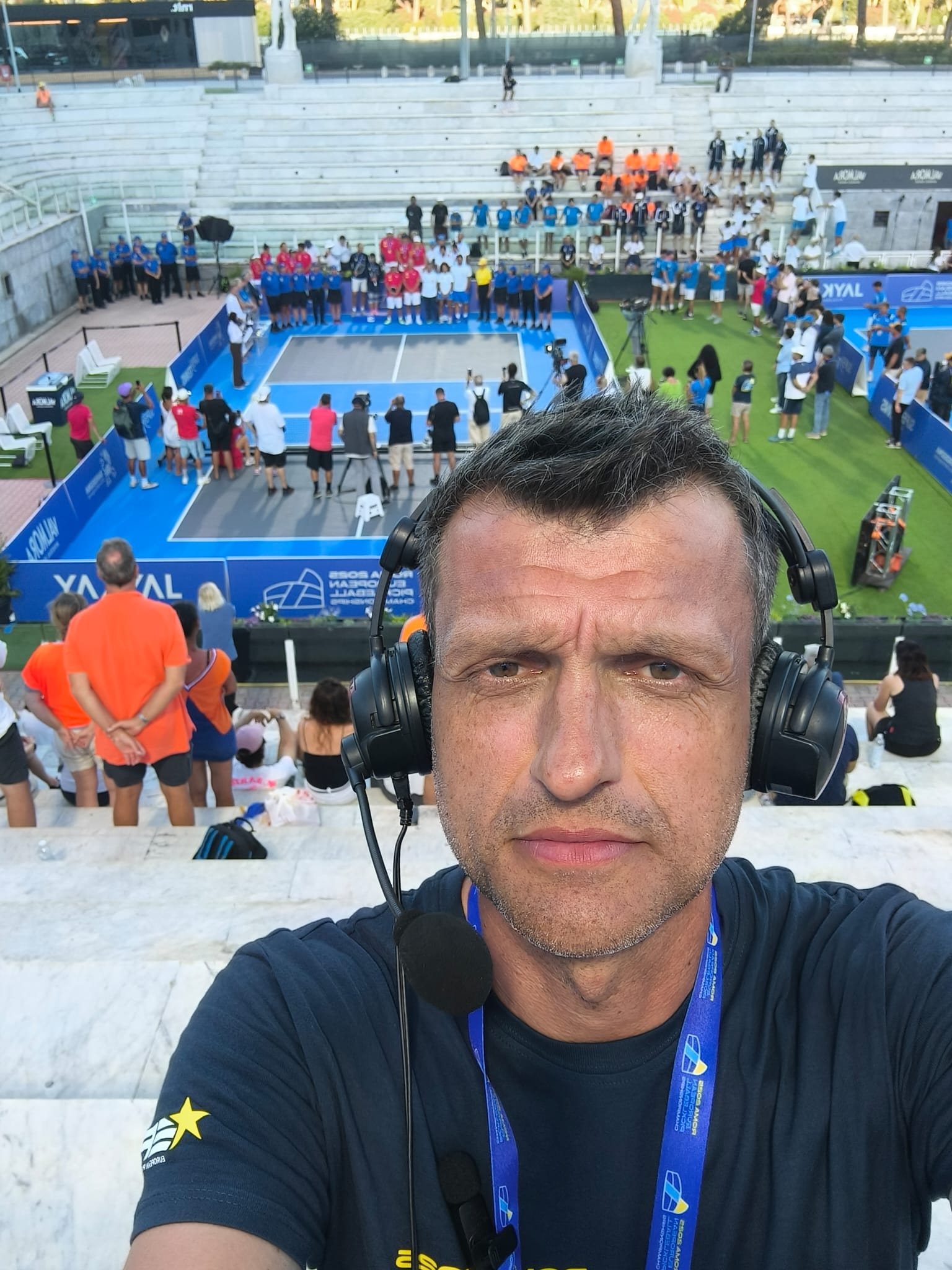
Chris Beaumont is the founder and Editor-in-Chief of World Pickleball Magazine. Chris follows the global game closely, reporting on the latest news, developments, stories and tournaments from all five continents. He also hosts the World Pickleball Podcast, interviewing people at all levels of pickleball. Chris is also an avid player, currently struggling to make the breakthrough from 4.0 to 4.5.