
Enjoying our coverage?
The March 2026 issue of World Pickleball Magazine is now live, featuring global league developments, tournament analysis, exclusive interviews, and stories from across the international pickleball community.
Follow @worldpickleballmagazine on Facebook and Instagram for daily pickleball news, and listen to the World Pickleball Podcast on Spotify, iTunes, and other major podcast platforms.
James Ignatowich, the founder and chief executive officer of RPM paddles, has officially relocated from the United States to China to assume direct oversight of his equipment manufacturing operations. The strategic move aims to consolidate his control over the production supply chain for his emerging sporting goods enterprise. Following a brief transitional period to vacate his residence in Florida and coordinate logistics via Los Angeles, Ignatowich has now established a permanent base in Asia.
This significant geographical relocation occurs in the wake of Ignatowich’s termination from domestic American professional leagues, resulting from his participation in an unsanctioned competitive event in Japan. Pivoting away from his active playing career, he is now entirely focused on the corporate expansion of the RPM brand and the technical refinement of its flagship product line, the Friction Pro.
By situating himself precisely at the centre of the global manufacturing ecosystem, Ignatowich aims to eliminate the logistical delays and quality control issues inherent in remote offshore production management. The move allows for immediate, on-site intervention during the prototyping and mass production phases of his equipment lines.
The logistical necessity of the relocation became apparent as the physical inventory of the company scaled rapidly. Ignatowich disclosed that managing over a thousand completed paddles and numerous iterative prototypes from a residential apartment in Florida had become operationally unviable. The geographical distance between the corporate ownership in North America and the manufacturing facilities in Asia was creating unacceptable delays in product development and quality assurance cycles.
The RPM Friction Pro, the brand’s primary market offering, is specifically engineered to cater to high-level, aggressive professional play, with a pronounced emphasis on spin generation and structural durability. Maintaining the exact engineering tolerances required for elite-level equipment dictates rigorous factory oversight. By residing in China, Ignatowich can physically inspect production runs, negotiate directly with material suppliers, and accelerate the research and development phases for future product iterations without the friction of transatlantic communication.
Beyond the immediate commercial benefits, Ignatowich publicly praised the broader economic and infrastructural advantages of his new operational base. He cited the significantly reduced cost of living, estimating expenses to be roughly a third of comparative American markets, alongside highly efficient modern transportation networks and advanced civic infrastructure.
This transition represents a highly unusual career trajectory within the industry. While numerous professional athletes secure licensing agreements or minor equity stakes in equipment brands, very few completely abandon their domestic geography to embed themselves within the foreign industrial supply chains that produce the hardware.
What’s the Score?
James Ignatowich’s relocation to China underscores a harsh reality of the current sporting goods market: the barrier to entry for paddle manufacturing is low, but the barrier to sustained quality is exceptionally high. As the consumer market becomes saturated with white-label products and derivative designs, independent brands can only survive by exerting absolute control over their research, development, and factory output. Ignatowich has recognised that competing with multinational sports corporations requires abandoning the comfort of remote management in favour of direct, on-the-ground industrial oversight.
Hit it Deeper!
A thorough analysis of this operational pivot requires an understanding of the precarious nature of equipment manufacturing in this rapidly expanding sport. The paddle market is currently experiencing intense regulatory scrutiny regarding surface friction, core degradation, and deflection testing. When a brand manages production remotely from the United States, subtle factory-level changes in adhesives, carbon fibre sourcing, or pressing temperatures can result in entire shipments failing regulatory certification. By placing the chief executive directly on the factory floor, RPM drastically mitigates the risk of catastrophic inventory failure and ensures compliance with elite competition standards.
Furthermore, the economics of hardware startups dictate aggressive cost management during the early scaling phases. The decision to relocate the executive function to a region with a substantially lower cost of living and cheaper operational overheads allows RPM to preserve vital capital. Instead of expending funds on expensive American commercial real estate and constant international freighting of prototypes, capital can be redirected directly into material research and aggressive marketing campaigns.
Ignatowich’s transition from terminated professional athlete to embedded manufacturing executive also highlights a maturing secondary economy within the sport. The physical window for elite professional competition is narrow, and the political volatility of league contracts, as evidenced by his termination over unsanctioned international play, makes relying solely on prize money and appearance fees highly precarious. By taking absolute physical ownership of his commercial enterprise, he has effectively insulated his financial future from the administrative whims of the American touring bodies.
The World Pickleball Magazine Verdict
The relocation of James Ignatowich to China is a bold, highly pragmatic commercial manoeuvre that demonstrates a profound understanding of global supply chain mechanics. While initially perceived as an enforced exile following his league termination, the move strategically positions RPM to operate with the agility and quality control of much larger corporate entities.
Looking ahead, this hands-on approach to international manufacturing may establish a new operational standard for independent equipment brands. In a market where technological margins dictate commercial success, executives who refuse to bridge the geographical divide between their design desks and their factory floors will increasingly struggle to compete with those embedded at the source of production.
For more industry developments, tournament coverage, and player movement, explore our latest pickleball news, follow the sport’s biggest events in our tournaments hub, and track leading figures through our rankings and player profiles. You can also browse wider regional expansion through our Asia coverage.
For official equipment and tour context, visit the USA Pickleball official site and the PPA Tour official website.
📬 Stay informed with the weekly World Pickleball Report newsletter, delivering the biggest global stories directly to your inbox. Sign up to the World Pickleball Report.
Further Reading
- Latest global pickleball news
- Major pickleball tournaments and event coverage
- Pickleball rankings and player profiles
- Pickleball growth across Asia
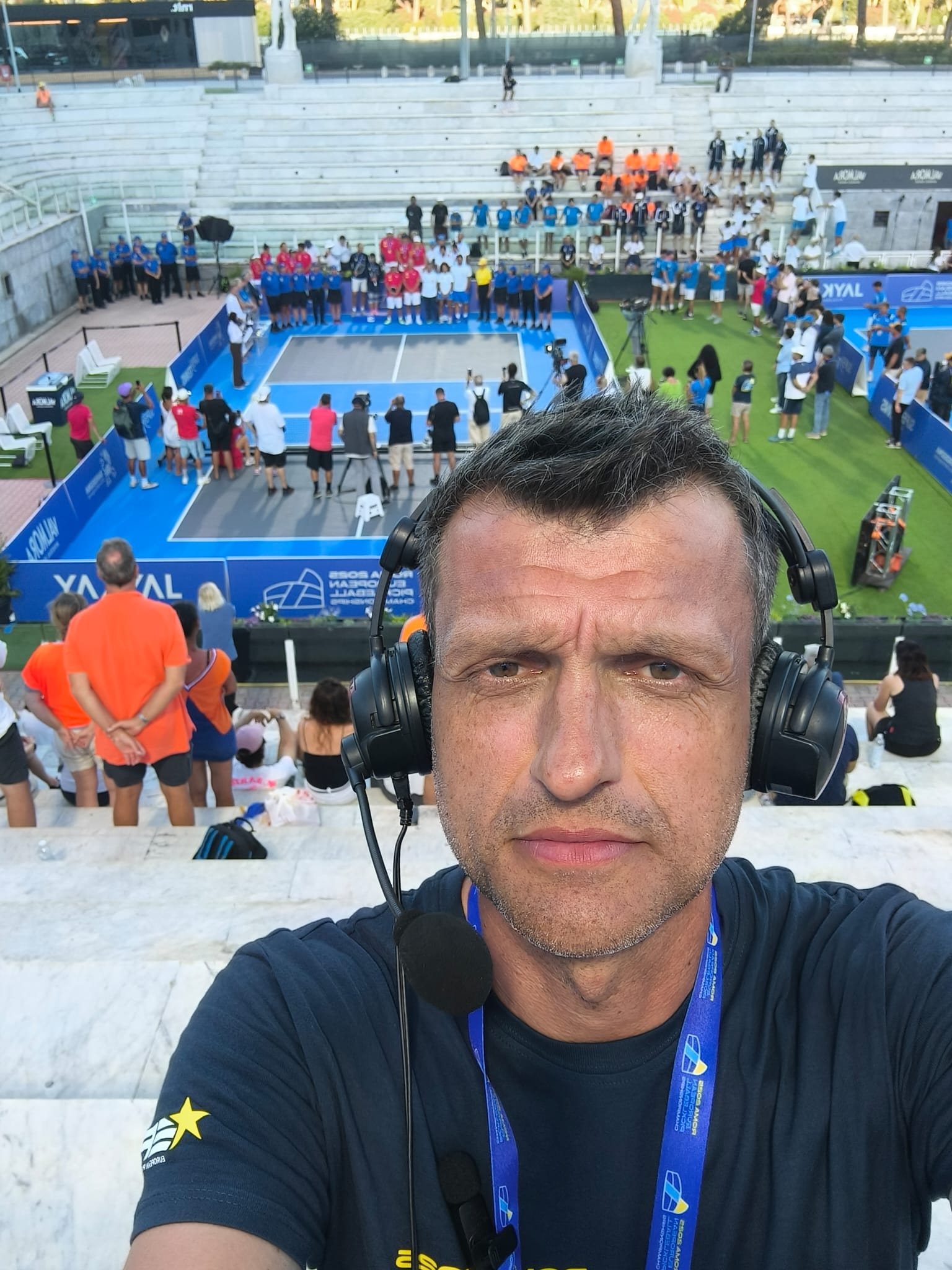
Chris Beaumont is the founder and Editor-in-Chief of World Pickleball Magazine. Chris follows the global game closely, reporting on the latest news, developments, stories and tournaments from all five continents. He also hosts the World Pickleball Podcast, interviewing people at all levels of pickleball. Chris is also an avid player, currently struggling to make the breakthrough from 4.0 to 4.5.