

The Role of Local Councils in Building the UK’s Pickleball Future
As pickleball carves out its place in the UK’s sporting landscape, the role of local councils has never been more pivotal. From court space and coaching support to inclusion strategies and public health funding, the decisions made by council sport teams and leisure officers are shaping the opportunities — and the limitations — of pickleball’s growth.
While some councils have already embraced the sport as part of their physical activity agendas, others remain hesitant, unsure whether to prioritise a relatively new racquet sport amid broader pressures on leisure services. Yet as demand grows, particularly among older adults, schools, and inclusive sport providers, pickleball is forcing itself onto the agenda.
A Gatekeeper to Facilities
Local authorities are often the primary custodians of the leisure infrastructure that underpins grassroots sport. Indoor sports halls, tennis centres, school sports sites under dual-use agreements, and converted community spaces all fall under their jurisdiction. This gives councils enormous power in determining whether pickleball has a physical space to grow.
In councils such as Leicester City, North Tyneside, and South Oxfordshire, early adopters of pickleball have been supported through access to underused badminton courts or non-peak time slots in leisure centres. In several cases, these were trialled under the umbrella of “Active Ageing” or “Low Impact Racquet Sports” programmes.
Where these pilot sessions succeeded, they often led to longer-term bookings, some even transitioning into structured clubs. However, in areas where leisure contracts have been outsourced to private operators, priorities tend to skew towards revenue-maximising activities like spin classes or indoor football, which can price out emerging sports.
Council Sport Teams: Champions or Bystanders?
The responsiveness of local authorities to pickleball often comes down to the advocacy of internal staff. Where there is a Sport Development Officer or Physical Activity Lead familiar with inclusive or intergenerational sports, pickleball is more likely to gain early traction.
In Bath and North East Somerset, a council staff member who encountered pickleball during a personal visit to the US pushed for taster sessions to be added to the local Get Active programme. Within six months, a weekly session had been formalised at the Bath Sports and Leisure Centre. A similar story unfolded in South Cambridgeshire, where proactive staff helped a community group navigate the booking system and apply for a small equipment grant.
Conversely, in areas where roles have been cut or combined into generic community wellbeing portfolios, awareness of pickleball is often low. Clubs frequently report that they must “sell” the sport from scratch, despite clear data on its uptake and accessibility.
Urban vs Rural Realities
The council-led rollout of pickleball varies significantly between urban and rural regions. Cities like Bristol, Newcastle, and Manchester have greater availability of multi-use indoor courts and a higher density of leisure centres. This allows for more flexible scheduling and user-group rotation. In such settings, councils are more willing to allocate off-peak slots to test new activities, especially those targeting older adults or social inclusion outcomes.
In contrast, rural councils often face constraints in facility provision. Multi-sport halls may be shared with schools, churches, or village halls with limited availability. Staffed leisure centres may be fewer and farther apart, making regular access difficult. That said, rural areas also benefit from tight-knit community structures, where a small group of players can often persuade a parish council or hall manager to tape out a temporary court with little red tape.
East Devon District Council, for example, supported the launch of a pickleball group in Honiton after a successful Active Lives consultation showed strong interest among over-60s. The council’s investment was minimal — loaning equipment and publicising the session — but it was enough to trigger weekly play and self-sustaining growth.
Public Health and Social Prescribing
Pickleball’s greatest asset in the eyes of local government may be its alignment with public health objectives. As councils work with Integrated Care Systems (ICSs) to promote preventative health, low-impact, sociable activity has become a strategic priority. This is particularly relevant in tackling loneliness, managing long-term conditions, and reducing fall risk among older adults.
Some councils, including Hertfordshire County Council and Nottinghamshire County Council, have integrated pickleball into social prescribing schemes through partnerships with GP surgeries and community wellbeing hubs. Participants referred for inactivity, anxiety, or mild depression are invited to join free or low-cost sessions, often accompanied by support workers or family members.
Because the sport is easy to learn and does not carry the competitive stigma of more established racquet sports, it appeals to people who are otherwise disengaged from physical activity. This gives it a unique position in the toolkit of local health intervention.
Funding Streams and Barriers
For clubs and volunteers trying to launch pickleball sessions, local councils are often the first port of call for funding support. Small grants from Active Partnerships or community development funds have helped cover the cost of paddles, portable nets, and court line markings. However, success varies widely between regions.
In some districts, application forms are short, criteria are transparent, and turnaround times are reasonable. In others, the process is opaque, heavily bureaucratic, or narrowly focused on sports with existing National Governing Bodies (NGBs) recognised by Sport England. Because Pickleball England is not yet a funded NGB, some councils are reluctant to issue sports development grants, even where demand is evident.
This has prompted calls for a national or regional fund specifically focused on emerging sports that contribute to wellbeing and community resilience. Until such a structure exists, pickleball advocates must often rely on goodwill, relationships, and persistence.
The Risk of Missed Opportunity
As leisure budgets tighten post-pandemic, councils are being forced to make hard choices. Facility closures, staff cuts, and reduced programme funding have all taken their toll. In this climate, emerging sports like pickleball may be overlooked simply because they lack institutional backing.
But this would be a mistake. Pickleball offers a low-cost, high-participation model that fits perfectly into existing infrastructure. It does not require purpose-built courts. It attracts older adults, people with disabilities, and those returning to activity after long absences. Its inclusive ethos aligns with nearly every pillar of local sport and health strategies.
By failing to recognise the sport’s potential now, councils risk being forced to play catch-up later — at greater cost and with less influence over how the game is structured in their communities.
A Collaborative Path Forward
For pickleball to grow equitably across the UK, local councils must see themselves as co-builders of the sport’s future. This means:
Including pickleball in Active Lives and Sport and Physical Activity Strategies
Training staff on emerging sports as part of professional development
Supporting clubs with simplified facility access and fair pricing models
Advocating for the sport at regional Sport England forums
Sharing case studies of success and scalable models with other authorities
National organisations like Pickleball England can help by producing council-facing toolkits, offering templates for court conversion, and coordinating regional workshops that include leisure staff.
Conclusion
Local councils are not just facility managers. They are architects of community life and stewards of public health. Their choices now will shape whether pickleball becomes a widespread, inclusive success story — or a missed opportunity confined to small pockets of enthusiasm.
With thoughtful investment and cross-sector collaboration, councils have the power to turn a fast-growing sport into a national asset. The net is already up. The only question is whether local government is ready to step onto the court.
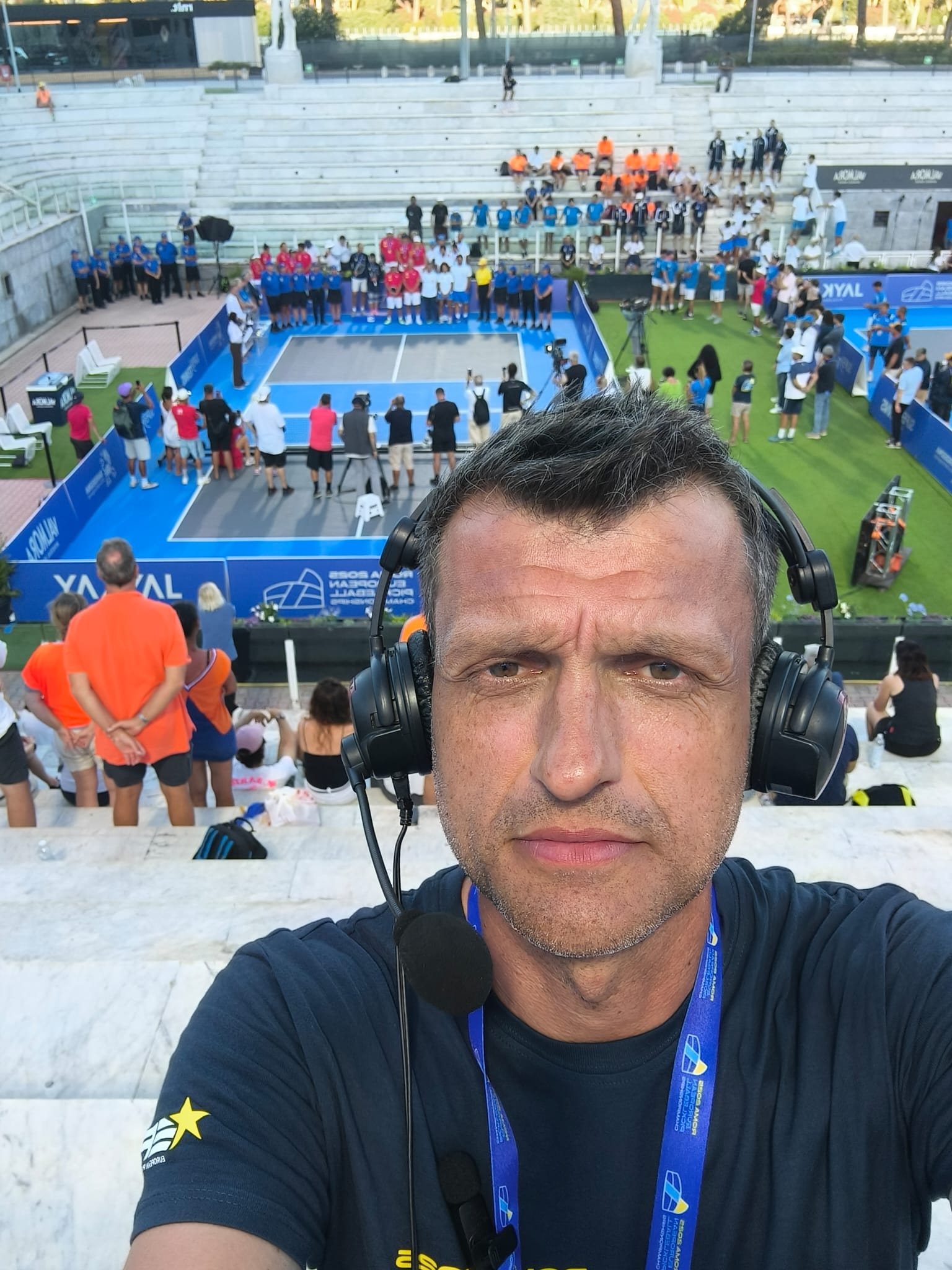
Chris Beaumont is the founder and Editor-in-Chief of World Pickleball Magazine. Chris follows the global game closely, reporting on the latest news, developments, stories and tournaments from all five continents. He also hosts the World Pickleball Podcast, interviewing people at all levels of pickleball. Chris is also an avid player, currently struggling to make the breakthrough from 4.0 to 4.5.