

5 Plyometric Drills That Transfer Directly to Pickleball Agility
Pickleball in England is becoming faster, sharper and more physically demanding. While traditionally viewed as a gentler sport, particularly among older players, the evolution of competitive play in clubs from Leeds to London has placed a growing emphasis on athleticism. One of the key components underpinning elite-level movement in pickleball is agility — the ability to change direction quickly, accelerate, decelerate and recover. For players seeking a functional edge, plyometric training offers a powerful, time-efficient way to build explosive movement tailored to the court.
Why Plyometrics?
Plyometric exercises involve rapid, explosive movements that improve power, coordination and neuromuscular efficiency. These drills train the stretch-shortening cycle of muscles — in other words, your ability to go from lengthened (loaded) to contracted (explosive) quickly. In pickleball, this translates to:
Faster first steps toward the ball
Quicker recovery from volleys
More effective lateral shuffles during kitchen exchanges
Enhanced balance and control when braking or changing direction
Importantly, for UK-based players who often train in colder conditions or on slippery indoor floors, plyometrics also improve joint stability and proprioception, which reduce the risk of injury.
Below are five targeted plyometric drills that translate directly to pickleball movement demands. They require minimal equipment and can be done in a home gym, leisure centre or park.
1. Lateral Bounds (Skater Jumps)
Why it matters for pickleball: This drill mimics the side-to-side movement required when covering the kitchen line during rapid volley exchanges.
How to do it:
Start standing on your right foot.
Push off laterally and land softly on your left foot.
Immediately push off the left foot back to the right.
Continue bounding side to side for 30 seconds.
Coaching tips:
Focus on controlled landings with a slight bend in the knee.
Keep your chest upright and arms engaged for balance.
Progression:
Add a brief pause on each landing to challenge balance.
Use a resistance band around the thighs to increase difficulty.
2. Split Lunge Jumps
Why it matters for pickleball: Split lunges improve your ability to react from a ready stance, particularly when transitioning from baseline to net after a third-shot drop or drive.
How to do it:
Start in a lunge position with one foot forward.
Jump vertically and switch your legs mid-air.
Land softly in the opposite lunge position.
Repeat for 20 seconds, rest, then repeat for 2–3 sets.
Coaching tips:
Keep your upper body tall and your core braced.
Focus on height, speed and symmetry in each jump.
Progression:
Hold light dumbbells to increase resistance.
Finish each rep with a small hop forward to simulate forward momentum.
3. Box Jumps with Controlled Descent
Why it matters for pickleball: The explosive jump replicates your vertical push-off during overheads or net smashes, while the landing phase trains deceleration — critical after a sudden lunge or stretch volley.
How to do it:
Use a sturdy platform (30–50 cm high).
Stand in front, swing arms back and jump onto the box.
Land softly with both feet, knees slightly bent.
Step down under control and repeat.
Coaching tips:
Don’t rush — quality of landing is more important than height.
Engage your glutes and hamstrings on each push-off.
Progression:
Add a mini-hop upon landing.
Perform single-leg jumps for advanced balance work.
4. Lateral Hurdle Hops
Why it matters for pickleball: This drill trains lateral agility under fatigue, helping you stay reactive during long rallies, especially at the net.
How to do it:
Place a small hurdle or low cone in front of you.
With both feet together, hop side to side over the hurdle.
Continue rapidly for 20 seconds, focusing on foot speed and rhythm.
Coaching tips:
Stay light on your feet — your heels should barely touch the ground.
Keep knees soft to absorb impact.
Progression:
Increase height or add two hurdles for a shuttle effect.
Hold a paddle in ready position to simulate in-game posture.
5. Depth Drops to Shuffle Sprint
Why it matters for pickleball: This combination movement replicates split-step reactions into lateral or forward movement — a staple of competitive positioning.
How to do it:
Stand on a low platform (about 30 cm).
Step off and land on both feet with knees bent.
The moment you land, shuffle laterally 3 steps, then sprint 5–6 metres forward.
Coaching tips:
Time your first step precisely upon landing.
React as quickly as possible to simulate match movement.
Progression:
Use a partner or coach to call the direction at random.
Add a deceleration or backpedal at the end.
Programming Tips for UK-Based Players
For English players training indoors during winter or using small studio spaces, these drills offer a dynamic workout without the need for treadmills or resistance machines. Aim to include 2–3 plyometric exercises two times per week, focusing on explosive effort, short duration and full recovery between sets.
For older players or those with joint concerns, start with smaller movements and limit the volume to reduce strain. It is also advisable to perform these drills on a sprung wooden floor or gym mat rather than concrete.
Warm-up thoroughly beforehand with dynamic movements such as leg swings, high knees and arm circles. Following plyometric work, include 5–10 minutes of balance or mobility training to reinforce joint control.
Final Thoughts
Pickleball in England is evolving rapidly, with regional leagues, national tournaments and club rivalries adding pace and intensity to what was once seen as a casual pastime. As more players chase faster balls and sharper angles, the ability to move quickly and efficiently has never been more valuable.
Plyometric drills provide a direct, science-backed method of boosting agility in ways that transfer to real play. Whether you’re trying to hold your own on a fast-paced doubles court in Birmingham or preparing for a Pickleball England sanctioned event, incorporating explosive training into your weekly routine can sharpen your footwork, strengthen your legs and make your reactions more reliable under pressure.
Agility may not be the flashiest skill in pickleball, but in the moments that decide matches — a quick shift to cover a dink, a burst to reach a lob — it is often the one that matters most.
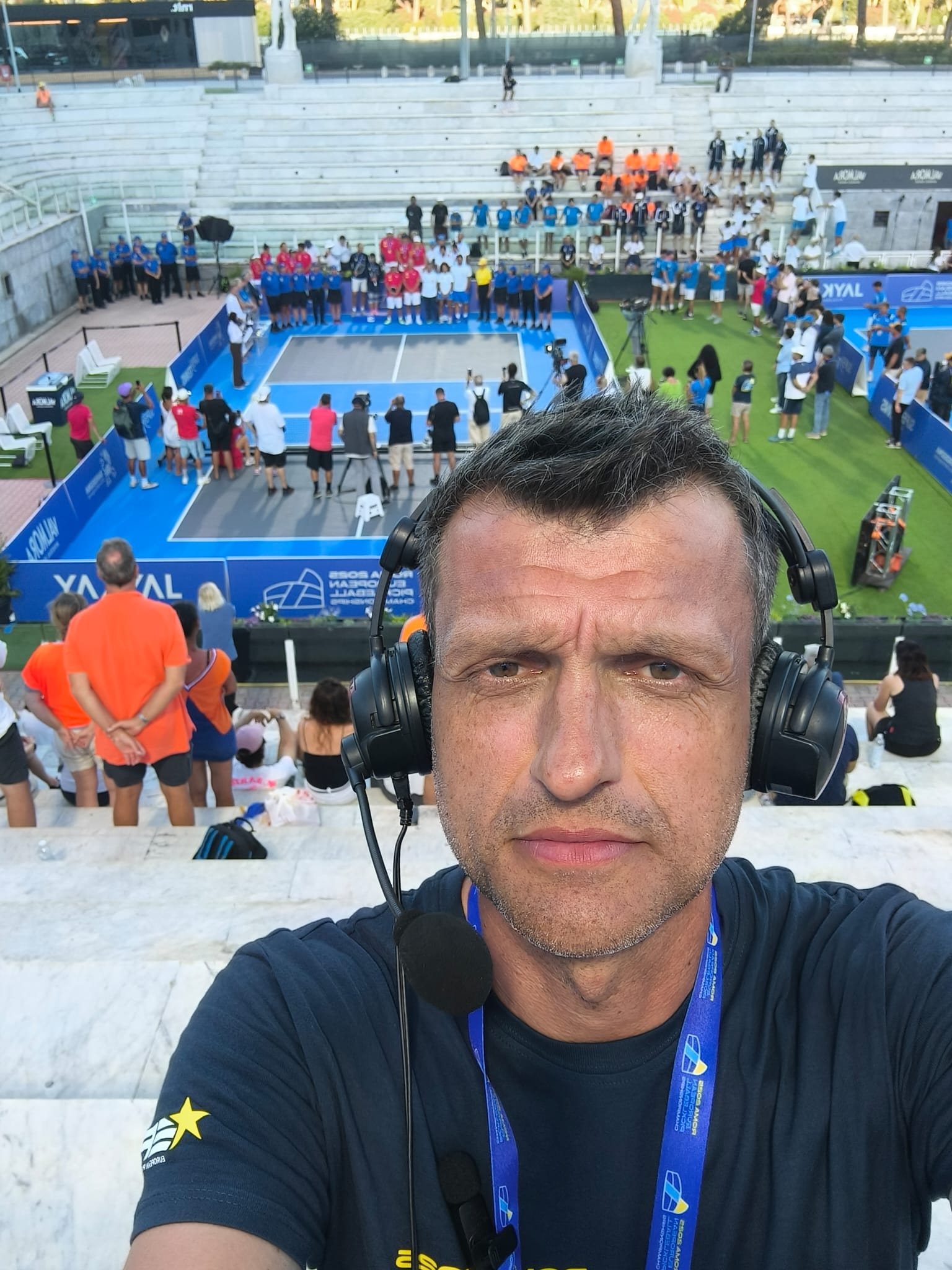
Chris Beaumont is the founder and Editor-in-Chief of World Pickleball Magazine. Chris follows the global game closely, reporting on the latest news, developments, stories and tournaments from all five continents. He also hosts the World Pickleball Podcast, interviewing people at all levels of pickleball. Chris is also an avid player, currently struggling to make the breakthrough from 4.0 to 4.5.