

What’s the Score?
The stark financial inequality of global pickleball was laid bare this week through the story of Jeremiah Pratt, a national player for Sierra Leone. In a desperate bid to represent his country at the 2024 African Games in Accra, Ghana, Pratt sold his family’s land to fund the trip. Tragically, logistical delays left the team stranded en route, forcing them to forfeit their opening match and casting a shadow over their campaign.
Hit it deeper!
While professional tours in the US boast million-dollar payouts, players in emerging pickleball nations face a very different reality. Sierra Leone has approximately 500 active players, yet the sport operates with zero government funding. The community is fueled entirely by passion; players practice on shared basketball courts and rely on personal contributions for basic equipment and travel. Saint Edwards Secondary School in Freetown has become the de facto headquarters for this grassroots movement.
Pratt’s sacrifice selling a tangible asset like land for the intangible glory of sport highlights the severe lack of institutional support. The forfeiture of the opening match is a cruel twist, underscoring the difficulties of travel and logistics in the region without administrative backing. Despite these hardships, the spirit of the players remains unbroken, with Sierra Leonean athletes even receiving invitations to help introduce the sport to neighbouring Guinea.
The World Pickleball Verdict
This story serves as a sobering reality check for the global pickleball community. While the headlines focus on franchise valuations and celebrity investors, the grassroots game in places like West Africa is surviving on pure grit.
Jeremiah Pratt’s story is both inspiring and an indictment of the current support systems for international development. For pickleball to truly become a “world sport,” the flow of resources needs to reach beyond the major markets. The resilience of the Sierra Leone Pickleball Association is commendable, but passion alone cannot buy plane tickets. This incident should serve as a rallying cry for international federations to provide better grants and logistical support to emerging nations.
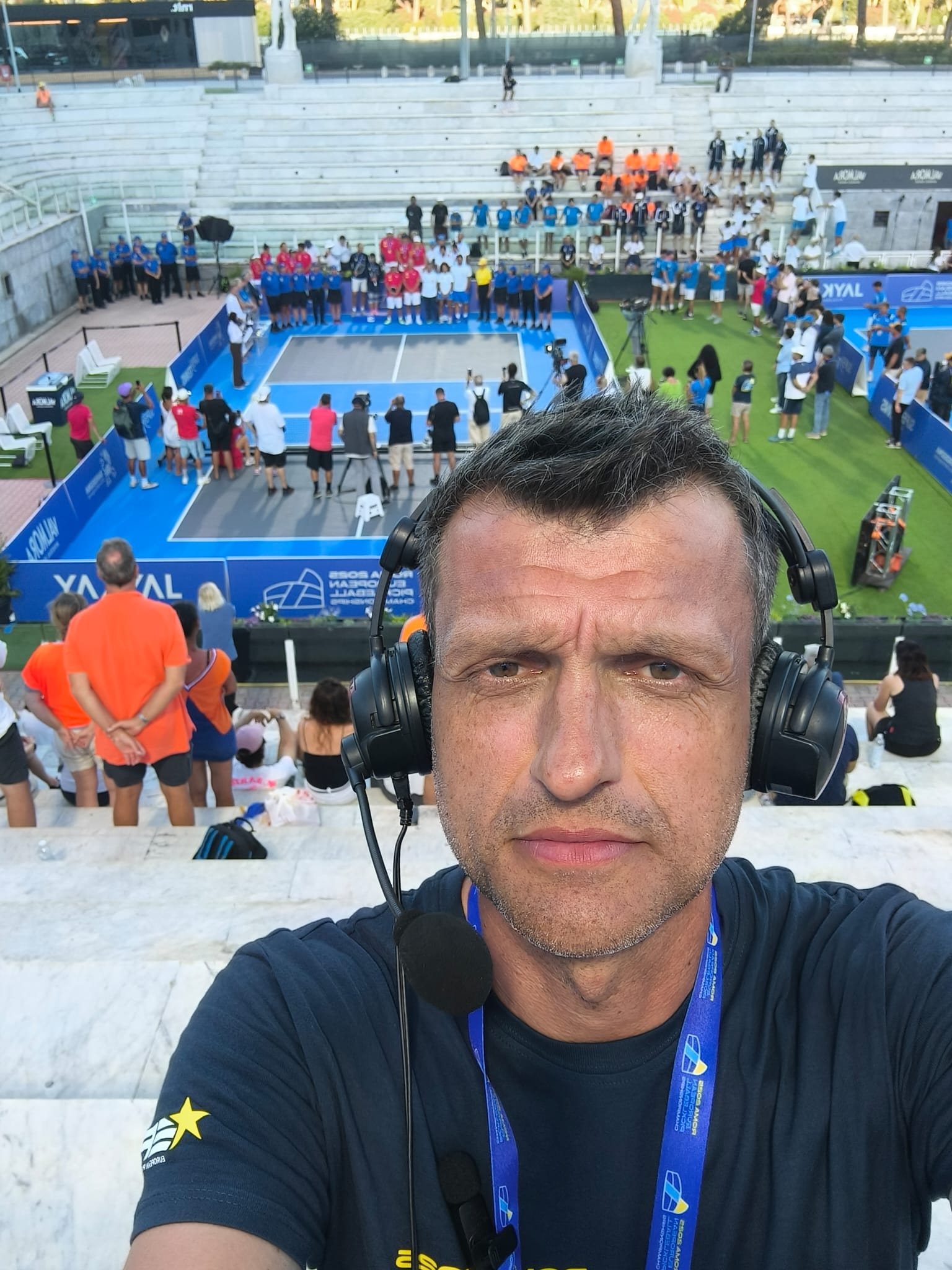
Chris Beaumont is the founder and Editor-in-Chief of World Pickleball Magazine. Chris follows the global game closely, reporting on the latest news, developments, stories and tournaments from all five continents. He also hosts the World Pickleball Podcast, interviewing people at all levels of pickleball. Chris is also an avid player, currently struggling to make the breakthrough from 4.0 to 4.5.