

What’s the Score?
Dallas, USA – The escalating commercial battle for control of professional pickleball has claimed high-profile casualties. The United Pickleball Association (UPA) has reportedly terminated the contracts of star players James Ignatowich, Ryan Fu, and Vivian Glozman. The dismissals were triggered by the players’ participation in events organised by the Pickleball Japan Federation (PJF) in Tokyo, which the UPA has classified as “competitor events”.
The situation has sparked a heated debate regarding player exclusivity and the definition of competition in the global market.
Hit it deeper!
The controversy centres on clinics and exhibitions held at the Ariake Tennis Park. Ryan Fu has publicly defended the players, asserting that they were merely conducting clinics to promote the sport—an activity they had engaged in previously without punitive measures. The UPA, however, enforced the exclusivity clauses in the players’ contracts, viewing the PJF event as a breach.
The narrative took a twist when the Pickleball Japan Federation intervened. Quinn Riordan, Chair of the PJF Board of Trustees, issued a statement aimed at de-escalating the conflict. “To clarify, the Pickleball Japan Federation is not a competitor to PPA,” Riordan wrote, emphasizing that the PJF is a non-profit focused on growing the game. He highlighted that the PJF has actually supported PPA events in the past and is collaborating on potential future tournaments in Japan for 2026.
Riordan credited Ignatowich and his team for generating “tremendous enthusiasm” for the sport in Japan through their teaching. Despite this defence, the contract terminations remain in effect, and fellow player Parris Todd is reportedly under review.
The World Pickleball Verdict
This incident marks a volatile new chapter in the “pickleball wars.” The UPA’s aggressive enforcement of exclusivity clauses signals a desire to ring-fence its talent not just domestically, but globally. However, classifying a non-profit federation in Japan as a “competitor” risks alienating international partners and stifling the organic growth of the sport abroad. If top pros are penalized for growing the game in emerging markets, the UPA risks a backlash from both the player base and the international community. This showdown forces a difficult question: Does owning the pro tour mean owning the players’ right to work anywhere in the world?
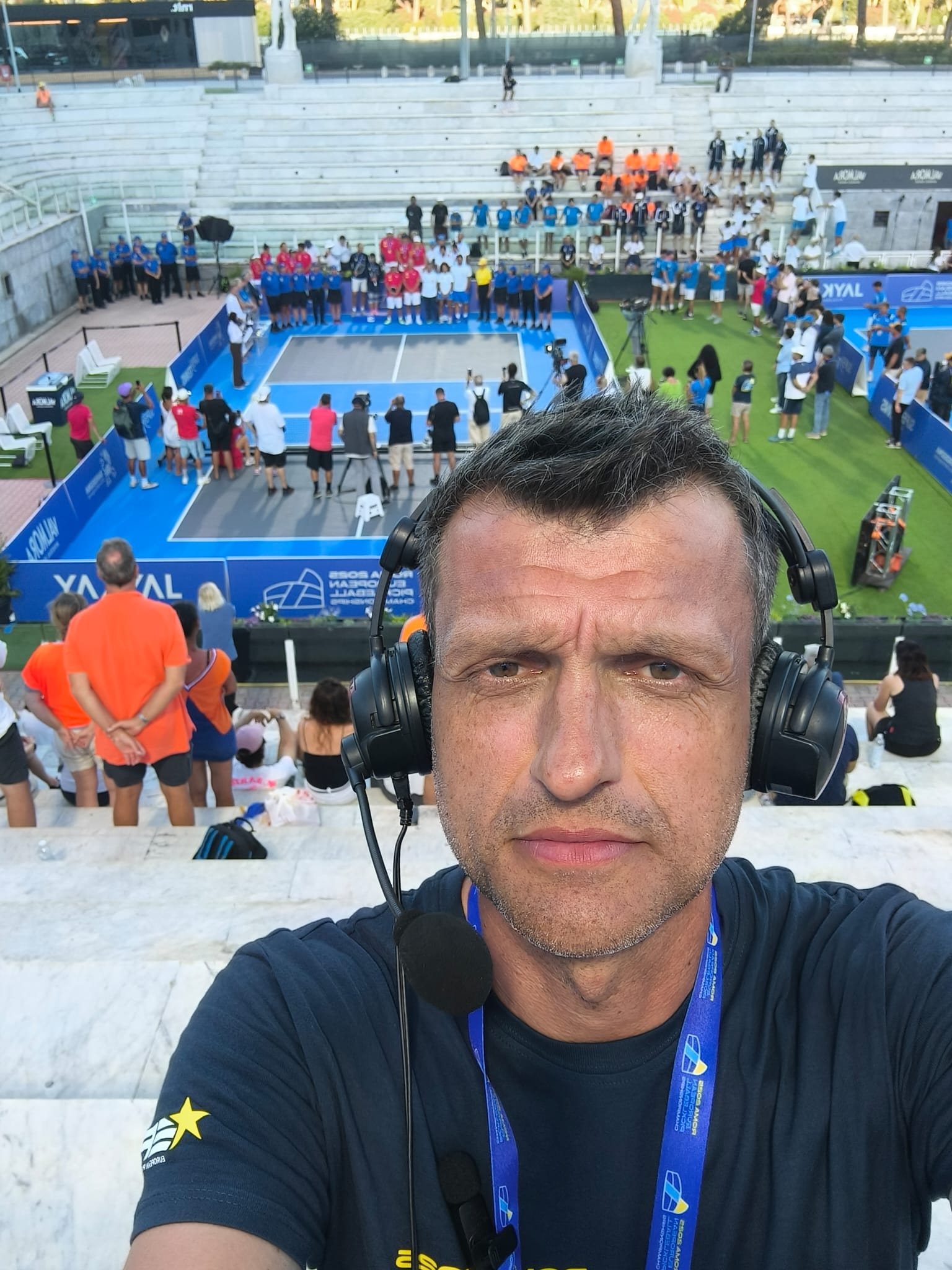
Chris Beaumont is the founder and Editor-in-Chief of World Pickleball Magazine. Chris follows the global game closely, reporting on the latest news, developments, stories and tournaments from all five continents. He also hosts the World Pickleball Podcast, interviewing people at all levels of pickleball. Chris is also an avid player, currently struggling to make the breakthrough from 4.0 to 4.5.