

New Delhi, India
What’s the Score?
The inaugural Indian Pickleball League (IPBL 2025), hosted at the KD Jadhav Indoor Hall, saw the Chennai Super Warriors dominate the opening phase, becoming the first team to qualify for the playoffs after securing four consecutive tie victories. Chennai’s dominance was built on clutch performances by Roos Van Reek and Mitchell Hargreaves, while the rest of the league, particularly Hyderabad Royals and Lucknow Leopards, navigated chaotic, momentum-swinging battles, often ending in dramatic Grand Rallies.
Meanwhile, the unique indoor court conditions emerged as a major factor, dividing players into those who loved the fast surface and those who struggled to adapt to the low, quick bounce.
Hit it Deeper!
Chennai Super Warriors established themselves as the team to beat by showcasing unmatched consistency and powerful team chemistry. On Day 2, they defeated Hyderabad Royals 4–2, overcoming a late deficit in a thriller where Mitchell Hargreaves famously rallied from 11–14 down to win the men’s singles 15–14 against Divyanshu Kataria on a golden point. Roos Van Reek delivered two Player of the Tie performances in consecutive days, including a decisive 15–7 singles win over Megan Fudge. The team philosophy, articulated by Harsh Mehta, prioritised team effort and positive demeanour, which allowed them to pull out close matches.
On Day 3, Chennai maintained their flawless record by dispatching Capital Warriors Gurgaon 5–1. Roos Van Reek proved pivotal again, securing a hard-fought 15–12 singles victory over Australia’s top-ranked player, Emilia Schmidt, emphasizing that her team was determined to “show no mercy on all the other teams”. Chennai closed Day 3 leading the standings with 14 points. They secured their playoff spot on Day 4 by defeating Bengaluru Blasters 4–2.
The mid-table competition was fierce. Hyderabad Royals, buoyed by the leadership and clutch play of Megan Fudge (who won Female Player of the Tie on Day 3 and Day 4), surged into second place with 11 points. On Day 4, Hyderabad staged a crucial comeback against Mumbai Smashers, rallying from an 0–2 deficit, sparked by Fudge’s dominant 15–5 singles victory over Allison Harris, and clinched the win in the Grand Rally 21–17.
The league also highlighted key individual rivalries and emerging talents. The Vietnamese showdown between Mumbai’s Quang Duong and Bengaluru’s Phuc Huynh lived up to its billing, with the established Asia No. 1 Duong defeating Huynh 15–10, despite Huynh fighting hard after a late arrival and early tournament struggles. Duong, making his comeback to top-tier professional pickleball after a turbulent year, demonstrated dominance in singles but struggled in men’s doubles due to limited chemistry with partner Ammol Ramchandani.
Meanwhile, Indian youngsters Arjun Singh (the league’s youngest player at 15) and Rakshikha Ravi sparked Bengaluru Blasters’ first win, edging Mumbai 4–2 on Day 3 via a dramatic 21–20 Grand Rally victory. The Blasters’ management emphasized overcoming pressure and focusing on enjoying the sport to stage a turnaround.
A constant element across all ties was the arena itself. The bespoke indoor court at the KD Jadhav Indoor Hall was both praised and criticised for being “lightning-fast” with a “low bounce”. Players like Ryler DeHeart called it the “best centre court I have ever seen”. The unique mat surface demands tactical adjustments like using deeper bends and favoring the slice shot, forcing international players like Ben Newell and DeHeart to adjust technical aspects like their grip and movement. Conversely, Indian players like Arjun and Aditya Singh felt the indoor conditions provided stability by eliminating wind and ensuring consistent ball bounce and pressure, which they favour for control.
The World Pickleball Verdict
The inaugural IPBL 2025 has instantly positioned itself as a serious global contender by blending high-stakes competition with top-tier production quality, earning praise even from former PPA and MLP stars.
The strategic use of a fast, controlled indoor environment is deliberately differentiates Indian pickleball, demanding rapid technical evolution from international players and playing to the strengths of local talents who excel in hand speed and quick reflexes, possibly influenced by racquet sports like badminton and table tennis.
Chennai’s successful run proves that team chemistry and depth are paramount under the high-pressure, non-stop rally scoring format. The league’s success hinges not just on imported talent like Roos Van Reek and Quang Duong, but on the clutch performances of young Indian stars like Arjun Singh and Rakshikha Ravi, demonstrating that the IPBL is rapidly establishing India as a critical hub for the sport’s professional future.
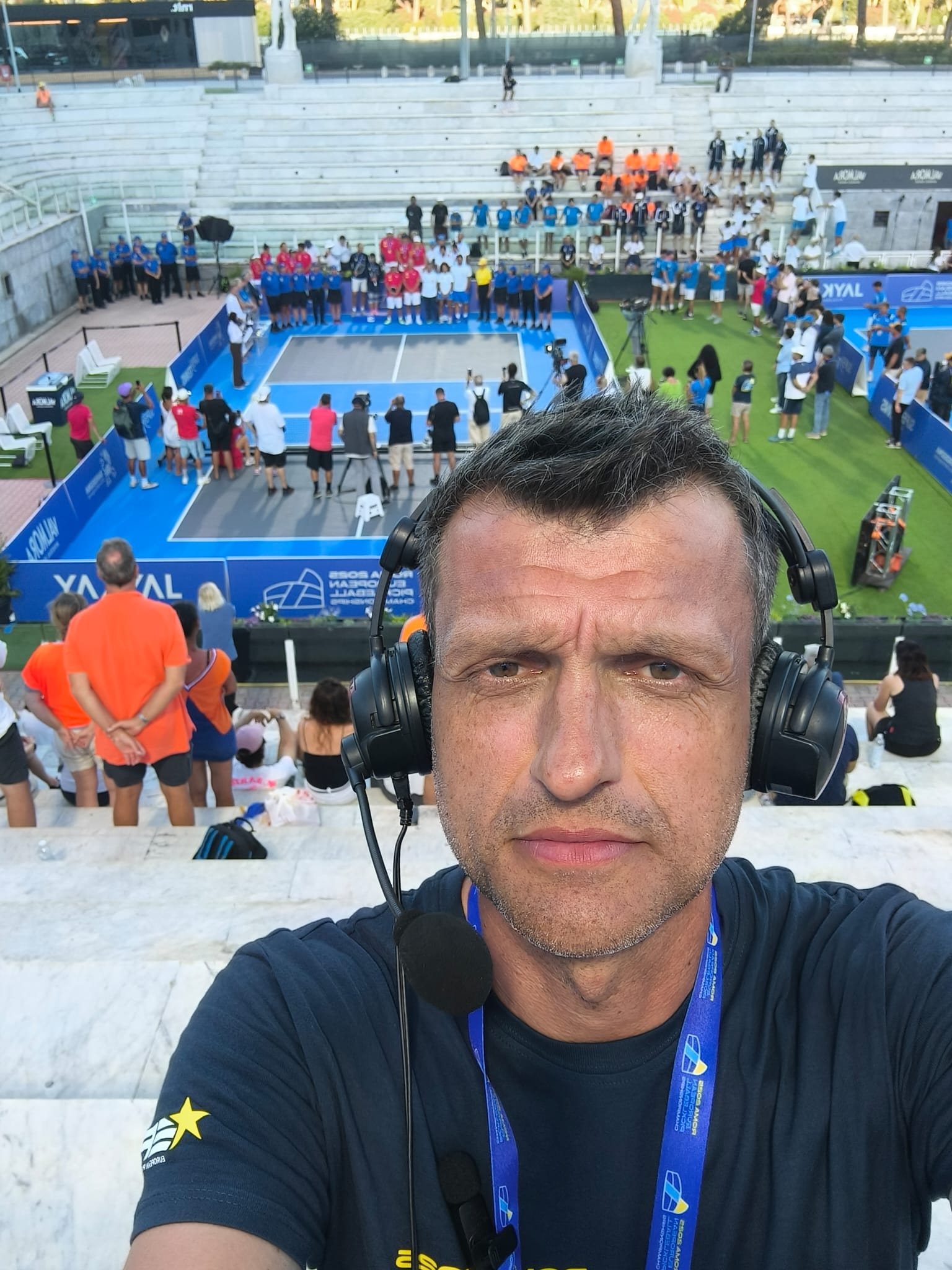
Chris Beaumont is the founder and Editor-in-Chief of World Pickleball Magazine. Chris follows the global game closely, reporting on the latest news, developments, stories and tournaments from all five continents. He also hosts the World Pickleball Podcast, interviewing people at all levels of pickleball. Chris is also an avid player, currently struggling to make the breakthrough from 4.0 to 4.5.