
BY LLOYD ATTRILL, THE GEAR GURU @ The Pickleball Store
For years, pickleball sponsorships followed a familiar script: paddle companies signed players, players won matches, and recreational players like me copied their gear choices. Effective, but contained to a small industry rather than a commercial juggernaut.
That script, as we enter 2026, is being completely rewritten.
From Niche Pro to Mainstream Star
No single move captures this transition better than Anna Leigh Waters. The world number 1 and arguably the most dominant player in the game recently ended her long-standing Paddletek contract to sign a major Nike apparel and footwear deal, plus a new paddle sponsorship with Franklin Sports.
That shift matters far beyond logos on clothing. Nike doesn’t just sign athletes to live inside niche categories, it signs athletes it believes can transcend their sport and sit alongside icons from tennis, basketball, and football. By aligning with Nike, Anna Leigh is no longer positioned as simply a pickleball champion; she’s being marketed as a recognised mainstream global athlete.
This is pickleball’s Serena Williams moment, maybe not in scale yet, but certainly in intent.
Paddle Wars
While Anna Leigh’s Nike deal may have grabbed headlines, the entire pickleball market has been heating up. Multiple top pros have switched or are preparing to switch sponsors for 2026. Chris Haworth moved from Babolat to Luzz, Pei Chuan Kao from ProXR to Luzz, Blaine Hovenier signed with Six Zero, and Gabe Tardio exited PIKKL for the up-and-coming Asian brand Facolos.
These moves reflect real bidding wars among paddle companies looking to lock up credibility and visibility in an increasingly crowded marketplace. In pickleball, paddles aren’t just equipment, they’re identity markers. When a top pro switches brands, it can swing a brand’s sales overnight. That leverage is now being priced into decisions.
The Blockbuster Deals
However brands are taking different approaches to the sponsorship “gold rush”. Selkirk has doubled down on exclusivity, signing just one male and one female pro, Jack Sock and Catherine Parenteau. Whilst content-first brand Friday Pickleball has joined the charge snapping up talent like Rachel Rohrabacher and content creator Kyle Koszuta (That Pickleball Guy).
But two sponsorships sit at the centre of pickleball’s commercial universe: Anna Leigh Waters and Ben Johns with JOOLA.
Just like Anna Leigh, Ben Johns’ relationship with JOOLA plays a similar role on the men’s side. JOOLA has built its entire pickleball ecosystem around Ben Johns as its centrepiece, and his sustained excellence has effectively locked a massive share of serious and competitive players into that brand. It’s not just endorsement—it’s market capture.
Together, these anchor deals provide stability at the top whilst raising the stakes for everyone else.
When the Money Starts Looking Real
Whilst exact figures remain private, all you need to do is take a look at the brands now entering the market to tell the story: Nike, Skechers and Lacoste on the footwear front, Coca Cola attaching themselves to tours and top players. These aren’t experimental £10,000 partnerships, they’re strategic marketing investments. Seeing the growth of pickleball and diving in headfirst.
“Enormous” in Context
Compared to global sports, pickleball endorsement numbers are still small. No one’s signing nine-figure deals – yet (that we know off). But within pickleball, these sponsorships are enormous.
They enable full-time careers. They pay for coaches, physios, travel teams, and professional content production. And perhaps most importantly, they directly influence what equipment dominates public courts across the country. When a top pro commits to a paddle or shoe, thousands of recreational players like you and I follow.
The Bigger Picture
High-profile sponsorships change how the sport itself is perceived. Big crossovers like Nike into Pickleball push the sport out of the “fun hobby” category and into the legitimate sport zone. That shift justifies television coverage, better venues, and higher prize money.
Pickleball sponsorships are no longer about logos on clothing and paddles. They’re about market influence, lifestyle branding, and long term positioning in a sport still defining itself. What feels “enormous” today may look modest in five years—but right now, these deals are turning belief into business.
And it’s only getting bigger. Watch this space.
If you enjoyed this article, you can download the whole beautifully designed magazine here.
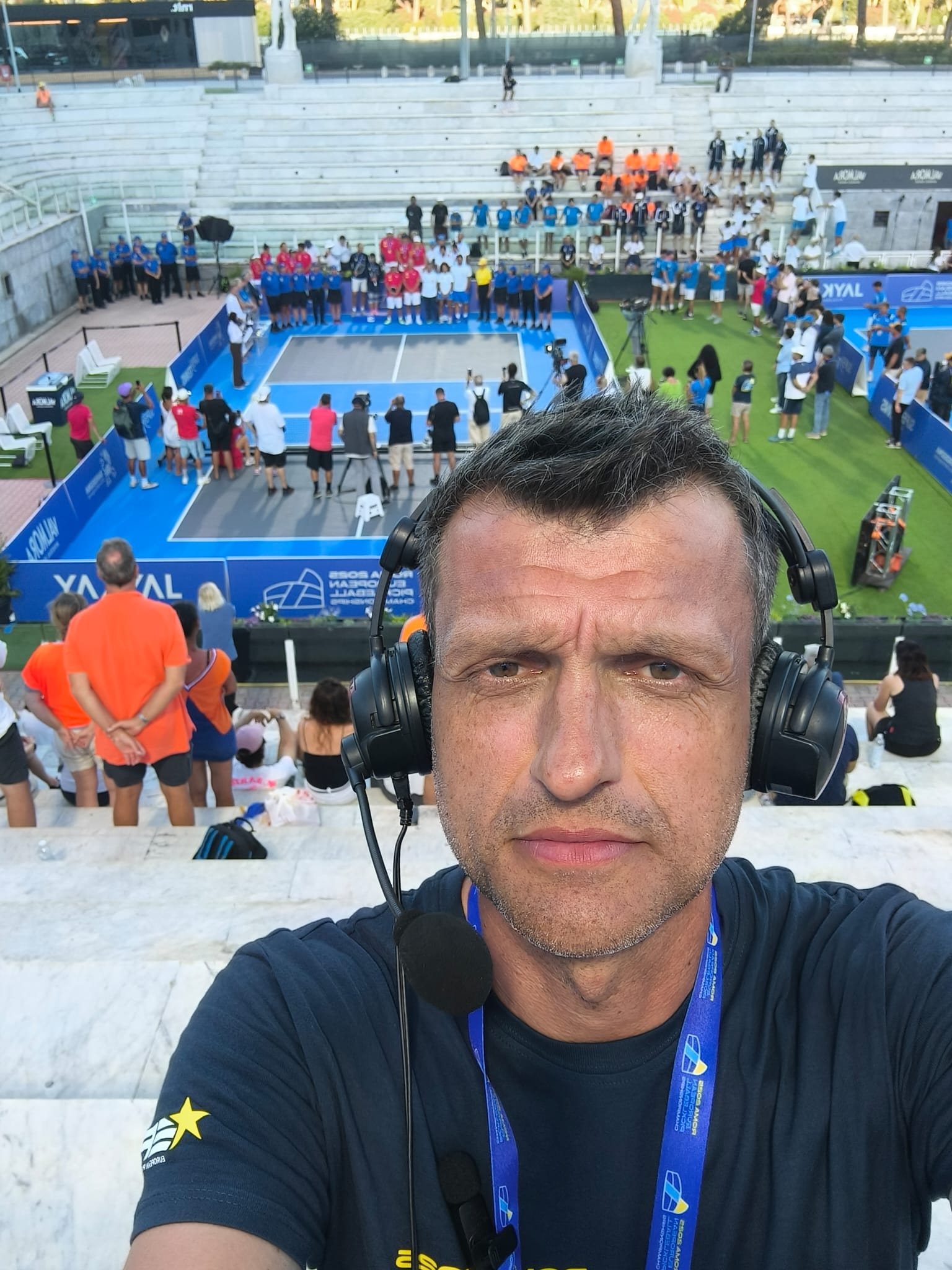
Chris Beaumont is the founder and Editor-in-Chief of World Pickleball Magazine. Chris follows the global game closely, reporting on the latest news, developments, stories and tournaments from all five continents. He also hosts the World Pickleball Podcast, interviewing people at all levels of pickleball. Chris is also an avid player, currently struggling to make the breakthrough from 4.0 to 4.5.