
by Lee Whitwell
When we were kids, play was our default setting.
We ran, climbed, chased, laughed until we couldn’t breathe. We begged for five more minutes before the streetlights came on.
Then life happened.
We grew up. Got degrees. Got jobs. Got mortgages. Got responsible.
Somewhere along the way… play quietly packed up and left.
And the strangest part?
None of us noticed when it did.
Then came pickleball.
And suddenly… we’re playing again.
At its core, pickleball presses every button we didn’t realise we’d been missing.
Movement. Connection. Challenge. All wrapped in laughter and plastic wiffle-ball chaos.
You get a dopamine hit when you win a point. A serotonin lift when you laugh with your partner.
And something deeper than both.
Belonging.
Maslow had it right. Once survival is covered, what we really want is connection. To feel seen. To feel part of something.
Pickleball delivers that without trying too hard.
It’s not just a sport.
It’s a social ecosystem.
Strangers become partners. Partners become friends. Friends become the people you text first when you want a game.
It’s our adult version of recess.
Just with better outfits… and usually a drink afterwards.
And here’s the part no one really saw coming.
Pickleball has a way of flattening everything.
Different ages. Different backgrounds. Different worlds.
All on the same court.
No titles. No hierarchy.
Just paddles, laughter, and the occasional questionable line call.
It’s one of the few places left where connection beats comparison.
That’s what we’re addicted to.
Not just the game.
What the game gives us.
Your circle gets bigger, not smaller.
Games turn into coffee. Coffee turns into drinks. Drinks turn into friendships that didn’t exist six months ago.
Half your phone contacts now have “pickleball” next to their name.
And somehow, that feels completely normal.
Pickleball didn’t just give us a sport.
It gave us permission to play again.
But this is where things start to shift.
Because while players understood this immediately…
A lot of clubs didn’t.
You can feel it in the industry right now.
The quiet question that keeps coming up:
Why are so many pickleball clubs suddenly up for sale?
A year ago, it looked simple.
Build courts. Open doors. People will come.
And they did.
But they didn’t always stay.
Because too many clubs built facilities.
And not enough built community.
Pickleball isn’t just a sport.
It’s a third space.
A place outside of home and work where people actually want to be.
And if you don’t build it that way, you’re left with exactly what it looks like:
Four walls. Painted lines. Empty gaps between games.
The game itself was never the magic.
It’s everything around it.
The conversations before you play. The laughs after. The feeling that you belong somewhere without needing a reason.
That’s the real product.
And this is what gets missed.
If people don’t have a place to stay after they play… they leave.
If programming doesn’t fit their lives… they drift.
If they don’t feel seen… they don’t come back.
The best clubs understand this.
They are not just places to play.
They are places to be.
They create space.
Space to sit. Space to talk. Space to stay longer than planned.
Because community doesn’t happen mid-rally.
It happens around it.
Programming matters more than people think.
Your community is the heartbeat of your facility.
And like anything with a heartbeat… it needs attention.
It needs intention.
It needs care.
This is where most clubs got it wrong.
They relied on demand.
Instead of designing experience.
Open play isn’t a strategy.
Leagues aren’t culture.
More courts don’t fix a lack of connection.
If your core audience is women 40+, your programming should reflect their lives, not just their rating.
If beginners feel intimidated, they won’t return.
If better players stop improving, they’ll go elsewhere.
People don’t stay where they don’t feel seen.
That’s the difference.
Between a busy club…
And a lasting one.
Pickleball will always bring people in.
But community is what keeps them there.
So the real question isn’t whether pickleball is still booming.
It’s this:
Are you building a place to play…
or a place people don’t want to leave?
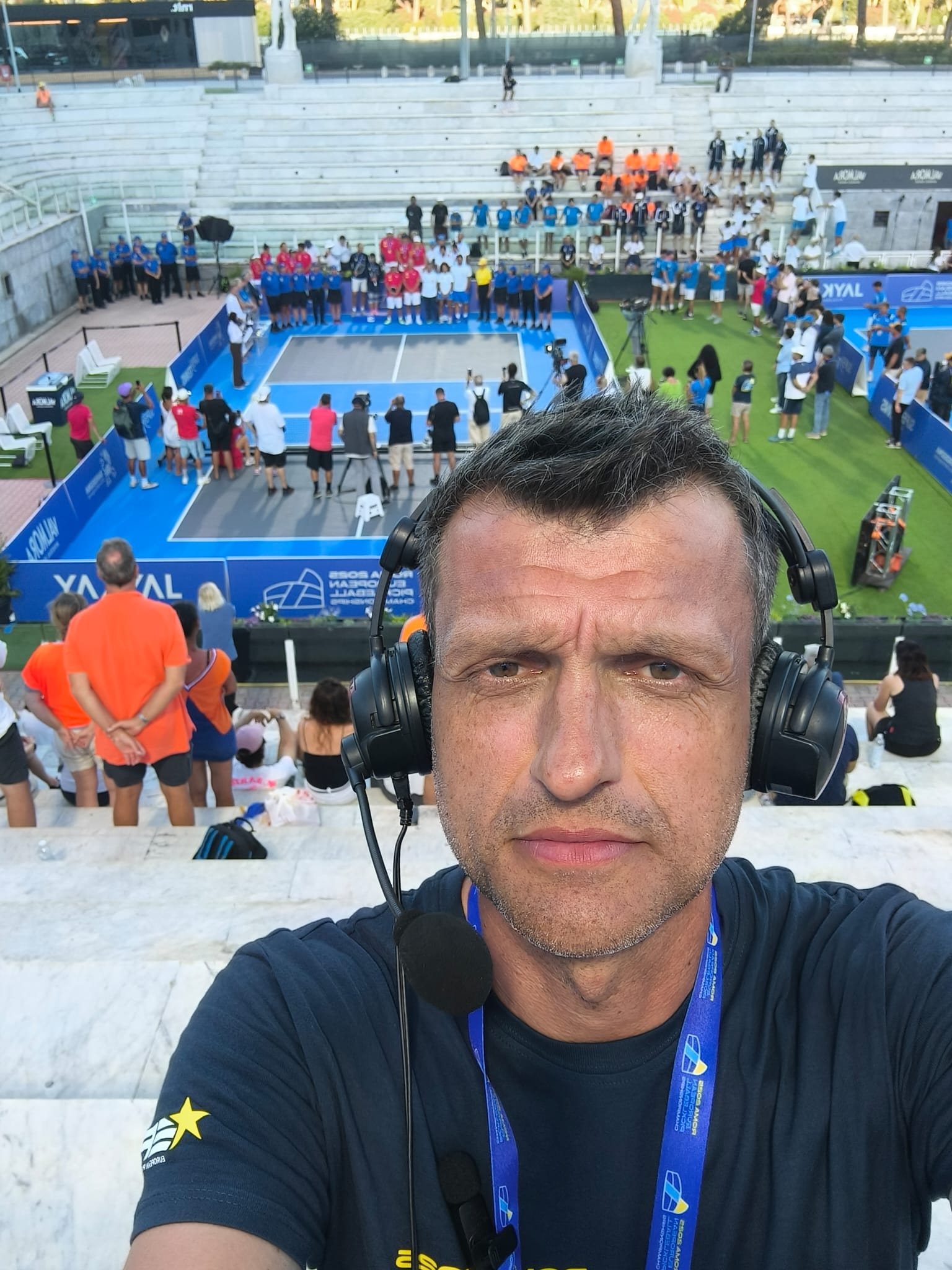
Chris Beaumont is the founder and Editor-in-Chief of World Pickleball Magazine. Chris follows the global game closely, reporting on the latest news, developments, stories and tournaments from all five continents. He also hosts the World Pickleball Podcast, interviewing people at all levels of pickleball. Chris is also an avid player, currently struggling to make the breakthrough from 4.0 to 4.5.