

The tournament structure carefully delineated competitors into four distinct skill-based divisions, accommodating a wide spectrum of technical proficiency while maintaining high-intensity bracket integrity. Categories were strictly segmented into 18.5-, 15.3+, 15.0-, and 12.0+ classifications, ensuring that matches remained consistently balanced throughout the gruelling schedule. This precise divisional architecture allowed both developing local talent and highly seasoned regional competitors to engage in meaningful, high-stakes rallies without suffering from severe skill mismatches.
By successfully executing an event with such immense logistical density and match volume, the London-based management team has clearly demonstrated the accelerating capacity of the United Kingdom to host large-scale, structurally complex tournaments. The overwhelming player support for the initiative underscores a robust, burgeoning appetite for structured, formalised competition within the European theatre. For broader context on the continent’s growth, see our Europe pickleball coverage and ongoing tournament reporting.
The highest tier of competition, the 18.5- division, showcased elite tactical execution and sustained physical endurance, with the squad ‘My pickle pony’ ultimately securing the gold medal after an arduous 21-game campaign. They were closely pursued by the silver medalists, ‘Tony’s lobsters,’ and the bronze-winning collective, ‘No Payne no gain,’ highlighting a fiercely contested podium where final placements were dictated by fractional margins of error in the later rounds. The volume of play inherently tested not only the athletes’ shot mechanics but their psychological resilience under sustained physical fatigue.
In the highly competitive 15.3+ bracket, the ‘Saffron drop shot divas’ emerged victorious, claiming gold through consistent court positioning and superior transition-zone defence. They outpaced the formidable ‘Apex pickleball’ team, who took silver, and the ‘Harimau Falcons,’ who earned a respectable bronze. The results in this division point to a rapidly deepening talent pool across the region, where intermediate-to-advanced athletes are executing sophisticated offensive strategies that were previously reserved only for top-tier professionals.
The 15.0- division provided equally compelling narratives, culminating with the ‘Farnham Flames’ standing atop the podium to receive the gold medal. The silver was claimed by the strategically sound ‘Santa Barbara Blues,’ while ‘The Real Dill’ rounded out the top three with a hard-earned bronze. The diversity of the team names and the tight competitive margins suggest a healthy, vibrant club culture is taking deep root across the British landscape, blending competitive intensity with regional camaraderie.
In the developmental 12.0+ category, which serves as a critical entry point for newer competitive athletes, ‘Don’t dink then drive’ secured the gold medal position. They were joined on the podium by the silver-medal winning ‘Pink panthers’ and the bronze-earning ‘Wealden Reapers’. Providing an organised, high-volume environment for this specific skill classification is an essential strategy for long-term player retention, allowing newer competitors to acclimatise to tournament pressures in a supportive, deeply structured environment.
What’s the Score?
The execution of a 21-game, team-based endurance format at the Cambridge International Team Tournament effectively establishes a new logistical benchmark for grassroots competition in the United Kingdom. By emphasising collective squad performance over individual doubles partnerships, the event successfully cultivated a deeply entrenched club culture, proving that high-volume team formats are a highly viable and commercially engaging model for the European market. Follow the wider competitive picture via our pickleball news desk.
Hit it Deeper!
The strategic reliance on team-based tournament architectures represents a significant philosophical divergence in how the sport is being cultivated in Europe compared to the highly individualised, pro-centric circuits dominating North America. Team formats inherently demand a broader base of athletic participation, requiring clubs to develop depth across multiple skill levels rather than relying on a single dominant pairing to secure event prestige. This structural requirement forces regional clubs to invest heavily in comprehensive coaching, internal leagues, and developmental pipelines, ultimately creating a much more resilient and sustainable domestic sporting ecosystem.
Furthermore, the physical demands of a two-day, seven-round tournament featuring 21 individual games per team cannot be understated. This level of sustained competition completely alters the tactical landscape of the sport. Athletes must move away from high-risk, energy-intensive offensive barrages and instead adopt highly efficient, low-error styles of play, prioritising strategic court positioning and energy conservation. Tournaments of this magnitude rapidly accelerate the tactical maturity of the domestic player base, forcing competitors to learn how to actively manage physical fatigue, adapt to shifting environmental conditions, and adjust to the distinct playing styles of numerous different opponents in rapid succession.
The decision to anchor this massive logistical undertaking to the memory of a local founder, Peter Stoehr, also speaks to the importance of institutional heritage in emerging athletic markets. Establishing legacy events with strong emotional ties to the regional community generates fierce brand loyalty and ensures consistent year-over-year registration figures. As international federations look to formalise the European circuit, successful, high-capacity independent events like The Stoehr Cup will inevitably serve as the foundational cornerstones for future national and continental championship series.
The World Pickleball Magazine Verdict
The Cambridge International Team Tournament has definitively proven that the United Kingdom possesses both the administrative capability and the athlete density required to sustain brutal, high-volume competitive formats. The success of The Stoehr Cup demonstrates that the future of European pickleball lies in the cultivation of deep, community-driven club structures capable of fielding robust squads. This team-first methodology will undoubtedly accelerate the region’s overall technical proficiency and global competitive standing.
Further Reading
- Latest global pickleball news
- Tournament coverage, results, and previews
- European pickleball growth and regional reporting
- Global development, federations, and participation growth
Stay Ahead of the Global Game. Sign up for the weekly World Pickleball Report newsletter for elite analysis, global results, and tour intelligence.
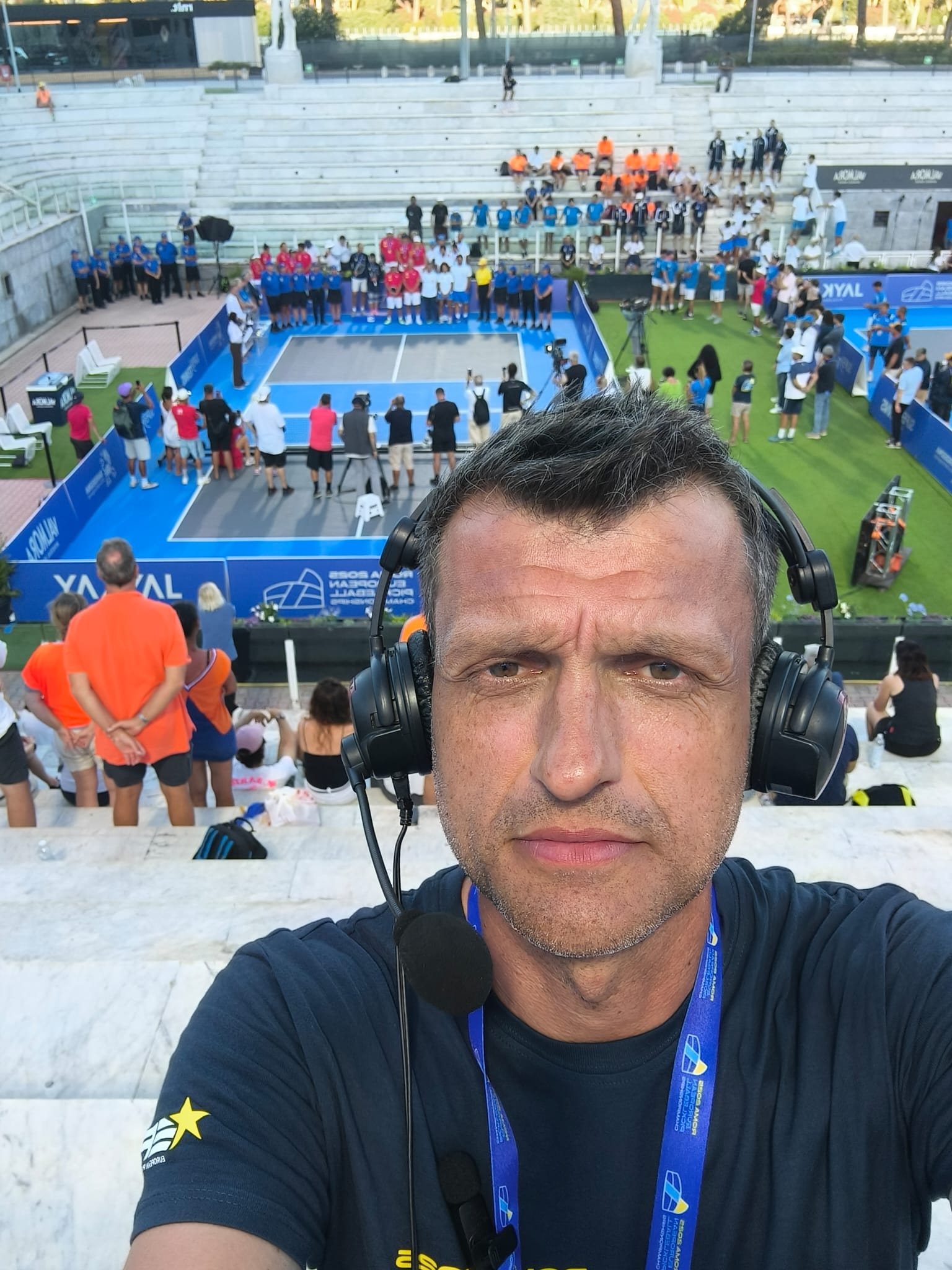
Chris Beaumont is the founder and Editor-in-Chief of World Pickleball Magazine. Chris follows the global game closely, reporting on the latest news, developments, stories and tournaments from all five continents. He also hosts the World Pickleball Podcast, interviewing people at all levels of pickleball. Chris is also an avid player, currently struggling to make the breakthrough from 4.0 to 4.5.